You do not need a heavy stand mixer or advanced pastry skills to bake a stunning dessert that tastes like summer in every single bite.

This Peach Cake with Brown Sugar Frosting is the answer for anyone who wants the flavor of a classic cobbler without the fuss of a pie crust. It uses a clever pantry shortcut to keep things light and fluffy, ensuring you spend less time cleaning and more time enjoying. Whether it is a Tuesday night treat or a weekend potluck, this cake fits into your life without any added stress. You will find that the texture is surprisingly rich, mimicking a high-end bakery loaf while remaining completely approachable for a beginner.
Why This Peach Cake with Brown Sugar Frosting Is a Keeper
Prep: 15 min · Serves: 16 · Difficulty: Easy
- Uses one mixing bowl for minimal cleanup during baking.
- Features basic pantry staples you likely already have.
- Creates a soft texture that stays moist for days.
- Requires no technical decorating or piping bag skills.
- Delivers deep caramel notes from the boiled frosting.
You might think this sounds like a peach dump cake but the texture is much more refined and elegant for guests.
This recipe proves that simple can be spectacular with almost zero effort required from you.
Get The Full Cake Recipe
Print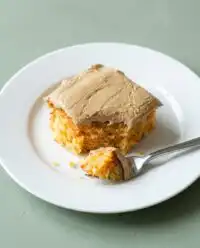
Peach Cake with Brown Sugar Frosting
- Total Time: 1 hour
- Yield: 16 servings
Description
Experience the taste of summer with this moist, peach-infused sheet cake topped with a decadent, fudge-like brown sugar glaze. This approachable recipe uses simple pantry staples to deliver bakery-quality flavor without any complicated techniques or equipment.
Ingredients
- 1 box Yellow cake mix
- 2 packages Peach gelatin
- 4 large Eggs
- 1/2 cup Vegetable oil
- 1 teaspoon Vanilla extract
- 2 cups Fresh or frozen peaches, peeled and sliced
- 1 cup Brown sugar
- 1/4 cup Heavy cream
- 1/2 cup Unsalted butter
- 1 pinch Salt
Instructions
- Preheat your oven. Preheat the oven to 350°F and grease a 9×13-inch baking dish.
- Mix dry ingredients. Combine the yellow cake mix and peach gelatin in a large bowl, whisking to break up any clumps.
- Add wet ingredients. Beat in the four eggs, vegetable oil, and vanilla extract until smooth, then gently fold in the sliced peaches.
- Bake the cake. Pour the batter into the prepared dish and bake for 40 to 45 minutes until a toothpick comes out clean.
- Cool the cake. Set the cake on a wire rack to cool completely to ensure the frosting sets properly.
- Boil the frosting. Combine brown sugar, heavy cream, and butter in a saucepan, bringing to a boil for one minute while stirring constantly.
- Cool the glaze. Remove from heat and stir in vanilla and salt, using an ice bath if needed to reach a thick, spreadable consistency.
- Frost and serve. Beat the cooled frosting for four to five minutes until airy, spread over the cake, and let set for ten minutes before slicing.
Notes
- Ensure the cake is fully cooled to room temperature before applying the frosting to prevent it from melting or soaking into the sponge.
- Use a heavy-bottomed saucepan to prevent the sugar from scorching, which ensures a smooth, professional caramel flavor.
- If the frosting sets too firm before spreading, whisk in a tiny splash of warm heavy cream to regain a smooth texture.
- Using room temperature eggs will help the batter emulsify more effectively, resulting in a lighter and more uniform crumb.
- Prep Time: 15 mins
- Cook Time: 45 mins
- Category: Dessert
- Method: Baking
- Cuisine: American
Pantry Lineup
Selecting the right items makes the difference between a good dessert and one people ask for every year. This list focuses on high-impact flavor with very little prep work involved for the baker.
- Yellow Cake Mix: This serves as our reliable base, providing the structure and sweetness without measuring out flour and leavening.
- Peach Gelatin: Adding two packages of jello provides a concentrated fruit punch and a beautiful sunset hue to the batter.
- Vegetable Oil: Using oil instead of butter keeps the crumb incredibly tender even after the cake has cooled completely.
- Fresh or Frozen Peaches: These provide bursts of real fruit texture that balance the sweetness of the surrounding cake and frosting.
- Brown Sugar: The star of the frosting, this provides a deep molasses flavor that standard powdered sugar simply cannot match.
- Heavy Cream: This is essential for the frosting to achieve that fudge-like consistency that sets up firmly but remains soft to the bite.
| Ingredient | Why It Matters |
|---|---|
| Peach Jello | Provides intense flavor and a soft, moist texture to the crumb |
| Large Eggs | Acts as the binder to ensure the cake slices cleanly without crumbling |
| Brown Sugar | Creates a rich, caramel-like topping that hardens into a sweet glaze |
| Vanilla Extract | Rounds out the sweetness and brings out the floral notes of the peaches |
| Unsalted Butter | Gives the frosting a creamy mouthfeel and a glossy, professional finish |
The Easy Method
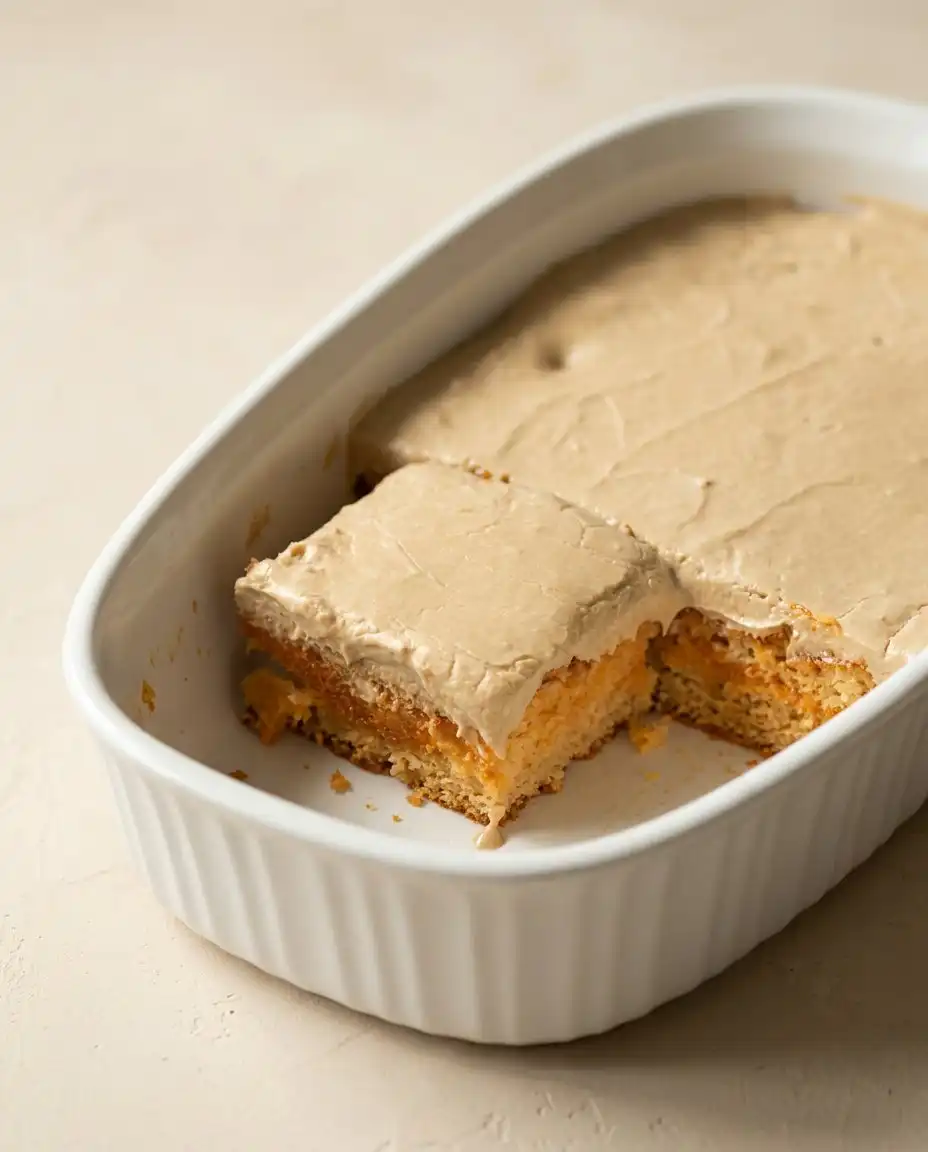
Step 1: Prep Your Kitchen Space
Start by preheating your oven to 350° F so it is ready the moment your batter is mixed. Take a 9×13-inch baking dish and lightly grease it with butter or a quick spray of non-stick coating to prevent any sticking. Having your peaches peeled and sliced before you start the batter ensures the fruit does not brown while you work.
Step 2: Mix the Base Batter
Grab your largest mixing bowl and combine the dry cake mix with the two packages of peach gelatin. Whisk them together briefly to break up any large clumps of jello powder before adding the wet ingredients. This ensures the color and flavor are distributed evenly throughout the entire cake once it begins to bake.
Step 3: Bake Your Peach Cake with Brown Sugar Frosting
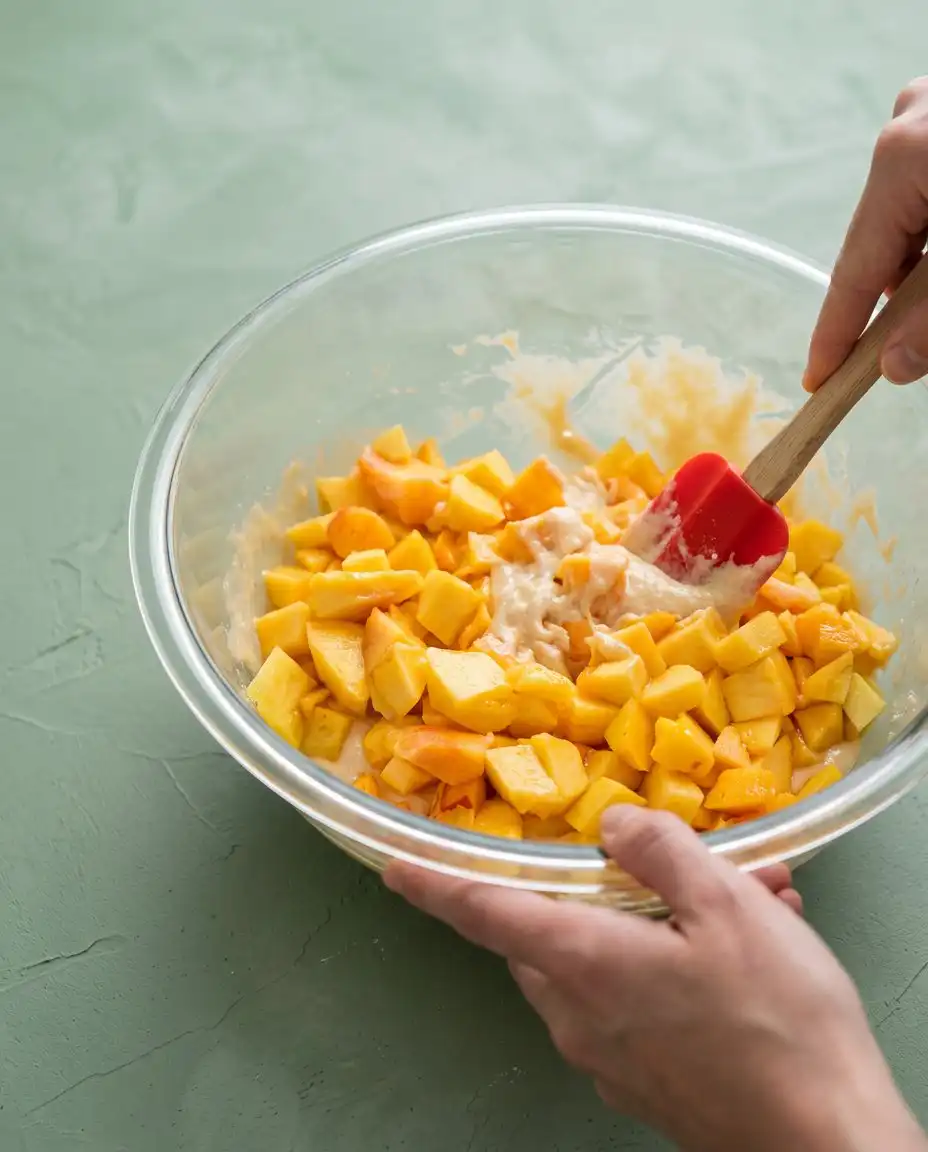
Add the four large eggs, the vegetable oil, and the vanilla extract directly into the dry mixture. Beat everything together with a whisk or a hand mixer until the batter looks smooth and a bright, cheerful orange color. Gently fold in your sliced peaches using a spatula so they stay intact rather than being shredded by the beaters.
Step 4: Into the Oven
Pour the thick batter into your prepared baking dish and smooth the top with your spatula so it bakes evenly. Place it on the middle rack of the oven and bake for 40 to 45 minutes until the edges pull away slightly. You will know it is done when a toothpick inserted into the center comes out clean and the kitchen smells like a summer orchard.
Step 5: Cool the Cake Completely
Remove the pan from the oven and set it on a wire rack to cool down while you prepare the topping. It is vital that the cake is completely cool before you add the frosting, otherwise the heat will melt the sugar glaze. This waiting period is the hardest part, but it ensures the frosting stays on top rather than soaking into the bread.
Step 6: Boil the Brown Sugar Frosting
In a medium saucepan, stir together the brown sugar, heavy cream, and the stick of unsalted butter over medium-high heat. Bring the mixture to a rolling boil and let it cook for exactly one minute while stirring constantly to prevent burning. Remove the pan from the heat immediately and stir in the vanilla extract and a pinch of salt to balance the richness.
Step 7: The Ice Bath Technique
If you want the frosting to thicken quickly, place the bottom of your saucepan into a larger bowl filled with ice water. Stir the warm glaze continuously, being careful not to let any water splash into the sugar mixture as it cools. You will see the frosting transform from a thin liquid into a thick, spreadable consistency in just a few minutes.
Step 8: Beat and Spread
Once the frosting has cooled down significantly, use a hand mixer to beat it for four to five minutes until it becomes light and airy. It should look like a soft fudge and hold its shape when you lift the beaters out of the pot. Spread the frosting over the cooled cake in an even layer and let it set for ten minutes before slicing.
Easy-Baker Notes
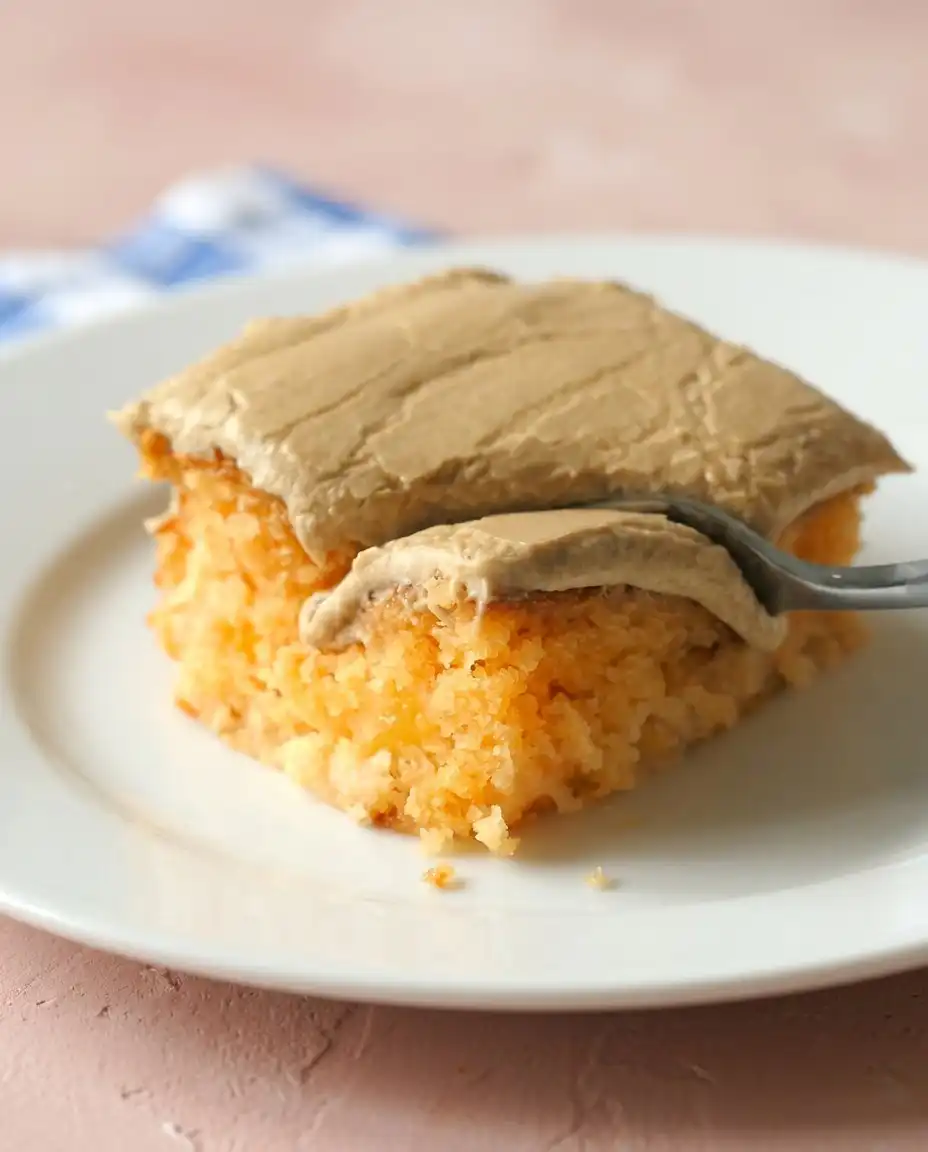
When you are working with fruit-heavy batters, the moisture content can vary depending on the season. If you find your batter looks too thin, you can add a tablespoon of flour to help the fruit stay suspended rather than sinking to the bottom. This small adjustment helps maintain a beautiful distribution of peaches in every single slice you serve to your family.
If your frosting becomes too hard to spread before you get it on the cake, it means the sugar cooked a few seconds too long. You can easily fix this by adding a teaspoon of warm heavy cream and whisking vigorously until it softens back up to a spreadable state. This little trick saves you from having to start the boiling process all over again from the beginning.
Always use room temperature eggs when baking to ensure they emulsify properly with the vegetable oil and cake mix. Cold eggs can sometimes cause the oil to clump, leading to an uneven texture in the finished crumb that feels slightly oily. Taking the eggs out of the fridge twenty minutes before you start makes a world of difference in the final rise of the cake.
For those who enjoy a more rustic texture, leaving the skins on the peaches adds a bit of color and fiber to the dessert. This is a great shortcut if you are in a rush and do not want to spend time blanching and peeling several pieces of fruit. You might want to check out this russian peach cake recipe if you enjoy experimenting with different fruit textures in your kitchen.
Understanding the science of balancing fruit and sugar in a cake can help you adjust this recipe if your peaches are particularly tart or overripe. A little extra pinch of salt in the frosting can help cut through the sweetness if your fruit is at the peak of its sugar content. This balance is what makes a simple sheet cake taste like it came from a professional pastry chef.
Make sure to use a heavy-bottomed saucepan when boiling your brown sugar and cream to avoid hot spots. Thin pans can cause the sugar to scorch at the bottom before the rest of the mixture reaches a boil, which ruins the flavor. A thick pot distributes heat more evenly, giving you that smooth, caramel-like finish every single time without the risk of a burnt aftertaste.
Store your finished cake at room temperature in an airtight container to keep the frosting from cracking. Putting it in the refrigerator can cause the brown sugar glaze to draw in moisture, which makes the top feel sticky rather than fudge-like. A simple plastic wrap or a fitted lid on your baking dish will keep everything fresh for at least three days on the counter.
Frequently Asked Questions
Can I use fresh, canned, or frozen peaches?
You can use all three types of peaches for this recipe with great success. If you use canned peaches, make sure to drain them thoroughly and pat them dry so they do not add too much extra liquid to the batter. For frozen peaches, do not thaw them before adding to the bowl to keep them from becoming mushy during the baking process.
Why did my cake sink in the middle?
A cake often sinks if the oven door is opened too early or if the center is not fully baked through. The extra moisture from the peaches makes it heavier than a standard cake, so it needs the full baking time to set its structure. Ensure your oven is properly calibrated and use a toothpick to check for doneness before removing it from the heat.
My brown sugar frosting got hard and crackled. What happened?
This usually occurs if the frosting was boiled for longer than one minute or if it was not beaten long enough during the cooling phase. The sugar crystals can bond together too tightly, creating a brittle texture rather than a creamy one. To avoid this, keep a close eye on the timer and ensure you beat the mixture until it is noticeably fluffy and light.
How should I store this cake?
This cake stores beautifully at room temperature for up to three days when kept in an airtight container or covered tightly with plastic wrap. Avoid the refrigerator if possible, as the cold air can dry out the crumb and make the frosting lose its smooth texture. If you must keep it longer, you can freeze individual slices wrapped in foil for up to one month.
Can I use a different frosting?
While the brown sugar frosting is a signature part of this recipe, a simple vanilla buttercream or a cream cheese frosting would also taste delicious. The peach flavor in the cake is versatile enough to pair with many different toppings depending on your personal preference. If you want something lighter, a dusting of powdered sugar and a dollop of whipped cream works well too.
Can I bake this in a different pan?
Yes, you can bake this batter in two round cake pans or a bundt pan, though the baking time will need to be adjusted. For round pans, start checking for doneness around 25 to 30 minutes, while a bundt pan may take closer to 50 minutes. Always grease the pan thoroughly, especially if using a bundt pan with intricate designs, to ensure the cake releases cleanly.
Simple Swaps
You can easily transform this recipe into a spiced autumn treat by adding a teaspoon of ground cinnamon to the batter. The warmth of the cinnamon pairs beautifully with the brown sugar frosting and gives the peach flavor a cozy, comforting edge. This variation is particularly good during the transition months when you still have late-summer fruit but crave winter spices.
If you prefer a different look, you can try making a peach upside down cake recipe using these same basic ingredients for the batter. Instead of mixing the fruit in, you would layer the peaches at the bottom of the pan with a bit of melted butter and brown sugar. This creates a caramelized fruit topping that looks stunning on a cake stand without needing any extra frosting at all.
Adding toasted pecans or walnuts to the frosting provides a satisfying crunch that contrasts with the soft, tender cake. Simply fold half a cup of chopped nuts into the frosting during the final beating stage before you spread it over the cake. This addition mimics the flavors of a southern praline and makes the dessert feel even more special for a holiday gathering or a birthday.
Slice & Serve
This cake is best served at room temperature, which allows the flavors of the peach gelatin and brown sugar to really shine. If you want to make it feel more like a traditional plated dessert, serve each slice with a generous scoop of vanilla bean ice cream. The cold cream melting into the soft cake creates a wonderful contrast that reminds everyone of a warm summer cobbler.
For a lighter option, a dollop of unsweetened whipped cream and a few sprigs of fresh mint can make the plate look beautiful. This is an excellent choice for a garden party or a summer brunch where you want the presentation to feel fresh and airy. You might also find inspiration in this ina garten peach cake for more formal ways to present fruit-based desserts to your guests.
Pairing this cake with a hot cup of coffee or a tall glass of iced tea makes it the ultimate afternoon treat. The tannins in the tea or the bitterness of the coffee help to cut through the rich sweetness of the boiled frosting. It is the kind of cake that sits perfectly on a countertop, inviting anyone who passes by to cut off just one more little sliver throughout the day.
The Wrap-Up
Baking does not have to be a complicated production that takes up your entire afternoon. This recipe is designed for the person who wants a reliable, delicious result without having to learn complex techniques or buy specialty equipment. By using a few clever shortcuts, you can create a dessert that tastes like it was made from scratch with hours of labor.
I hope this peach cake becomes a staple in your kitchen for those times when you need a quick win. It is the perfect reminder that simple ingredients and honest flavors are often the most satisfying in the end. Whether you are baking for a special occasion or just a quiet night at home, this recipe will never let you down.
Please share your baking results with me and let me know how your family enjoyed this summer treat. You can find more easy inspiration and community on our social channels below: