Imagine a classic southern staple where you hold the power to nudge the flavor profile slightly with a tiny drop of floral extract or a toastier nut choice.

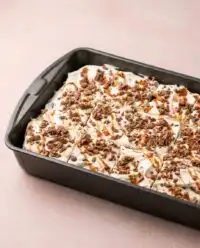
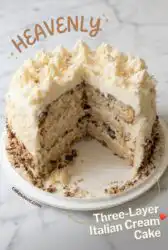
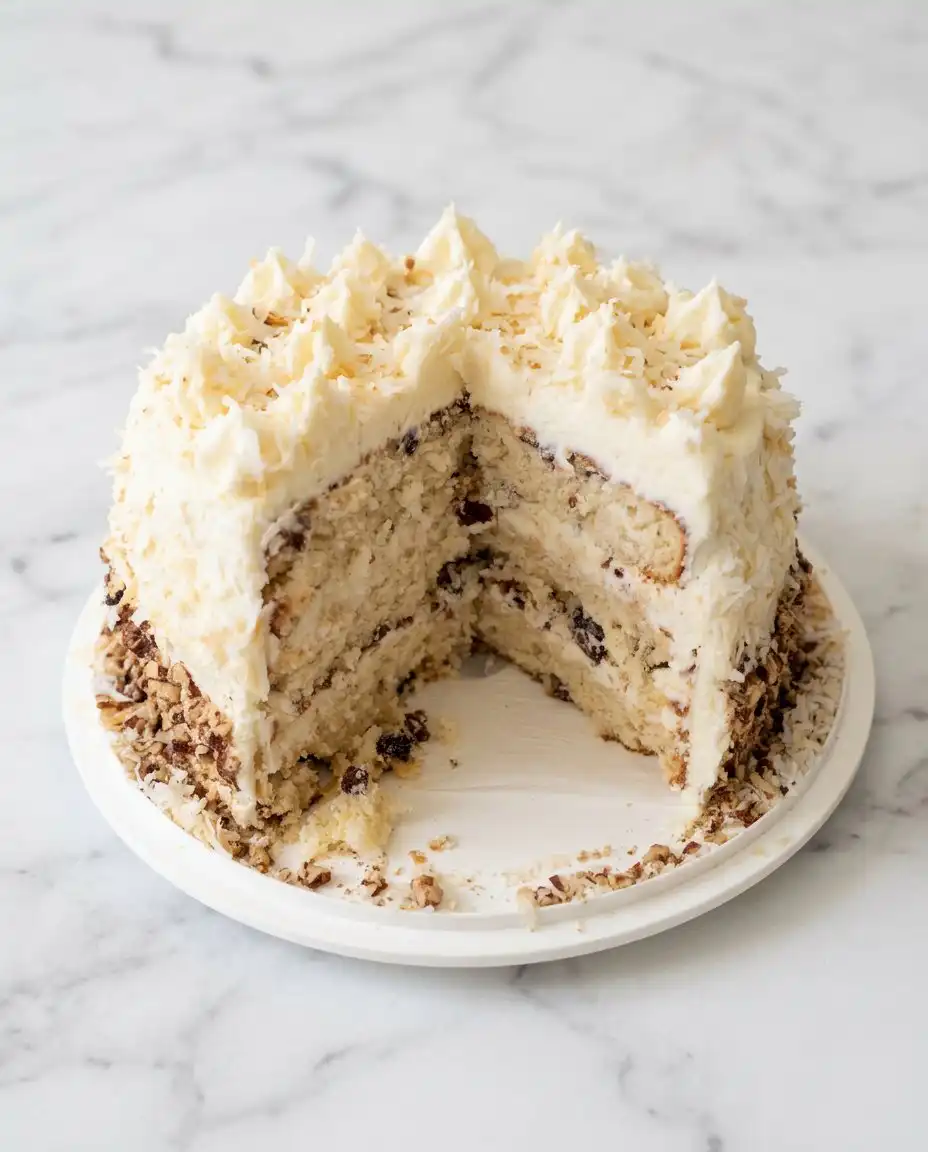
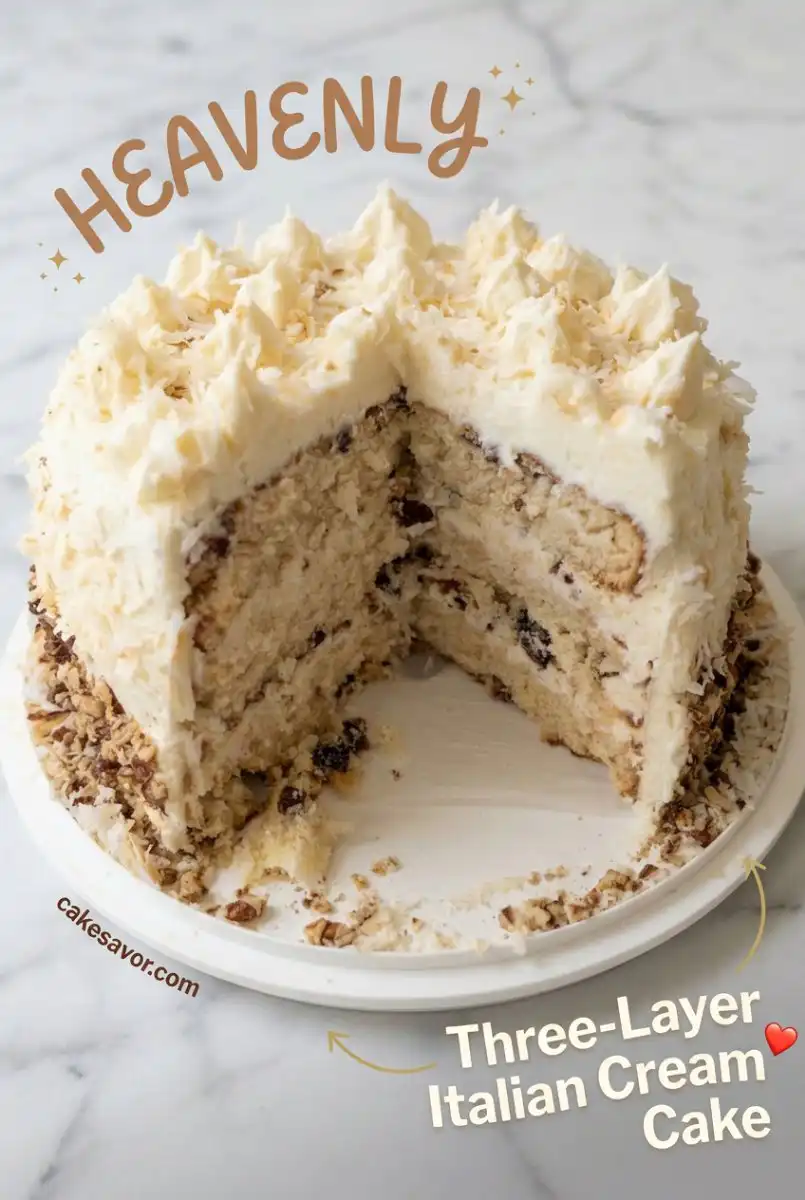
This Three-Layer Italian Cream Cake is the favorite playground for home bakers who love a reliable base that feels deeply personal and thoughtful. The crumb is exceptionally light, carrying the tropical whisper of shredded coconut and the earthy crunch of toasted pecans through every bite. It bridges the gap between a standard vanilla layer cake and something far more sophisticated and aromatic for your next gathering. By focusing on the quality of your extracts and the temperature of your dairy, you create a dessert that lingers in the memory of your guests.
What Makes This Three-Layer Italian Cream Cake Special
Prep: 15 min · Serves: 12 · Difficulty: Medium
- Toasted pecans offer a warm, earthy crunch.
- Delicate coconut flakes add a tropical chew.
- Buttermilk creates an exceptionally tender cake crumb.
- Almond extract provides a mysterious floral depth.
- Cream cheese frosting balances the sweet layers.
This is the recipe my family requests every single weekend because it reminds them of the classic vanilla butter cake they loved as children but with a nutty twist.
Get The Full Cake Recipe
Print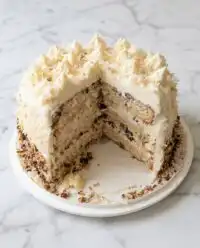
Three-Layer Italian Cream Cake
- Total Time: 1 hour 5 mins
- Yield: 12 servings
Description
This classic southern-style Italian cream cake features a tender buttermilk crumb infused with toasted pecans and tropical coconut. Topped with tangy cream cheese frosting, this elegant dessert offers a perfect balance of nutty crunch and sophisticated floral undertones.
Ingredients
- All-purpose flour
- Cornstarch
- Baking powder
- Baking soda
- Salt
- Unsalted butter, softened
- Vegetable oil
- Granulated sugar
- Egg yolks
- Egg whites
- Vanilla extract
- Almond extract
- Buttermilk
- Unsweetened shredded coconut
- Chopped pecans
Instructions
- Prepare the workspace. Preheat oven to 180C (350°F), grease two 8-inch cake pans, and line the bottoms with parchment paper.
- Sift dry ingredients. Whisk and sift the flour, cornstarch, baking powder, baking soda, and salt together in a medium bowl to ensure even distribution.
- Cream butter and sugar. Beat the softened butter, vegetable oil, and granulated sugar in a stand mixer until pale, light, and fluffy.
- Integrate egg yolks. Add the egg yolks to the creamed mixture one by one, beating on low speed until fully incorporated.
- Bloom the extracts. Add the vanilla extract, almond extract, and buttermilk to the bowl and mix until combined, scraping down the sides.
- Fold in flour. Gently fold the sifted dry ingredients into the wet base using a spatula until just combined.
- Stir in textures. Carefully fold the shredded coconut and chopped pecans into the heavy batter.
- Whip egg whites. Beat the egg whites in a clean bowl until stiff peaks form.
- Lighten the batter. Incorporate one-third of the whipped egg whites into the batter to loosen it, then gently fold in the remaining whites.
- Bake the layers. Distribute the batter into the prepared pans and bake for 30 to 35 minutes until a toothpick comes out clean.
- Cool and assemble. Let the cakes cool in the tins for 20 minutes before transferring to a wire rack, then frost with cream cheese frosting once completely cold.
Notes
- Toast pecans in a dry pan for three minutes to intensify their nutty aroma and flavor.
- Ensure buttermilk and eggs are at room temperature to prevent the butter from seizing during mixing.
- Wipe your mixing bowl and whisk with vinegar before whipping egg whites to remove any trace of grease for better volume.
- Measure flour by weight rather than volume to avoid a dry or crumbly cake texture.
- Use a very gentle folding motion when adding egg whites to maintain the airy structure of the sponge.
- Prep Time: 30 mins
- Cook Time: 35 mins
- Category: Dessert
- Method: Baking
- Cuisine: Southern/Italian-American
Simple Ingredients + One Smart Add
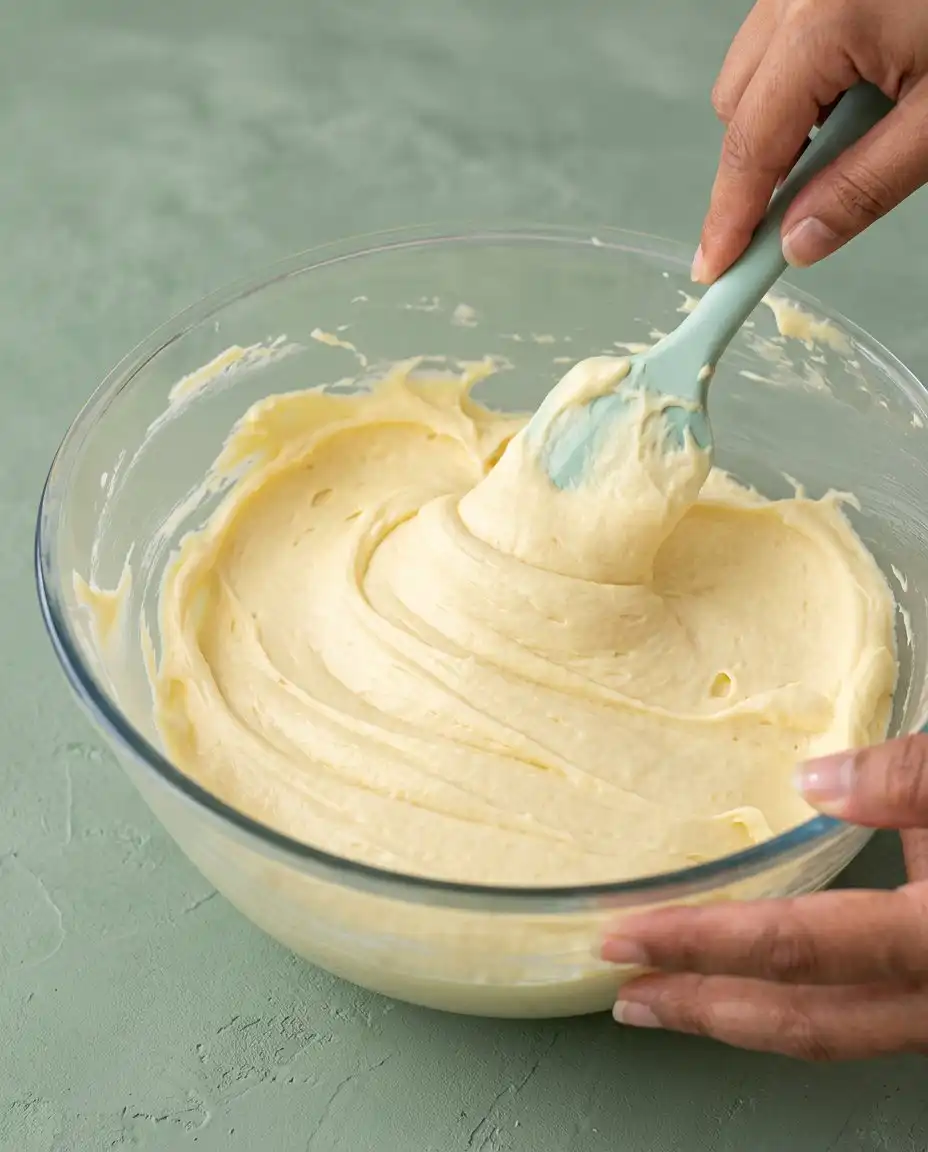
The magic of this recipe lies in how basic pantry items transform with the addition of almond extract. This tiny drop of flavor acts as the bridge between the toasted nuts and the creamy frosting, creating a profile that feels complete and intentional. Using room temperature ingredients is the secret to a smooth batter that traps air for a lofty rise in the oven.
- All-Purpose Flour and Cornstarch: This duo mimics cake flour to provide a soft, velvet-like texture to the sponge.
- Unsalted Butter and Oil: Combining these fats gives you the rich flavor of butter with the lasting moisture from vegetable oil.
- Buttermilk: The acidity reacts with the leavening agents to produce a tender crumb that melts on the tongue.
- Egg Whites: Whipping these separately and folding them in at the end is what makes the cake airy rather than dense.
- Shredded Coconut: Use unsweetened dried coconut to control the sugar levels while adding a pleasant, chewy texture.
- Pecans: Chopping these finely allows the nutty oils to permeate the batter as it bakes in the heat.
- Almond Extract: This is the smart addition that provides a cherry-like floral note that makes guests ask for the secret ingredient.
| Ingredient | Why It Matters |
|---|---|
| Cornstarch | Lowers protein content for a softer crumb |
| Buttermilk | Provides acidity for a tender texture |
| Almond Extract | Adds a sophisticated floral undertone |
| Egg Whites | Creates a light and airy structure |
| Pecans | Adds earthy flavor and fatty crunch |
The Method
Step 1: Prep Your Workspace and Pans
Before you touch the flour, preheat your oven to 180C (350°F) to make sure the environment is stable for the batter. Grease two 8-inch cake pans thoroughly with a reliable release agent and line the bottoms with circles of parchment paper. Having your pans ready prevents the batter from sitting and losing air while you search for supplies later.
Step 2: Sift the Dry Components
Pass the flour, cornstarch, baking powder, baking soda, and salt through a fine-mesh sieve into a medium bowl. Use a whisk to move the air through the powder, making sure the leavening agents are distributed evenly throughout the flour. This step prevents clumps of baking soda from creating bitter spots in your finished dessert.
Step 3: Cream the Fats and Sugars
Place the softened butter, vegetable oil, and granulated sugar into a large mixing bowl or the bowl of a stand mixer. Beat these together on medium-high speed for about two minutes until the mixture looks pale, light, and almost like fluffy clouds. This process aerates the fat, which is essential for the structure of the sponge.
Step 4: Integrate the Egg Yolks
Add the egg yolks one by one to the creamed butter mixture, beating on low speed after each addition. You want the yolks to disappear into the pale yellow cream without overworking the fats. The yolks provide the richness and emulsifiers needed to bind the moisture and fats together smoothly.
Step 5: Bloom the Extracts and Buttermilk
Pour the vanilla extract, almond extract, and buttermilk into the bowl and mix on a low setting until combined. The almond extract should immediately release a warm, marzipan-like scent that fills your kitchen. Scrape down the sides of the bowl with a flexible spatula to make sure no pockets of butter are hiding at the bottom.
Step 6: Fold in the Dry Ingredients
Add the sifted flour mixture to the wet base and use a large spatula to fold the ingredients together by hand. Move the spatula in a circular motion, cutting through the center and lifting the bottom batter over the top. Stop as soon as you see no more streaks of white flour to avoid developing too much gluten.
Step 7: Stir in the Texture
Gently fold the shredded coconut and chopped pecans into the thick batter until they are just distributed. These additions provide the signature chew and crunch that define this southern classic. The batter will look speckled and heavy at this stage, but the next step will lighten it significantly.
Step 8: Whip the Egg Whites
In a separate, perfectly clean glass or metal bowl, beat the egg whites on medium speed until they reach stiff peaks. You will know they are ready when you lift the beaters and the peaks stand straight up without drooping over. This step incorporates the massive amount of air required for a fluffy cake.
Step 9: Lighten the Base
Add about one-third of the whipped egg whites to the heavy cake batter and stir them in to loosen the texture. This sacrifice of some air bubbles makes it much easier to fold in the remaining whites without deflating them entirely. The batter should begin to feel lighter and more mousse-like under your spatula.
Step 10: Bake Your Three-Layer Italian Cream Cake
Distribute the batter evenly between your two prepared pans and slide them into the center of the preheated oven. Bake for 30 to 35 minutes, watching for the tops to turn a light golden brown and spring back when touched. A toothpick inserted into the center should come out clean or with a few moist crumbs attached.
Step 11: Cool and Assemble
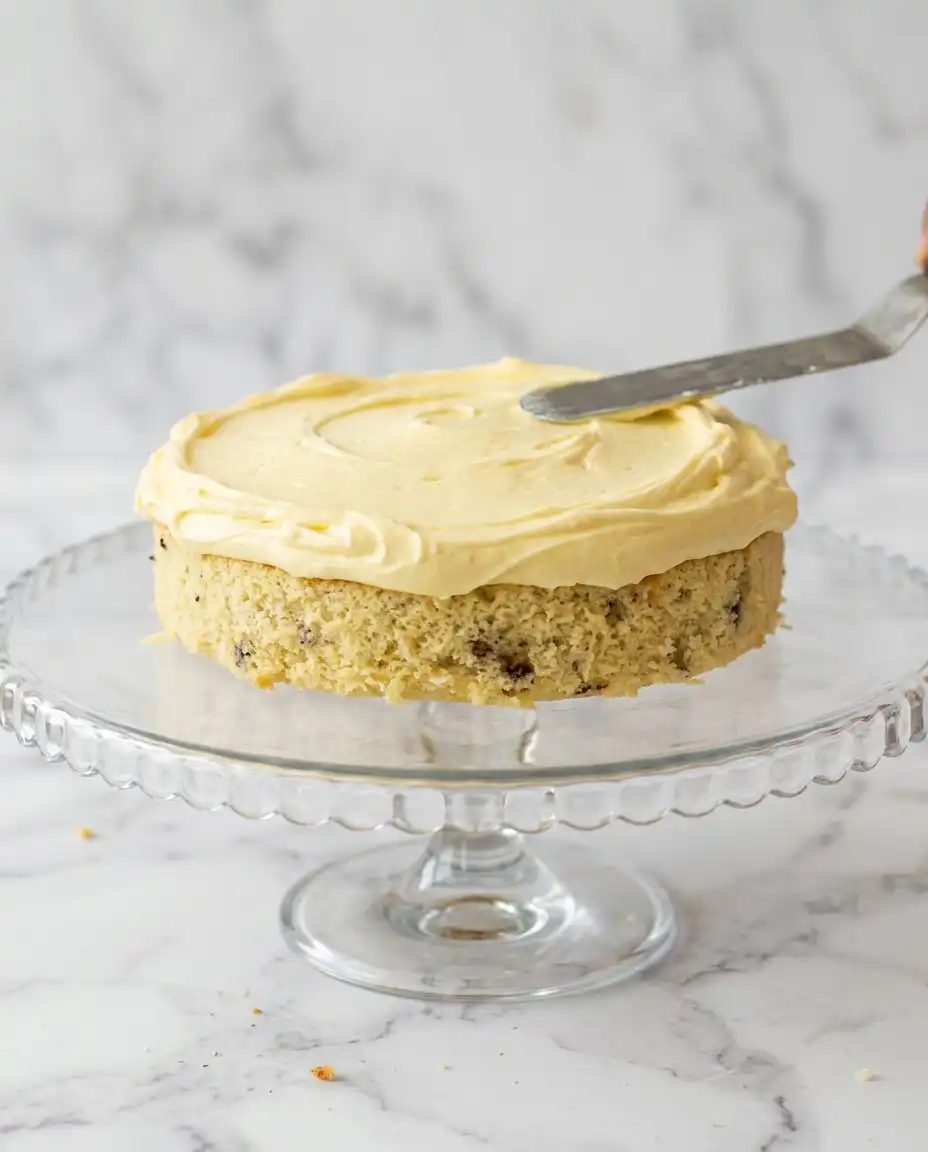
Let the cakes rest in their tins for 20 minutes to allow the structure to set before moving them to a wire rack. Once they are completely cold to the touch, you can slice the layers to create a taller stack and cover them in tangy cream cheese frosting. The contrast between the cold frosting and the nutty cake is what makes every bite memorable.
Small Tweaks, Big Wow
Always toast your pecans in a dry pan for three minutes before chopping them to release their natural oils and deepen the flavor. This small step changes the entire aromatic profile of the cake from standard to professional. If your pecans are raw, they can sometimes get lost in the moisture of the batter instead of standing out as a focal point.
Make sure your buttermilk and eggs are at true room temperature by setting them on the counter for at least an hour before you begin. Cold ingredients will cause the creamed butter to seize, resulting in a lumpy batter and a dense finished product. If you find your batter looks curdled, it is often because the temperature difference between the dairy and the fat is too great.
If your egg whites refuse to reach stiff peaks, there may be a trace of fat or egg yolk in your bowl or on your whisk. You can fix this by wiping your equipment with a paper towel dipped in lemon juice or white vinegar before starting. This removes any invisible grease that prevents the protein bonds from forming the structure you need for a perfect buttermilk vanilla cake or any sponge.
Use a light hand when folding the shredded coconut and pecans into the batter to preserve the air you worked so hard to incorporate. Every heavy-handed stir knocks out the bubbles that make the crumb tender. Think of the folding process as a gentle cradling of the ingredients rather than a vigorous mixing session.
Measure your flour by weight using a digital scale to achieve the most consistent results every single time you bake. Dipping a measuring cup directly into the flour bag often packs the powder down, leading to a dry and crumbly cake. A scale removes the guesswork and helps you learn how to bake a moist italian cream cake that rivals any professional bakery.
Frequently Asked Questions
What is in Italian cream cake?
A traditional version of this recipe includes a light sponge cake flavored with vanilla and almond extracts, filled with shredded coconut and chopped pecans. It is almost always paired with a thick, tangy cream cheese frosting that balances the sweetness. The combination of textures from the nuts and coconut is its most defining characteristic.
What was Pope John Paul II’s favorite dessert?
While many sources point to a Polish cream cake known as Papieska Kremówka, the Italian cream cake is often associated with celebratory feasts in honor of various figures. This specific cake grew in popularity in the southern United States due to its rich ingredients and festive appearance. It remains a top choice for special occasions and holidays across many cultures.
How long to cook a 3 layer cake?
When baking three layers instead of two, you should check the cakes for doneness around the 25-minute mark. Because the batter is spread thinner across more pans, the heat penetrates the center more quickly than in a deep cake. Always use the toothpick test to ensure the center is fully set before removing them from the oven.
Is Italian wedding cake and Italian cream cake the same thing?
These two names are often used interchangeably, though some variations of the wedding cake might omit the coconut or add different fruit extracts. Both rely on a similar buttermilk base and a nut-filled crumb to provide a sophisticated flavor profile. They are both characterized by their signature white frosting and layered presentation.
Can I freeze this cake before frosting it?
Yes, these cake layers freeze exceptionally well if they are wrapped tightly in plastic wrap and a layer of aluminum foil. You can keep them in the freezer for up to three months without losing any of the moisture or flavor quality. Thaw them in the refrigerator overnight before you plan to assemble and frost the cake for the best texture.
Why did my cake sink in the middle?
Cakes usually sink because the oven door was opened too early or the leavening agents were expired and failed to hold the structure. Make sure you do not peek at the cakes until at least 25 minutes of baking time have passed. Also, ensure your baking powder and soda are fresh by testing a small amount in hot water or vinegar before mixing your batter.
How do I store leftovers for the best flavor?
Because of the cream cheese frosting, this cake must be kept in the refrigerator in an airtight container to keep it fresh. Take the cake out about thirty minutes before serving to allow the butter in the sponge to soften back to its ideal texture. Cold cake can sometimes feel dense, so the room temperature rest is key for the flavor pop.
Make It Yours
For a floral twist that feels light and spring-like, swap the almond extract for a half-teaspoon of orange blossom water. The citrus notes play beautifully with the coconut and offer a bright contrast to the heavy pecans. This variation works especially well if you are serving the cake at an afternoon tea or a garden party.
If you prefer a deeper, toasty flavor profile, try browning the butter before you begin the creaming process. Allow the melted butter to cool until it reaches a soft solid state again, then proceed with the recipe as written. This adds a caramel-like depth that pairs perfectly with the pecans, similar to the richness found in a yellow cake recipe with a twist.
You can also experiment with the nut choice by substituting the pecans for toasted macadamia nuts. This gives the cake a more tropical, buttery feel that complements the coconut in a new way. Macadamias have a higher fat content, so they melt into the crumb and provide a different kind of luxury to every slice.
Bringing the Wow to the Table
Serve a thick slice of this cake alongside a steaming cup of dark roast coffee or a nutty oolong tea to complement the almond notes. The bitterness of the coffee cuts through the richness of the cream cheese frosting, allowing the floral extracts to shine more brightly. It is an ideal pairing for a post-dinner treat or a luxurious weekend brunch.
For a truly festive presentation, garnish the top of the cake with a ring of whole toasted pecans and a light dusting of extra coconut. You can even drizzle a small amount of warm caramel over each individual slice for a decadent touch that reminds me of a rich caramel cake. This adds a visual contrast and an extra layer of sweetness that guests will appreciate.
This cake is best served on a simple white pedestal or a rustic wooden board to let the textures of the frosting and nuts take center stage. Because the cake itself is so flavorful, you do not need elaborate decorations to make it feel special. A few fresh flowers or a sprig of mint on the side of the plate can provide a clear, bright finish to the presentation.
Your Turn to Riff
Baking this cake is an invitation to explore how simple adjustments to extracts and textures can transform a humble recipe into something unforgettable. Whether you stick to the classic pecan and coconut combination or try a new floral extract, the goal is to make the flavor your own. The airy crumb and tangy frosting provide the perfect canvas for your culinary creativity and personal taste.
I hope you find as much joy in the folding of the egg whites as you do in the first bite of the finished dessert. It is a process that rewards patience and curiosity with a result that your friends and family will ask for again and again. For more inspiration on building memorable flavors in your kitchen, check out my quick italian cream cake for when you are short on time.
If you decide to bake this version, I would love to see how you styled your layers or what smart additions you chose to include. Share your creations with our community and let us know which flavor pop worked best for you. Follow us on Pinterest, Facebook, TikTok, and Telegram for more tips on making every cake a memorable one.