You might start with a basic sponge, but a single swirl of almond extract or a pinch of cardamom transforms this Classic Mango Sponge Cake into something entirely your own creation.

Making a Classic Mango Sponge Cake at home is the best way to embrace seasonal fruit while practicing your delicate folding technique. This airy dessert relies on the lift of whipped eggs rather than heavy fats to create a cloud-like texture that feels light on the palate. The sweetness of ripe mango pairs beautifully with the light crumb, offering a refreshing finish that feels sophisticated for any gathering.
What Makes This Classic Mango Sponge Cake Special
Prep: 30 min · Serves: 6 · Difficulty: Intermediate
- Airy texture melts in your mouth instantly.
- Fresh mango provides a natural tropical sweetness.
- Balanced cream layers create a rich finish.
- Simple steps result in a memorable bake.
This is the light and fruity treat your weekend gathering deserves. If you enjoy a cake with fruit then this version will surely become a new favorite in your kitchen rotation.
Get The Full Cake Recipe
Print
Classic Mango Sponge Cake
- Total Time: 1 hour 20 mins
- Yield: 6 servings
- Diet: Vegetarian
Description
This elegant sponge cake features an airy, cloud-like crumb layered with fresh, vibrant mangoes and stabilized whipped cream. It is the perfect refreshing dessert that balances tropical sweetness with a light and sophisticated texture.
Ingredients
- Large mangoes
- Cornstarch
- Granulated sugar
- Heavy cream
- Vanilla essence
- Baking powder
- Egg yolks
- Egg whites
- Vegetable oil
- Hot water
- All-purpose flour
Instructions
- Prep baking station. Preheat your oven to 160°C (320°F) and line the bottom of an 8-inch cake tin with parchment paper while leaving the sides ungreased.
- Whisk egg yolks. Combine hot water with half the sugar, then whisk in yolks and vanilla until the mixture turns pale and forms ribbons.
- Sift dry goods. Incorporate oil into the yolk mixture, then gently fold in sifted flour, baking powder, and cornstarch until just combined.
- Beat egg whites. Whip egg whites with the remaining sugar in a separate clean bowl until stiff peaks form.
- Fold batter. Stir a small amount of whites into the yolk base to lighten, then carefully fold in the remaining whites while maintaining volume.
- Bake the sponge. Pour batter into the prepared tin and bake for 40 to 50 minutes until golden and springy to the touch.
- Cool the cake. Invert the tin on a wire rack immediately after baking, then chill the sponge completely before assembly.
- Prepare cloud cream. Whisk heavy cream, sugar, and vanilla until stiff, glossy peaks form.
- Assemble fruit layers. Slice the chilled cake into three layers, spreading cream and mango pieces between each layer.
- Chill and serve. Finish by frosting the outside, piping a decorative border, and letting the cake set in the refrigerator for two hours before slicing.
Notes
- Use a metal spatula for folding to better maintain the delicate air bubbles in the egg whites.
- Ensure the cake is completely cooled before applying cream to prevent the filling from melting or sliding.
- Wipe your knife clean between slices when cutting the mango for the cleanest presentation.
- Avoid over-mixing the batter during the folding stage to prevent the sponge from becoming dense.
- Chill your mixing bowl before whipping the heavy cream to ensure it holds its shape longer.
- Prep Time: 30 mins
- Cook Time: 50 mins
- Category: Dessert
- Method: Baking
- Cuisine: Modern Fusion
Pantry & Spice Drawer
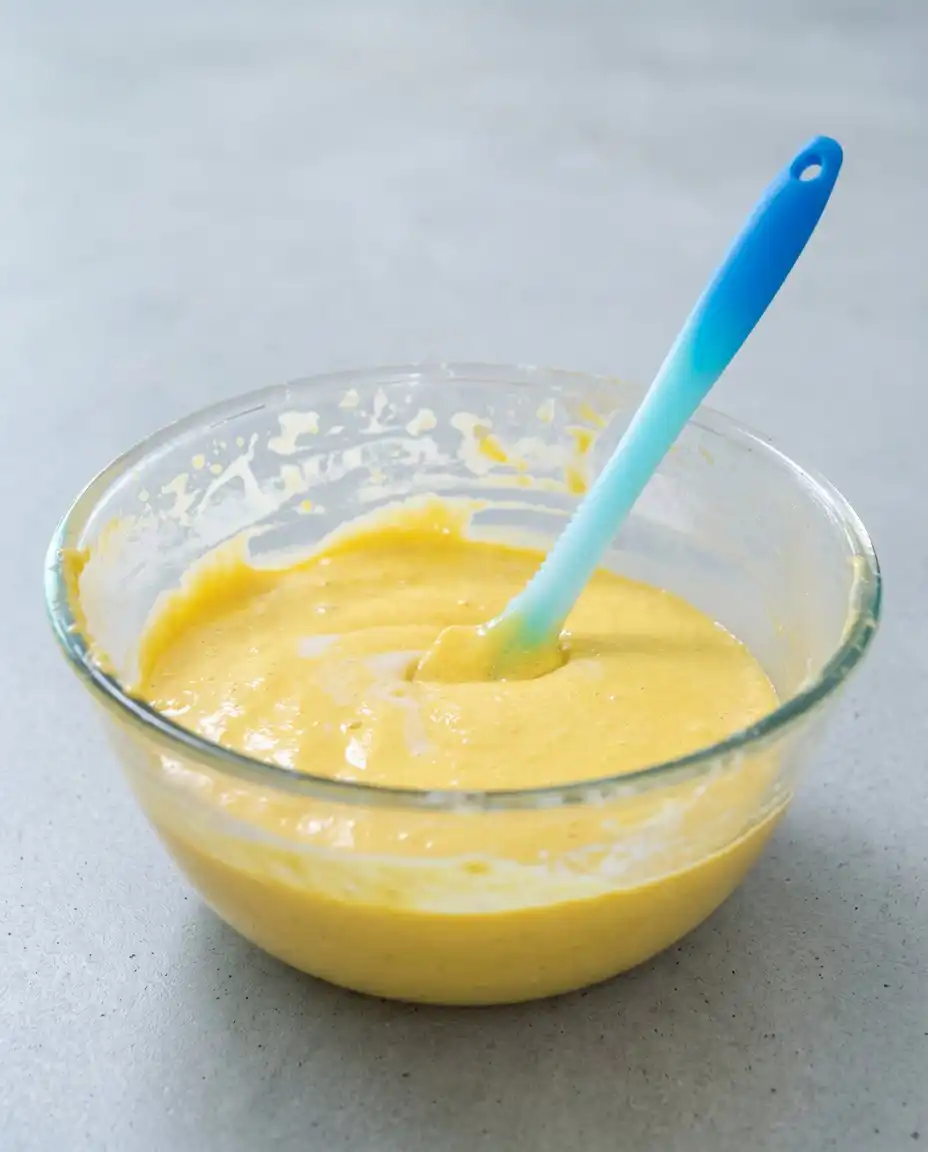
Most of these staples are likely already sitting in your kitchen, waiting for the fresh mangoes to arrive. The combination of cornstarch and flour ensures a tender crumb that stays soft for days without feeling heavy.
- Large mangoes: Use fruit that is soft but not mushy for the best flavor pop and clean slices.
- Cornstarch: This is the secret to a delicate crumb that prevents the cake from becoming too tough.
- Granulated sugar: This provides sweetness and also helps stabilize the egg white structure during the whipping process.
- Heavy cream: High fat content is necessary to create a sturdy whipped topping that holds the fruit in place.
- Vanilla essence: A standard addition that provides a warm floral background to the tropical fruit notes.
- Baking powder: Even with whipped eggs, a small amount of lift ensures the sponge stays level and airy.
| Ingredient | Why It Matters |
|---|---|
| Egg Yolks | Provides richness and emulsifies the hot water and oil |
| Egg Whites | Creates the primary structure and light volume through air bubbles |
| Vegetable Oil | Keeps the sponge moist even when stored in the cold fridge |
| Hot Water | Helps dissolve the sugar quickly into the egg yolk mixture |
Building the Flavor
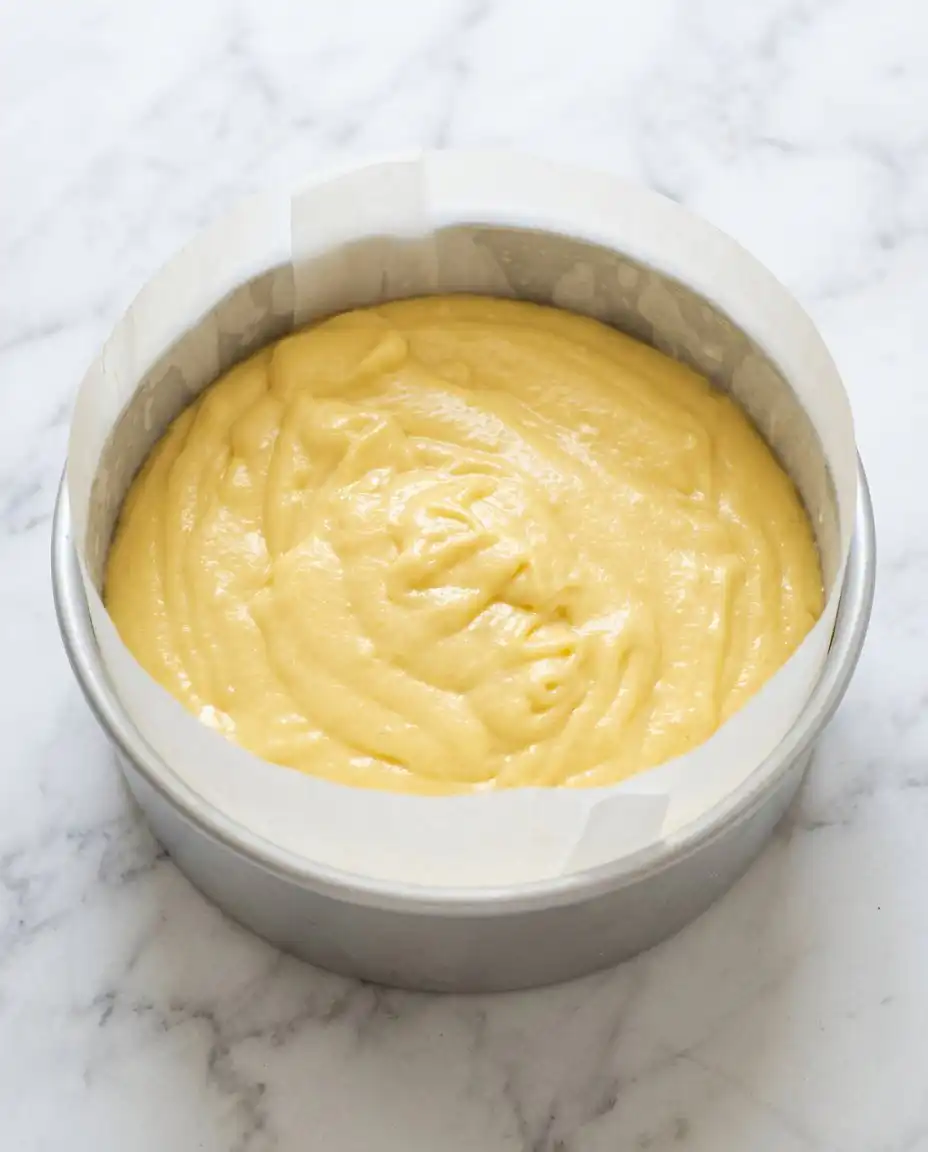
Step 1: Prep the Baking Station
Start by preheating your oven to 160°C (320°F) to ensure a steady heat source. Line the bottom of an 8-inch cake tin with parchment paper, but leave the sides ungreased so the batter can climb. This step allows the sponge to reach its full height without slipping down the walls of the pan.
Step 2: Whisk the Yolks to Ribbons
In a large bowl, combine the hot water and half of your granulated sugar. Add the egg yolks and vanilla essence, whisking vigorously until the mixture doubles in size and turns a pale, creamy yellow. You will know it is ready when the whisk leaves a trail or ribbon that sits on the surface for a few seconds.
Step 3: Sift the Dry Goods
Stir the vegetable oil into your yolk mixture until it is fully incorporated. Sift in the all-purpose flour, baking powder, and cornstarch from a height to add even more air to the mix. Gently fold the dry ingredients in with a spatula until you see no more white streaks, taking care not to deflate the bubbles.
Step 4: Beat the Egg Whites
In a separate, clean bowl, beat the egg whites on medium speed until they become foamy and white. Gradually pour in the remaining granulated sugar while continuing to beat at a higher speed. Stop once the whites reach stiff peaks, which means they stand straight up when you lift the beaters.
Step 5: Fold with Finesse
Take a small portion of the egg whites and stir it into the yolk batter to lighten the texture. Then, carefully fold the remaining whites into the mixture using a large metal spoon or spatula. Move in a circular motion from the bottom to the top to preserve as much volume as possible.
Step 6: Bake the Classic Mango Sponge Cake
Pour the batter evenly into your prepared cake tin and give it a gentle tap on the counter to release large air pockets. Place it in the oven for 40 to 50 minutes until the top is golden and the center springs back when touched. Your Classic Mango Sponge Cake should smell toasty and sweet as it finishes baking.
Step 7: The Cool Down Method
Immediately turn the cake tin upside down on a wire rack to prevent the delicate structure from collapsing as it cools. Once the cake reaches room temperature, place it in the refrigerator to chill completely. A cold cake is much easier to slice into thin, even layers without crumbling.
Step 8: Prepare the Cloud Cream
Combine the thickened cream, sugar, and vanilla extract in a chilled bowl. Whisk on high speed until the cream holds stiff peaks and looks smooth and glossy. Transfer a portion of this cream into a piping bag fitted with a round tip for the assembly phase.
Step 9: Assemble the Fruit Layers
Peel your mangoes and cut one into cubes while slicing the others into thin, uniform pieces. Cut the chilled sponge into three horizontal layers and place the bottom layer on a turntable. Spread a thin layer of cream, top with sliced mangoes, and add another layer of cream before placing the next sponge on top.
Step 10: Final Chilling and Decorating
Cover the entire cake in a thin layer of cream using a palette knife for a smooth finish. Pipe a border around the top edge and fill the center with the mango cubes. Let the cake set in the fridge for at least two hours so the flavors can meld before you serve the first slice.
Small Tweaks, Big Wow
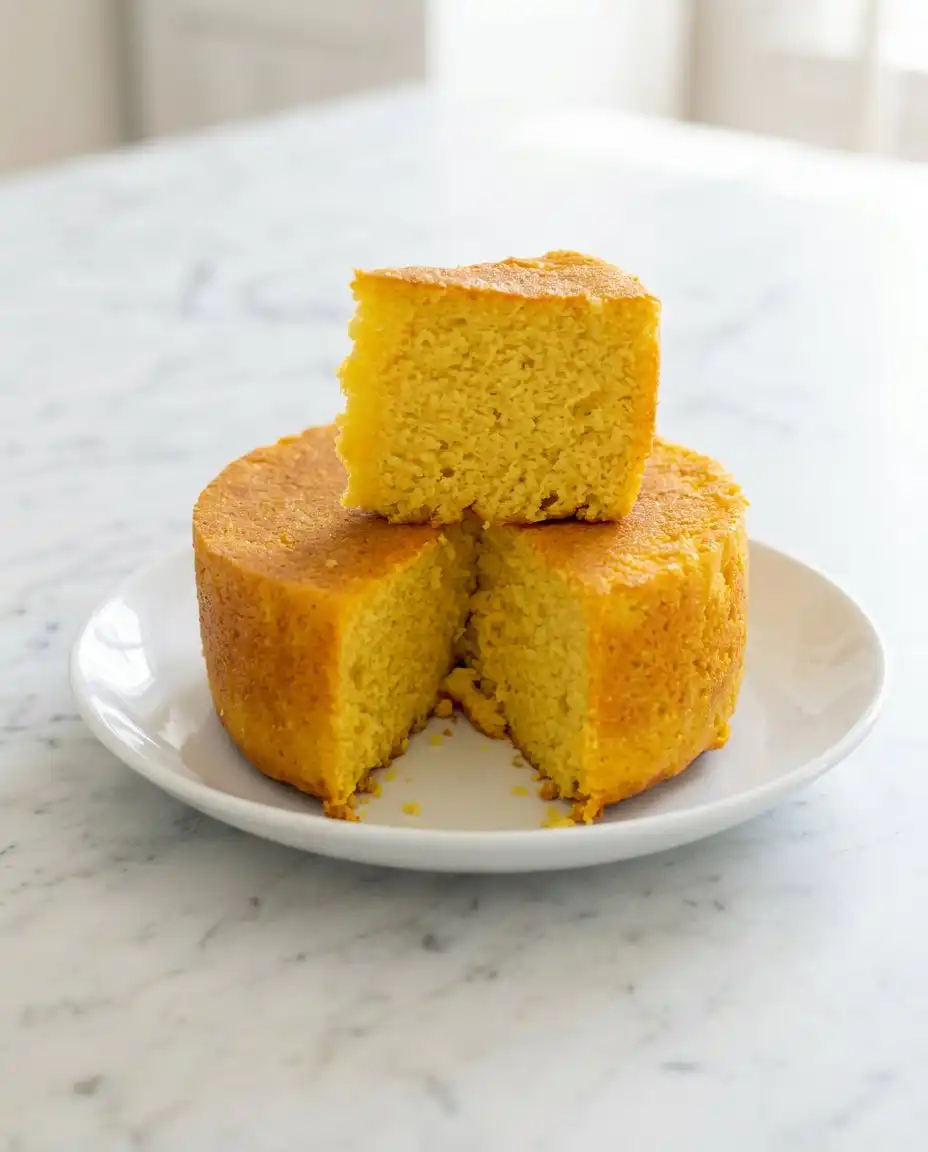
Ensure your mixing bowl for the egg whites is completely free of grease or yolk bits. Even a tiny drop of fat can prevent the whites from reaching the stiff peaks required for a sponge cake 2 style texture.
If your cream becomes soupy and loses its shape, it is often because the cream or the bowl was too warm. Always use heavy cream straight from the fridge and consider chilling your metal bowl for ten minutes before you start whisking.
When folding the flour into the yolks, use a sifter to prevent lumps from forming in the first place. This reduces the amount of mixing required, which keeps the gluten from developing and ensures the cake remains tender rather than bread-like.
Room temperature eggs are generally better for volume, but they are easier to separate when they are cold. Separate them while they are fresh from the fridge, then let the yolks and whites sit on the counter for twenty minutes before you begin.
To get the cleanest slices of fruit, use a very sharp knife and wipe the blade between every single cut. This prevents the cream from smearing over the bright orange fruit, keeping the presentation looking professional and clean.
If your cake is dense and did not rise, the egg whites likely deflated during the folding process. Be very gentle and stop as soon as the mixture is uniform; over-mixing is the most common reason for a heavy sponge.
Frequently Asked Questions
Can I use frozen mango for this recipe?
Frozen mango is not recommended for the filling because it releases too much moisture as it thaws. This extra liquid will make the cream layers slide and result in a soggy sponge. Stick to fresh, ripe mangoes for the best texture and visual appeal.
How long will the cake stay fresh in the fridge?
This cake is best enjoyed within two days of assembly because the fresh fruit and cream will eventually begin to weep. Store it in an airtight container or a cake carrier to prevent the sponge from absorbing any refrigerator odors. If the fruit looks dull, you can brush it with a little apricot glaze.
Why did my sponge cake shrink after coming out of the oven?
Sponge cakes often shrink if the sides of the pan were greased, as the batter needs to grip the walls to stay upright. Another cause is a sudden temperature drop, which is why we cool the cake upside down. This technique allows gravity to hold the structure while the proteins set.
Can I make the sponge layers in advance?
You can bake the sponge layers one day before you plan to assemble the cake. Wrap them tightly in plastic wrap once they are completely cool and store them at room temperature or in the fridge. This actually makes them easier to handle and slice because the crumb has time to stabilize.
Is it possible to make this cake gluten-free?
You can attempt a gluten-free version by using a high-quality 1:1 gluten-free flour blend. Since the cake relies heavily on egg structure rather than gluten, it usually performs well. However, the texture might be slightly more fragile, so handle the layers with extra care during assembly.
Can I substitute the whipped cream with buttercream?
While you can use buttercream, it will significantly change the light and airy profile of the dessert. A heavy frosting can overwhelm the delicate sponge and the fresh fruit. If you need a more stable frosting, try a stabilized whipped cream using a small amount of gelatin or mascarpone cheese.
Where to Take It Next
For a floral twist that pairs beautifully with tropical fruit, add a half teaspoon of orange blossom water to the whipped cream. This small change provides a sophisticated scent that makes guests pause mid-bite to appreciate the subtle layers of flavor.
If you prefer a cake with a bit more structure, you can experiment with a chiffon cake base which uses similar techniques but results in a slightly sturdier crumb. This is a great choice if you plan on using heavier fruit toppings or multiple tiers.
Add a nutty depth by swapping the vegetable oil for browned butter that has been cooled to room temperature. This creates a toasty profile that grounds the sweetness of the mango, making the entire dessert feel more indulgent and complex. Following expert mango preparation techniques can also help you find the best way to slice your fruit for these variations.
Bringing the Wow to the Table
Serve a slice of this cake alongside a hot cup of jasmine or oolong tea to balance the creamy sweetness. The light floral notes of the tea complement the mango without competing for attention on your palate. If you are hosting a larger party, you might also offer a classic vanilla butter cake for those who prefer more traditional flavors.
For a beautiful presentation, garnish each individual plate with a few fresh mint leaves and a light dusting of powdered sugar. The green mint provides a lovely color contrast against the bright orange mango and the white cream. This simple cake, unforgettable flavor is what makes it such a reliable choice for birthdays or summer celebrations.
Keep the cake chilled until the moment you are ready to slice it for the best results. Cold cream is much easier to cut through cleanly, and the refreshing temperature makes the tropical mango flavor feel even more pronounced. Use a serrated knife and a gentle sawing motion to prevent squashing the airy sponge layers.
Your Turn to Riff
This recipe is where you make it yours by choosing the most fragrant fruit and perfecting your whipped cream. The Classic Mango Sponge Cake is a testament to how one smart addition, like the perfect mango variety, can turn a simple base into a masterpiece. I hope this bake brings a sense of play to your kitchen and leaves your guests asking for seconds.
If you find yourself wanting to try different textures, consider looking into a perfect buttermilk vanilla cake for your next project. Every new recipe is a chance to layer your skills and discover new flavor pops that delight your family and friends. Simple cake, unforgettable flavor is always the goal when we bake with fresh ingredients.
Please share your results with us and show off your beautiful fruit layers. Follow us for more inspiration on Pinterest, Facebook, TikTok, and Telegram to stay updated on our latest kitchen experiments.