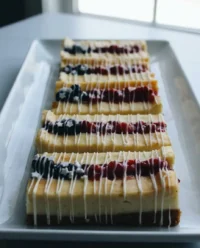
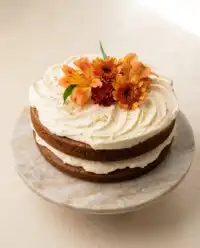
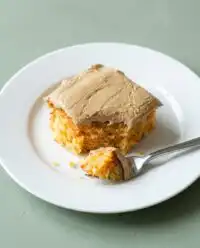
There is a quiet comfort in seeing a golden cake resting under a glass dome on the counter, waiting patiently for anyone who might drop by.

This classic Vanilla Pound Cake brings back the honest flavors of Sunday afternoons spent in grandmother’s kitchen. You do not need any fancy tools or complicated skills to bake this reliable dessert. It fills the entire house with a warm, sweet aroma that calls everyone to the kitchen table.
Why This Vanilla Pound Cake Has Stayed in the Family
Prep: 45 min · Serves: 18 · Difficulty: Easy
- Bakes up beautifully in a vintage pan.
- Requires only basic, honest pantry staples.
- Stays wonderfully soft for several days.
- Tastes even better the next morning.
- Fills the home with nostalgic warmth.
This is the honest recipe your family will ask for every single Sunday.
Baking is a way of showing love without saying a single word. When you place this golden loaf on the counter, it invites people to slow down and talk. If you enjoy simple baking, you might also love our comforting classic vanilla butter cake for your next weekend gathering. It shares that same honest crumb we all cherish.
Get The Full Cake Recipe
Print
Vanilla Pound Cake
- Total Time: 1 hour 45 mins
- Yield: 18 servings
Description
This timeless Vanilla Pound Cake features a rich, buttery crumb and a delicate vanilla bean aroma, perfect for effortless Sunday afternoon gatherings. It is a reliable, crowd-pleasing dessert that pairs beautifully with fresh berries or a simple sweet glaze.
Ingredients
- 1 lb Unsalted butter, softened
- 3 cups Granulated sugar
- 1 fresh Vanilla bean, scraped
- 1 tbsp Vegetable oil
- 6 large Eggs, room temperature
- 3 cups All-purpose flour
- 1/2 tsp Baking soda
- 1/2 tsp Kosher salt
- 1 cup Sour cream
- 1 cup Powdered sugar (for glaze)
- 2 tbsp Milk (for glaze)
- 1 tsp Vanilla extract (for glaze)
Instructions
- Prepare your equipment. Preheat your oven to 325°F and thoroughly grease a ten-cup bundt pan with shortening.
- Sift dry ingredients. Combine the flour, baking soda, and salt in a bowl and sift twice to ensure an even, light texture.
- Prepare vanilla sugar. Scrape the vanilla bean seeds and rub them into the granulated sugar until fragrant and speckled.
- Cream the fats. Beat the butter and vegetable oil until smooth, then incorporate the vanilla sugar until the mixture is fluffy and pale.
- Add the eggs. Mix in the room-temperature eggs one at a time, ensuring each is fully incorporated before adding the next.
- Alternate batter components. Stir in one-third of the flour, followed by half the sour cream, repeating until all ingredients are combined.
- Finish the batter. Scrape the bowl sides and bottom with a silicone spatula, then pour the glossy batter into the prepared pan.
- Bake the cake. Bake on the center rack for approximately 60 minutes or until a wooden skewer comes out clean.
- Cool the cake. Let the pan rest for ten minutes on a wire rack before inverting to release the cake completely.
- Glaze and serve. Whisk the glaze ingredients together and drizzle over the cooled cake before slicing and serving.
Notes
- Ensure all dairy and eggs are at room temperature to prevent the batter from splitting or becoming dense.
- Use a scale or the spoon-and-level method for flour to avoid packing, which can make the cake dry.
- Keep the oven door closed during the entire baking time to maintain a steady temperature and prevent the center from sinking.
- Drape a clean kitchen towel over the cake while it cools to keep the outer crust soft and tender.
- Prep Time: 45 mins
- Cook Time: 60 mins
- Category: Dessert
- Method: Baking
- Cuisine: Southern
Pantry Basics
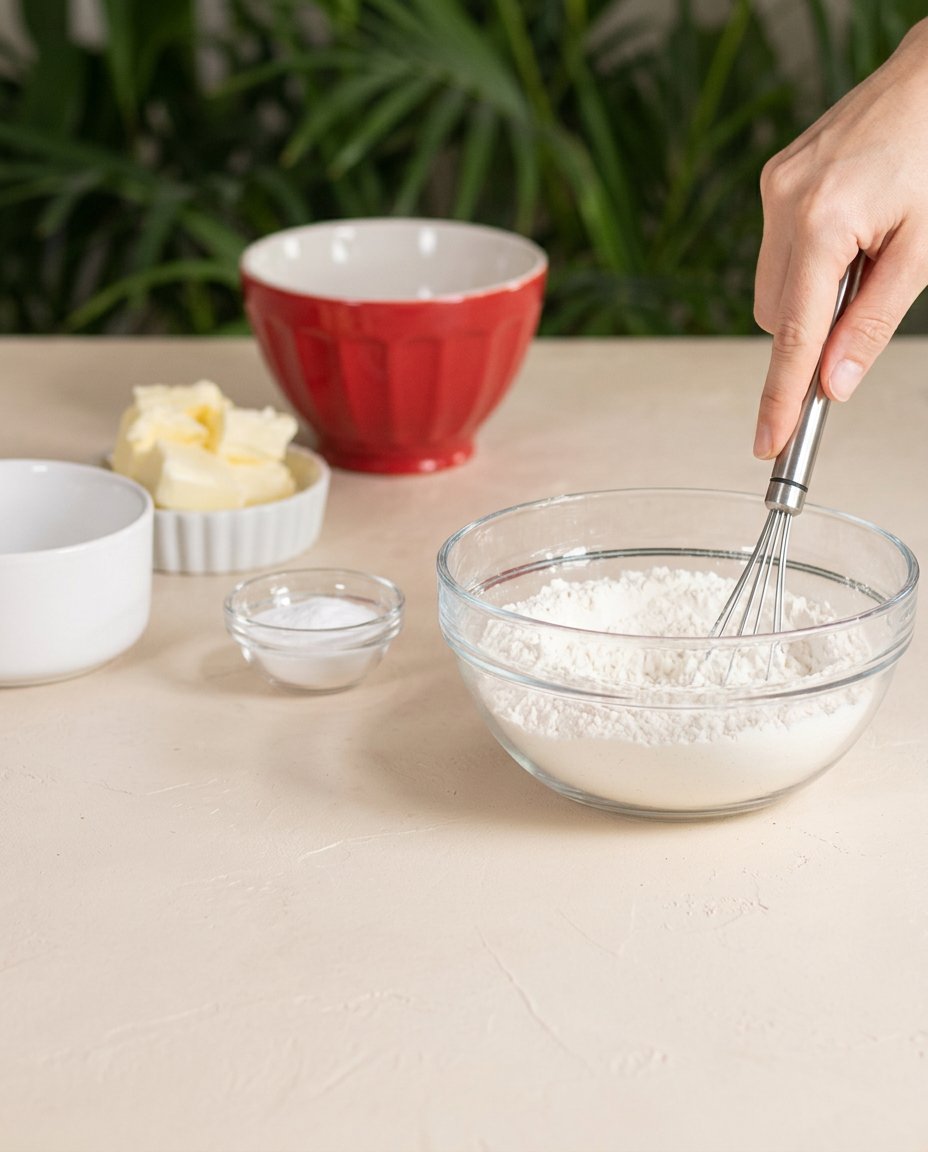
You do not need to make a special trip to the store for this cake. These are the humble ingredients that have lived in Southern pantries for generations. Each one plays a quiet role in creating that heavy, tender crumb we love.
- Unsalted butter provides the rich, traditional foundation that makes every slice melt in your mouth.
- Granulated sugar sweetens the batter while helping to create a beautiful golden crust.
- Whole eggs give the cake its structure and signature golden color when beaten slowly.
- Sour cream adds a lovely moisture that keeps the crumb tender for days.
- Vanilla bean offers those tiny black specks and a deep, authentic fragrance.
- All-purpose flour builds the sturdy body of the cake without making it tough.
| Ingredient | Why It Matters |
|---|---|
| Unsalted Butter | Creates a rich, buttery flavor and soft crumb. |
| Sour Cream | Adds deep moisture and prevents dryness. |
| Vanilla Bean | Infuses real, aromatic vanilla flavor throughout. |
| All-Purpose Flour | Provides the honest structure of a classic cake. |
| Eggs | Help the cake rise naturally and add richness. |
Bringing your ingredients to room temperature is the most important step before you begin mixing. Cold butter and cold eggs will not bind together smoothly, which can lead to a heavy, flat cake. Let them sit on the counter for an hour while you listen to the radio.
Using fresh flour makes a noticeable difference in how your cake rises in the oven. Always fluff your flour with a fork before spooning it gently into your measuring cup. This simple habit keeps your cake light instead of dense.
From Bowl to Pan
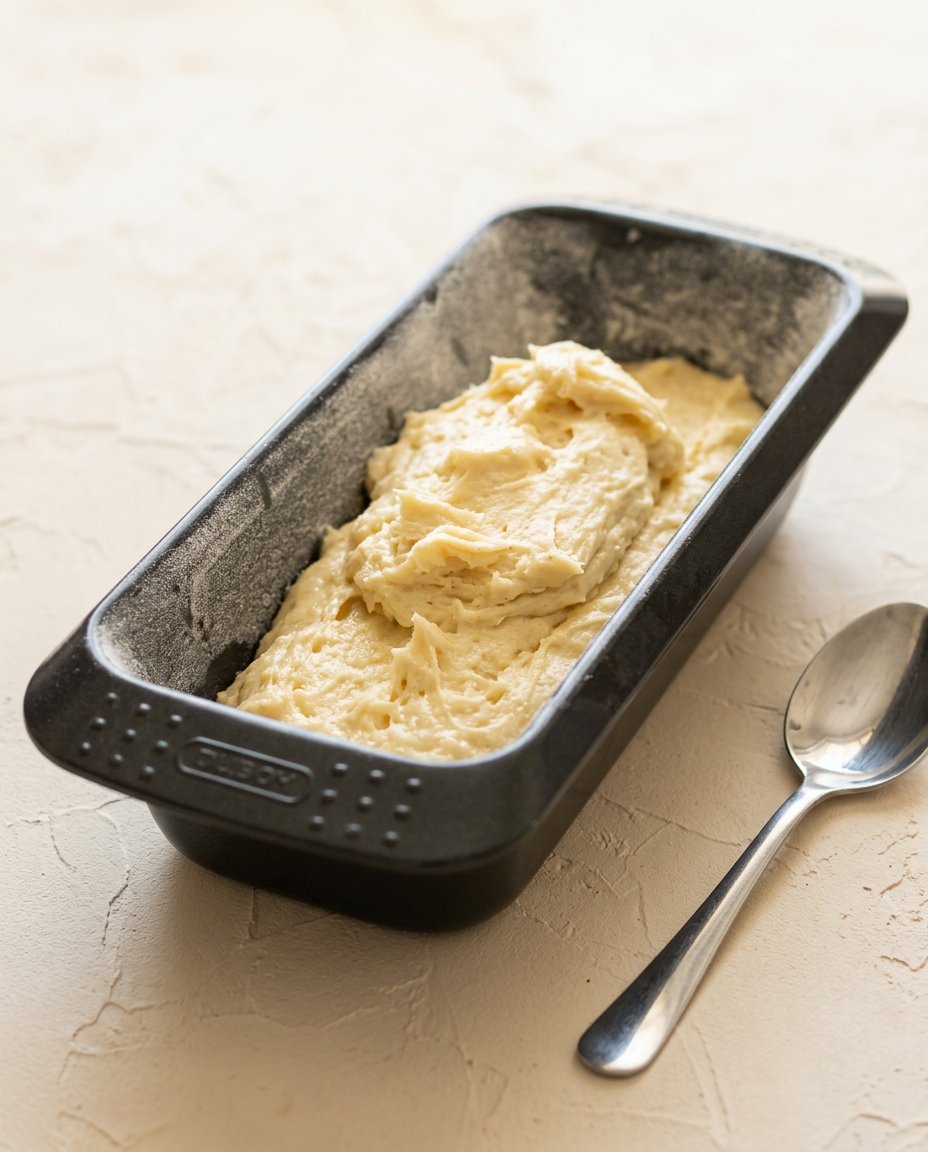
Step 1: Prep Your Oven and Pan
Begin by heating your oven to a quiet, steady 325°F. You want a true heat, so hanging a simple oven thermometer on the center rack is a wise choice. Grease your ten-cup bundt pan thoroughly with a bit of shortening, making sure to coat every single groove so the cake releases without a fuss.
Step 2: Sift the Dry Ingredients
Measure your all-purpose flour, baking soda, and kosher salt carefully into a wide bowl. Sift them together twice using a basic mesh strainer to break up any stubborn clumps. This simple step distributes the leavening evenly, helping your loaf rise with a uniform, soft crumb.
Step 3: Prepare the Vanilla Sugar
Split your fresh vanilla bean down the middle with a small, sharp knife. Carefully scrape the tiny black seeds out and press them directly into your granulated sugar. Use your fingertips to rub the seeds into the sugar until it smells wonderfully fragrant and looks speckled.
Step 4: Mix the Fats and Cream the Sugar
Combine your softened butter and a single tablespoon of vegetable oil in a large mixing bowl. Beat them with a sturdy wooden spoon or hand mixer until the mixture looks smooth and creamy. Slowly pour in the vanilla-infused sugar, creaming the mixture until it turns pale and fluffy like a summer cloud.
Step 5: Incorporate the Eggs One by One
Add your room-temperature eggs to the creamed butter one at a time, mixing gently after each addition. You want each egg to become completely invisible before you crack the next one into the bowl. Take your time here, as rushing this step can cause the batter to separate.
Step 6: Alternating the Flour and Sour Cream
Stir in one-third of your sifted flour mixture using slow, steady strokes. Next, fold in half of the sour cream until the batter looks thick and uniform. Repeat this pattern, finishing with the last portion of flour, to keep the batter smooth and light.
Step 7: Final Fold and Pan Prep
Use a wide silicone spatula to scrape the very bottom and sides of your bowl to catch any hidden flour pockets. The batter should look thick, glossy, and smell heavily of sweet vanilla. Pour it gently into your prepared bundt pan, smoothing the top with the back of a spoon.
Step 8: Bake Your Vanilla Pound Cake to Golden Perfection
Slide the pan onto the center rack of your preheated oven and let it bake undisturbed. After about sixty minutes, the kitchen will fill with a rich, buttery perfume. Check the cake with a wooden skewer; it should come out clean with a few moist crumbs clinging to it.
Step 9: Cool and Invert the Cake
Place the hot bundt pan on a wire cooling rack and let it rest undisturbed for exactly ten minutes. You will see the sides of the cake gently pull away from the warm metal. Place a large plate or rack over the pan, flip it over confidently, and let the golden cake slide out.
Step 10: Glaze and Serve with Love
Let the cake cool completely on your counter before brushing it with warm vanilla simple syrup. Whisk your powdered sugar, milk, and vanilla extract together in a small bowl until it drips like warm honey. Pour this sweet glaze over the cooled cake, letting it run down the sides in beautiful, lazy lines.
Plain-Kitchen Notes
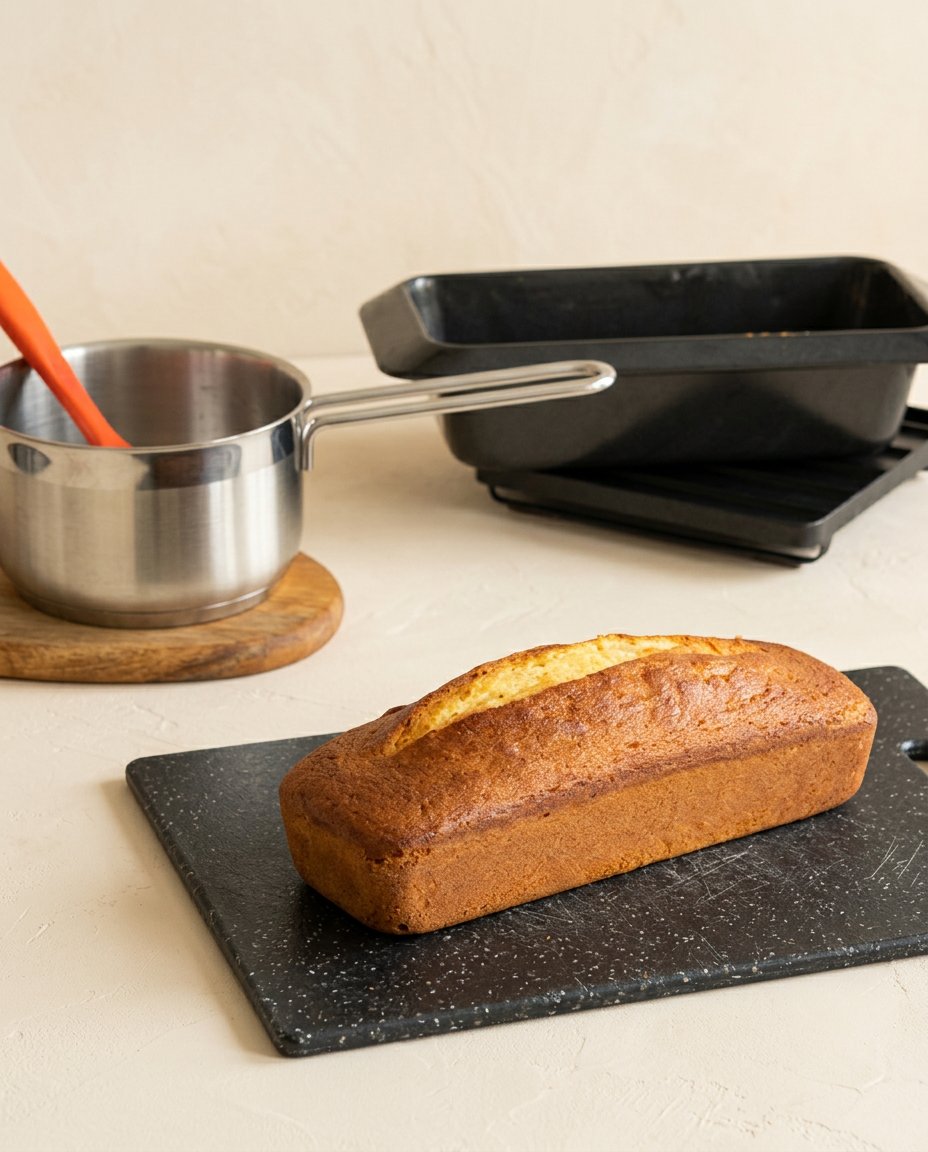
If your cake sinks in the middle after cooling, it is usually because the oven door was opened too early during the baking process. Sudden drafts of cool air can disturb the rising structure before it fully sets. Keep that oven door closed until the last ten minutes of baking to keep your loaf high and beautiful.
To get a truly soft crust, drape a clean kitchen towel over the warm cake while it cools on the rack. The trapped steam will soften the golden outer layer, making every single bite tender. This old-fashioned method works wonderfully for anyone who prefers a delicate edge over a crunchy one.
Spoon your flour into the measuring cup instead of scooping directly from the bag. Scooping packs the flour down, which can add up to a quarter cup of extra flour to your batter. For more classic baking wisdom, read our guide on the lemon pound cake to master pan preparation.
Use unsalted butter so you can control the saltiness of your dessert. Different brands of salted butter contain varying amounts of salt, which can throw off the delicate balance of your batter. Soften your butter slowly on the counter rather than using a microwave to avoid oily spots.
When scraping the vanilla bean, save the empty pod to make your own flavored sugar. Bury the dry pod in a jar of granulated sugar and let it sit for a few weeks. This gives you a continuous supply of aromatic sugar for your morning coffee or Sunday bakes.
If your glaze is too runny, whisk in a tablespoon of confectioner’s sugar at a time to thicken it. If it is too thick to pour, add milk drop by drop. The glaze should coat the back of a spoon smoothly before you drizzle it over the cooled crown.
Frequently Asked Questions
Why is it called pound cake?
Traditional recipes used a literal pound of each core ingredient: flour, butter, sugar, and eggs. This simple ratio made the recipe easy to remember in days when few people owned cookbooks.
What is the secret to a moist pound cake?
Using sour cream or buttermilk is the best way to add lasting moisture to the crumb. Beating your butter and sugar until truly fluffy also traps air, keeping the heavy structure tender.
Why is my pound cake too dense?
This usually happens when cold ingredients are mixed together, causing the batter to curdle. Rushing the creaming step or overmixing the flour can also lead to a heavy, tough texture.
How do you store leftovers?
Keep your cake under a glass dome or wrapped tightly in plastic wrap at room temperature for up to seven days. It actually tastes even better on day two as the vanilla flavor deepens.
How do you freeze pound cake?
Wrap individual cooled slices in plastic wrap, then place them in a sturdy freezer bag for up to three months. Let a slice thaw on the counter for twenty minutes before enjoying it with coffee.
What can you substitute for vanilla extract?
You can use vanilla bean paste, maple syrup, or a splash of almond extract in its place. Use half the amount of almond extract, as its flavor is much stronger than vanilla.
What is the difference between a pound cake and a Bundt cake?
A pound cake is named for its traditional ingredient weight, while a Bundt cake is named after the distinct ring-shaped pan it is baked in. You can bake a pound cake in a Bundt pan or a loaf pan.
Why did my pound cake fall when I took it out of the oven?
This typically occurs if the center was not fully baked when you pulled it from the heat. Always use a long wooden skewer to make sure the middle is completely dry before cooling.
Easy Switch-Ups
For a bright citrus twist, fold two tablespoons of fresh lemon zest into the sugar before creaming the butter. This simple addition cuts through the rich butteriness, offering a clean flavor that pairs beautifully with hot black tea. If you love citrus notes, you should also try our recipe for lemon pound cake 2 which uses a similar traditional method.
You can also add a warm spice note by whisking a teaspoon of ground nutmeg or cinnamon into the flour. This version fills the house with a cozy, autumnal scent that makes Sunday afternoons feel even more special. For those looking to master the science of butter and sugar ratios, checking out the very vanilla pound cake baking technique offers excellent insights into how professional bakers build structure.
If you do not have fresh vanilla beans, a high-quality vanilla bean paste is an excellent alternative. It gives you those beautiful little black specks throughout the crumb without the effort of splitting a pod. You can use an equal amount of paste to replace the extract in both the batter and the glaze.
At the Kitchen Table
There is nothing quite like serving a thick, honest slice of this cake on a quiet afternoon. Place it on a simple ceramic plate alongside a hot cup of black coffee or a tall glass of cold milk. The buttery richness of the cake balances beautifully with the bitter notes of a good roast.
If you are welcoming neighbors over, serve each slice with a generous dollop of our homemade vanilla whipped cream. You can also pair it with fresh summer berries like ripe strawberries or juicy blackberries to add a touch of color. For another wonderful option, try serving it alongside our perfect buttermilk vanilla cake for a sweet double-vanilla spread.
During the warmer months, lightly toast a slice in a warm skillet with a tiny pat of butter. This creates a beautifully caramelized edge that tastes wonderful with a scoop of peach ice cream. It is a simple way to turn a humble counter cake into a memorable summer dessert.
Keep This One Close
Some recipes are meant to be kept in a drawer, but this one belongs on your kitchen counter under a glass dome. It is a reliable friend that comforts you on busy days and sweetens your quiet mornings. I hope this cake brings the same warmth to your home that it has brought to Southern kitchens for decades.
When you bake this, take your time and enjoy the simple process of creaming butter and sifting flour. If you want to expand your baking collection, be sure to try our classic vanilla cake recipe for your next big family celebration. It carries that same honest, comforting flavor we love.
We would love to see your beautiful golden bakes. Share your pictures with our community on Facebook or save this recipe on Pinterest for your next Sunday afternoon baking session. Let us keep the tradition of plain, honest baking alive together.