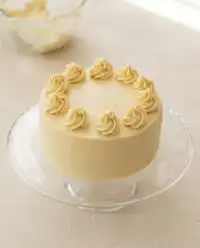
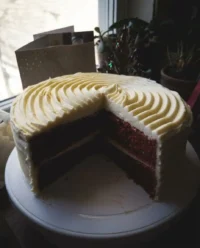
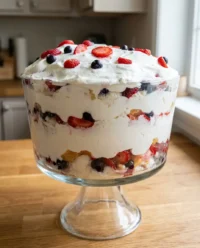
I used to think vanilla cake was just the boring cousin of chocolate—often dry, bland, and forgettable. Then I discovered the magic of combining butter for rich flavor with oil for lasting moisture, and it was a total game-changer. That one simple switch turned a basic staple into a velvety, aromatic masterpiece that I can’t stop eating.

This recipe uses the reverse creaming method (don’t worry, it is super easy!) to guarantee a tender, plush crumb every single time. It is the perfect balance of sturdy structure and melt-in-your-mouth softness, ready for your favorite frosting or a simple glaze.
Why This Recipe is a Keeper
The Best of Both Worlds
Most recipes force you to choose between the flavor of butter and the moisture of oil. This one uses both. You get that nostalgic, creamy butter taste with the tender, stay-fresh texture that only oil can provide. It is a simple flavor pop that makes a huge difference.
Velvety Texture
We use the reverse creaming method here. Instead of creaming butter and sugar first, we mix the butter into the dry ingredients until it looks like sand. This coats the flour particles with fat, limiting gluten development. The result? A cake that is incredibly soft and plush, not tough or bready.
Reliable Results
Because we measure by weight (grab your kitchen scale!), this recipe works. It removes the guesswork of “scoop and sweep” measuring, giving you a consistent, bakery-quality treat right in your own kitchen.
Print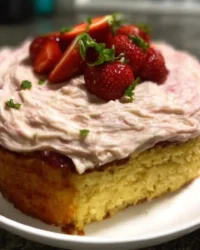
Vanilla Cake
- Total Time: 55 mins
- Yield: 1 three-layer cake
- Diet: Vegetarian
Description
This bakery-style vanilla cake uses a combination of butter and oil to achieve the perfect balance of rich flavor and lasting moisture. By employing the reverse creaming method, you can easily create a velvety, professional-grade crumb that pairs beautifully with a cloud-like buttercream frosting.
Ingredients
- Cake flour
- Granulated sugar
- Baking powder
- Baking soda
- Salt
- Unsalted butter, softened
- Canola oil
- Whole milk
- Large eggs
- Pure vanilla extract or vanilla bean paste
- Egg whites
- Powdered sugar
Instructions
- Preheat oven to 335ºF (168ºC) and grease three 8-inch cake pans with cake goop or pan release.
- Combine 4 ounces of milk with the canola oil in one container, and whisk the remaining 6 ounces of milk with the eggs and vanilla in another.
- In a stand mixer, blend the cake flour, sugar, baking powder, baking soda, and salt on the lowest speed.
- Slowly add softened butter chunks to the dry ingredients and mix until the texture looks like coarse sand.
- Pour the milk and oil mixture into the flour mixture and beat on medium speed for exactly 2 minutes, then scrape down the bowl.
- Turn the mixer to low and slowly stream in the milk and egg mixture, mixing only until combined.
- Divide the batter evenly into the three pans and bake for approximately 30 minutes until a toothpick comes out clean.
- For the frosting, whip egg whites and powdered sugar on high for 5 minutes, then add vanilla and salt.
- Add chunks of softened butter and whip on high for 8–10 minutes until the frosting is white and light.
Notes
For the most consistent results, always use a kitchen scale to measure your ingredients by weight rather than volume. If your buttercream appears curdled after adding the butter, simply continue whipping on high speed; it will eventually emulsify into a smooth, silky consistency. Using a lower oven temperature of 335ºF helps the cakes bake flat, reducing the need for leveling before frosting.
- Prep Time: 25 mins
- Cook Time: 30 mins
- Category: Dessert
- Method: Reverse Creaming
- Cuisine: American
The Flavor Stars
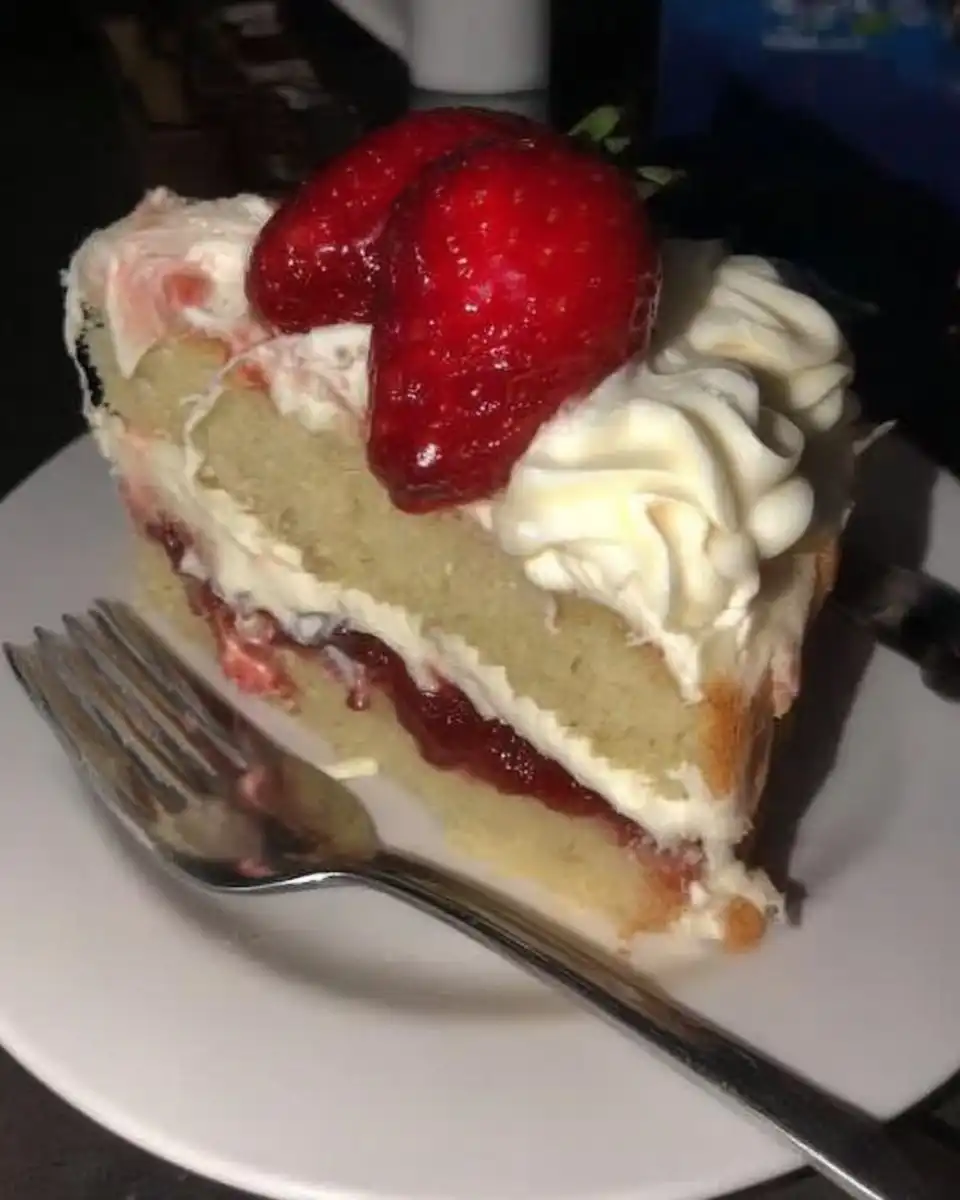
Cake Flour
This is non-negotiable for that high-end bakery texture. Cake flour has less protein than all-purpose flour, which means less gluten forms. This creates a lighter, tighter crumb that feels like silk on your tongue.
Unsalted Butter & Canola Oil
Here is our dynamic duo. The butter brings the flavor we all crave, while the oil keeps the cake moist for days. Make sure your butter is softened to room temperature so it blends into the flour properly.
Vanilla Extract
Since this is a vanilla cake, use the good stuff! A high-quality pure vanilla extract or vanilla bean paste provides those beautiful black specks and a deep, floral aroma that makes this simple bake feel special.
Room Temperature Eggs & Milk
Temperature matters! Cold ingredients will shock the batter and can lead to a dense cake. Let your eggs and milk sit out a bit so they emulsify smoothly into the batter.
How to Make It
Step 1: Prep and Temp
Start by heating your oven to 335ºF (168ºC). It is a precise temperature, but it helps the cake bake flat and even. Grease three 8-inch cake pans with cake goop or pan release. Make sure your milk, eggs, and butter are at room temperature. Combine 4 ounces of milk with the oil in one cup, and the remaining 6 ounces of milk with the eggs and vanilla in another. Whisk the egg mixture gently.
Step 2: The Reverse Creaming
Place your dry ingredients—cake flour, sugar, baking powder, baking soda, and salt—into the bowl of a stand mixer. Mix on the lowest speed for a few seconds to blend. Slowly add chunks of your softened butter. Let it mix until the texture looks like coarse sand. This step coats the flour and promises a tender crumb.
Step 3: Add Liquids and Structure
Pour the milk and oil mixture into the sandy flour mix all at once. Mix on medium speed for exactly 2 full minutes. Set a timer! This develops the cake’s structure. Scrape the bowl down well—don’t skip this, or you’ll find lumps of flour later. Then, turn the mixer to low and slowly stream in the milk and egg mixture. Mix just until combined.
Step 4: Bake to Perfection
Divide the batter evenly between your three pans (I use a scale for this, too). Bake for about 30 minutes. Use the “done test”: a toothpick should come out clean or with just a few moist crumbs, and the top should spring back when gently touched. Let them cool in the pans for 10 minutes before flipping them out onto a rack.
Step 5: Easy Buttercream Frosting
Whip the egg whites and powdered sugar on high for 5 minutes. Add vanilla and salt. Toss in chunks of softened butter and whip again. It might look curdled at first—just keep going! Whip on high for 8–10 minutes until it transforms into a white, light cloud. For extra smooth frosting, switch to a paddle attachment and mix on low for 15 minutes to push out air bubbles.
Jasmine’s Flavor Tips
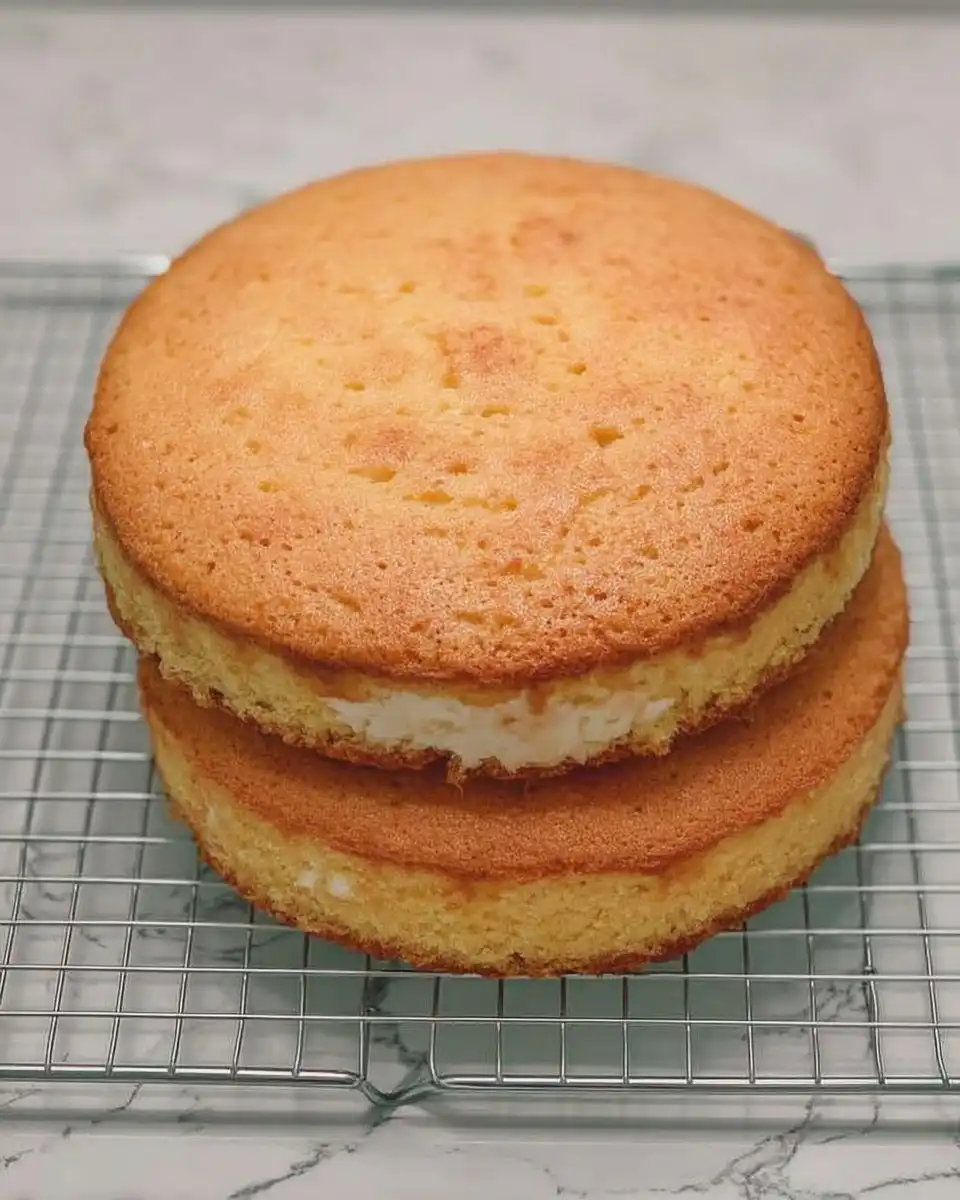
Trust the Scale
Baking is chemistry, and accuracy is your best friend. Using a scale guarantees you have the exact ratios needed for that tender crumb. If you try to convert this to cups, the texture just won’t be the same. It is a small tool that makes a massive difference in your baking success.
Don’t Fear the Curdle
When making the buttercream, there is a moment where it looks like a separated mess after you add the butter. Do not panic! Keep the mixer running on high. It will come together into a smooth, creamy emulsion. If you want to see the science behind these high-ratio cakes, the Sugar Geek Show is a fantastic resource for deep dives.
Room Temperature is Real
If you use cold milk or eggs, your batter might break or bake unevenly. If you forgot to take them out, sit the eggs in warm water for 5 minutes and microwave the milk for 10-15 seconds. This helps the emulsion form properly, which is key for our classic favorites.
Whitening the Frosting
Butter naturally has a yellow tint. If you want a stark white frosting, add a *tiny* drop of purple food coloring. Purple cancels out yellow on the color wheel, brightening up your buttercream instantly.
Make It Yours
Confetti Pop
Want to turn this into a celebration cake? Fold in 1/2 cup of rainbow sprinkles (jimmies work best, not nonpareils) into the batter right at the end. It adds a colorful visual pop without changing the texture.
Almond Twist
Swap half of the vanilla extract for almond extract. The nutty aroma pairs beautifully with the buttery crumb and makes it taste like a wedding cake. It is a simple swap that makes the flavor profile feel entirely new.
Citrus Zest
Rub fresh lemon or orange zest into the sugar before you start mixing. The oils from the zest infuse the sugar, giving the whole cake a bright, aromatic lift that cuts through the richness. If you love citrusy cakes, you might also enjoy our yellow cake with chocolate frosting for a different kind of classic combo.
Simple Serving Ideas
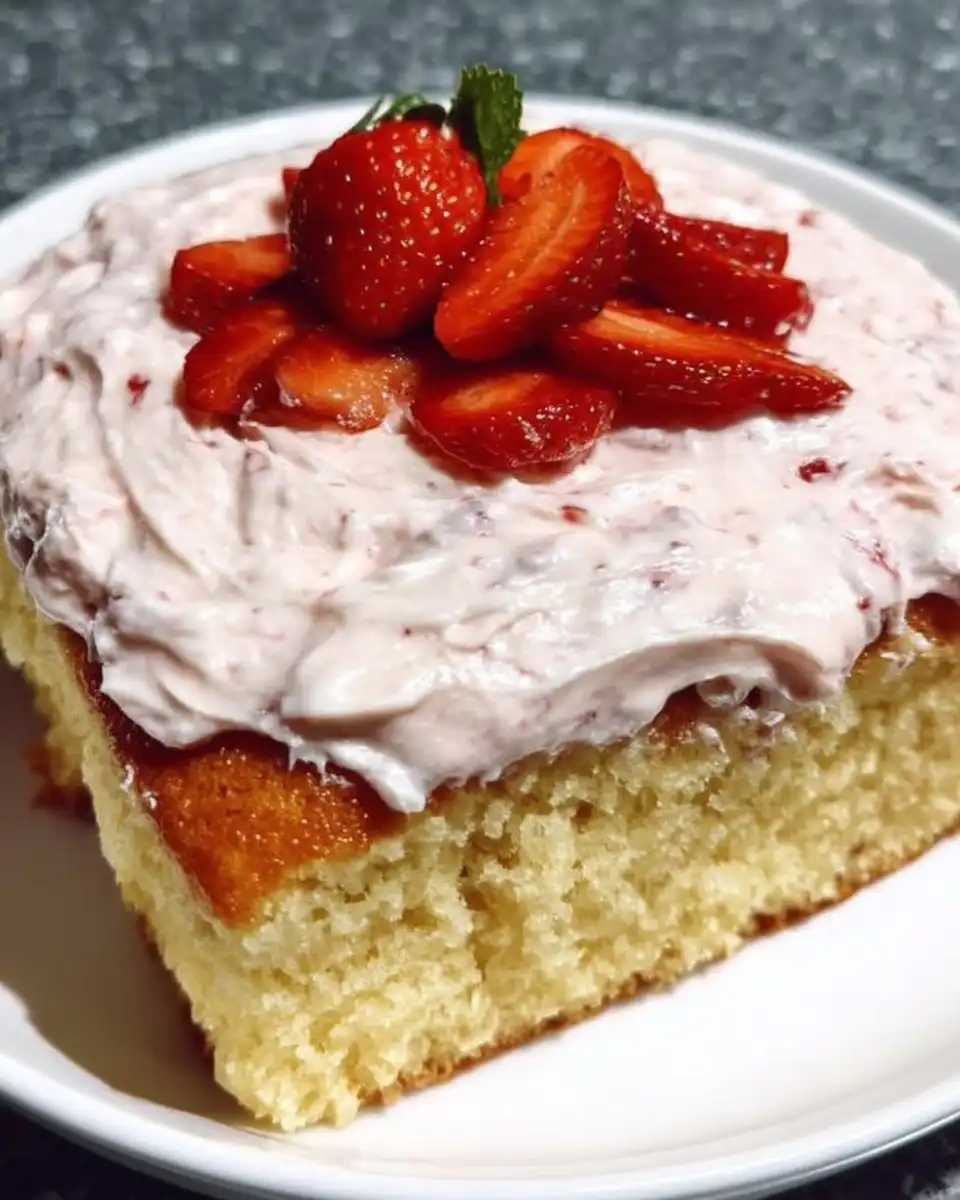
Fresh Berry Contrast
Serve a slice with fresh raspberries or strawberries. The tartness of the fruit cuts through the sweet, rich buttercream beautifully. It adds a fresh flavor pop that makes the cake feel lighter.
Edible Flowers
For a stunning presentation that requires zero piping skills, simply press edible flowers (like pansies or violas) into the frosting. It looks elegant and organic. You can see similar styling ideas in our vintage cake post.
Coffee Pairing
The rich vanilla notes in this cake make it the perfect companion for a strong cup of coffee or an Earl Grey tea. The warmth of the beverage melts the buttercream on your tongue for a fantastic sensory experience.
The Sweet Spot
I hope this recipe changes your mind about vanilla cake being “plain.” With the right balance of butter, oil, and technique, it becomes a standout dessert all on its own. It is simple enough for a Tuesday night but special enough for a birthday. If you are looking for another crowd-pleaser to add to your rotation, definitely check out my old fashioned chocolate cake next.
I’d love to see how your cakes turn out! Did you try the purple food coloring trick? Tag me in your photos on Instagram and Pinterest—I love seeing your baking wins!