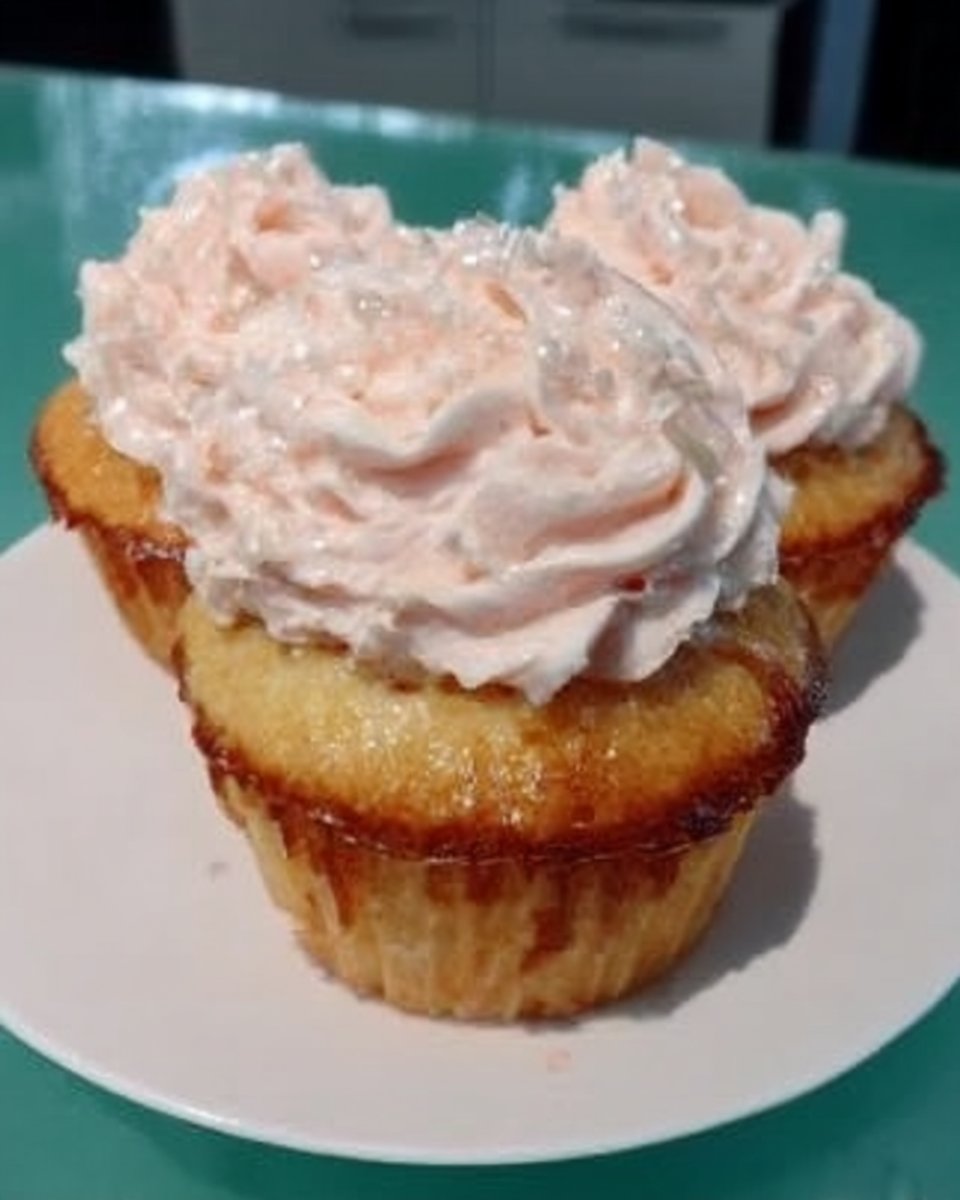
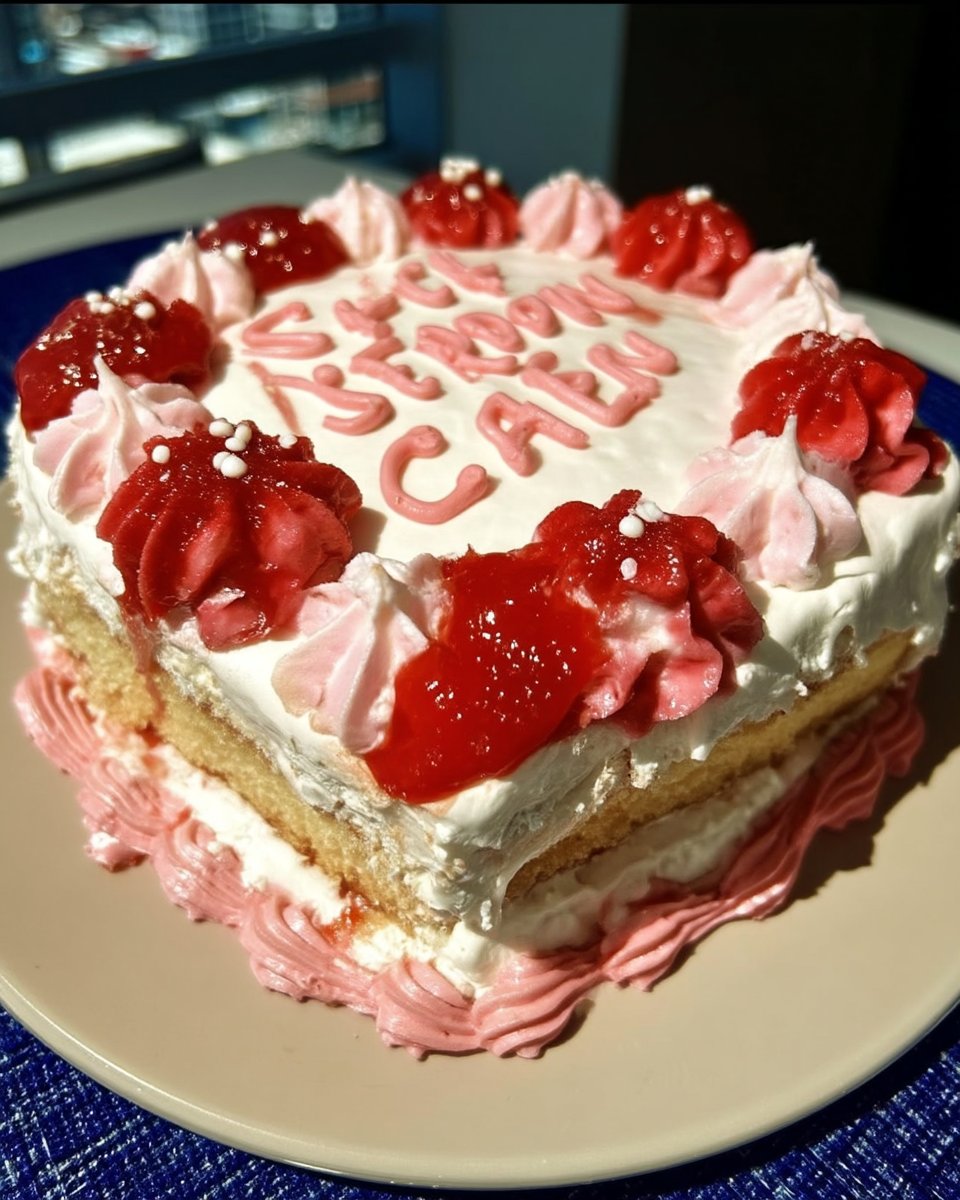
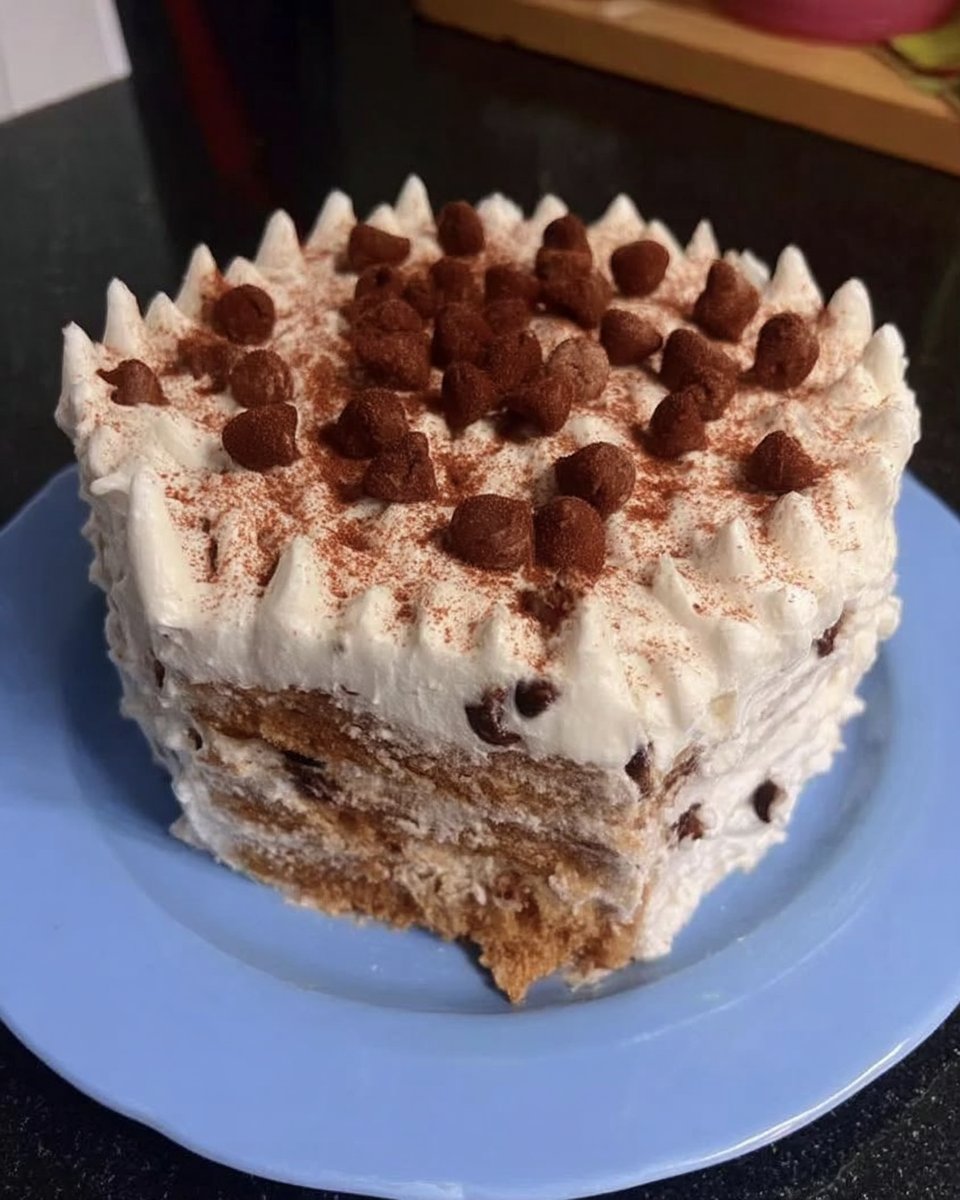
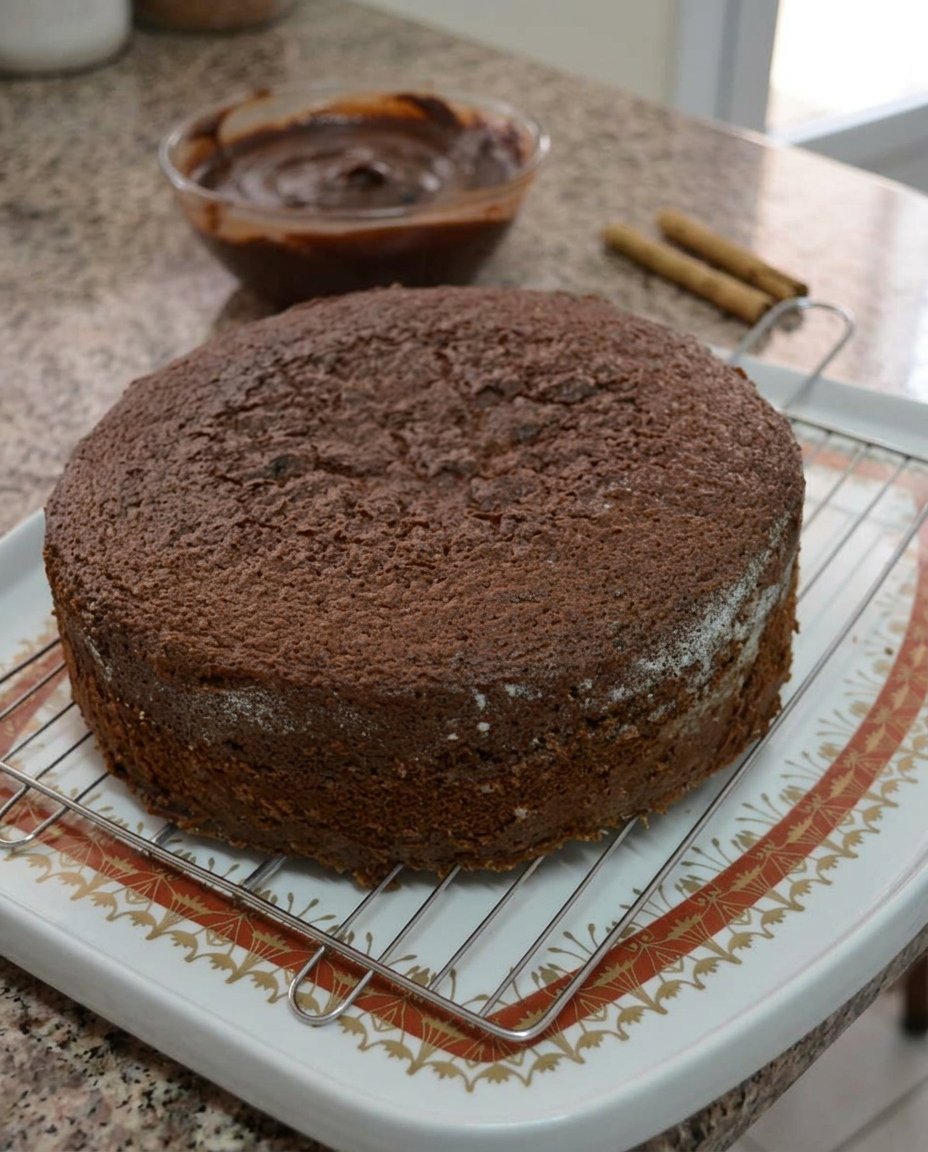
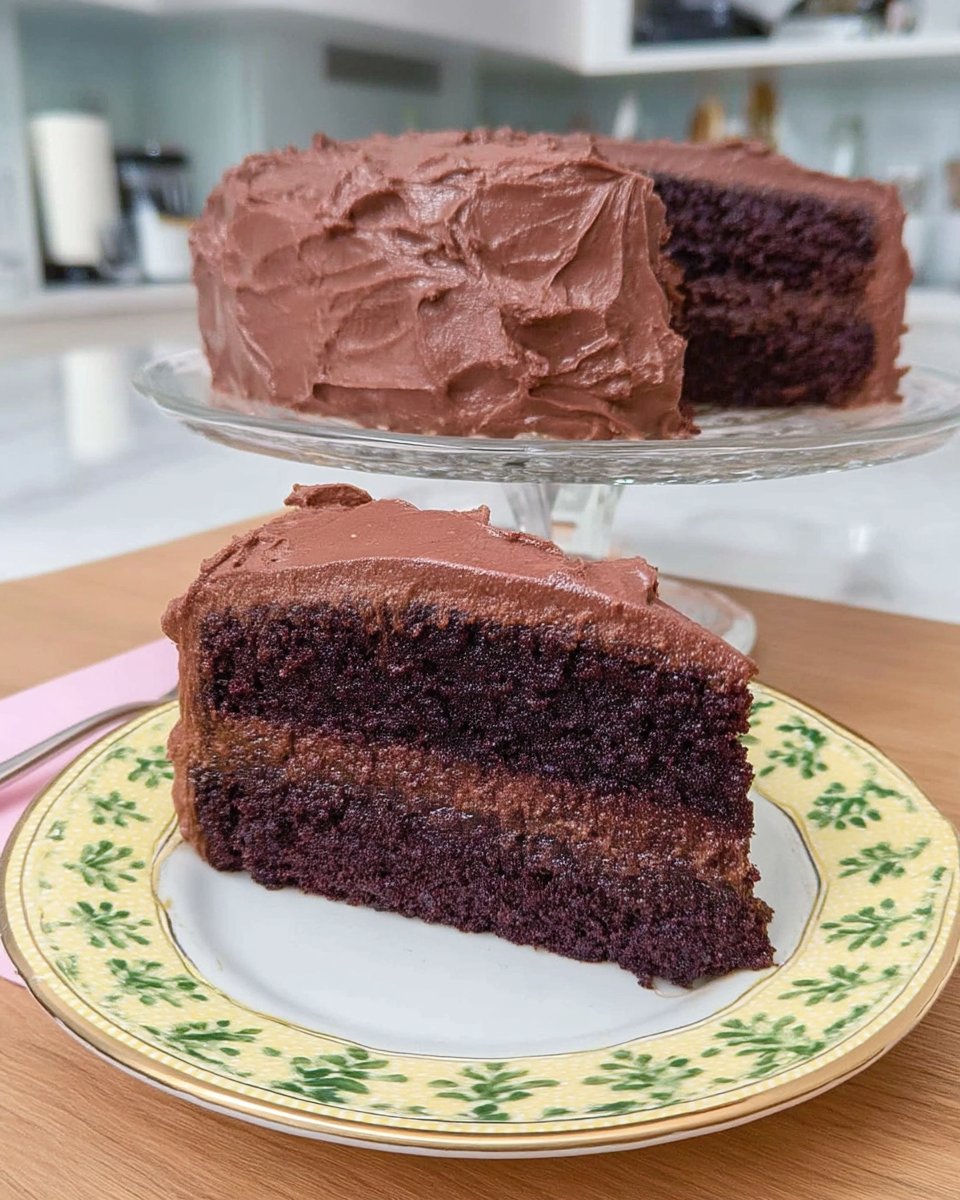
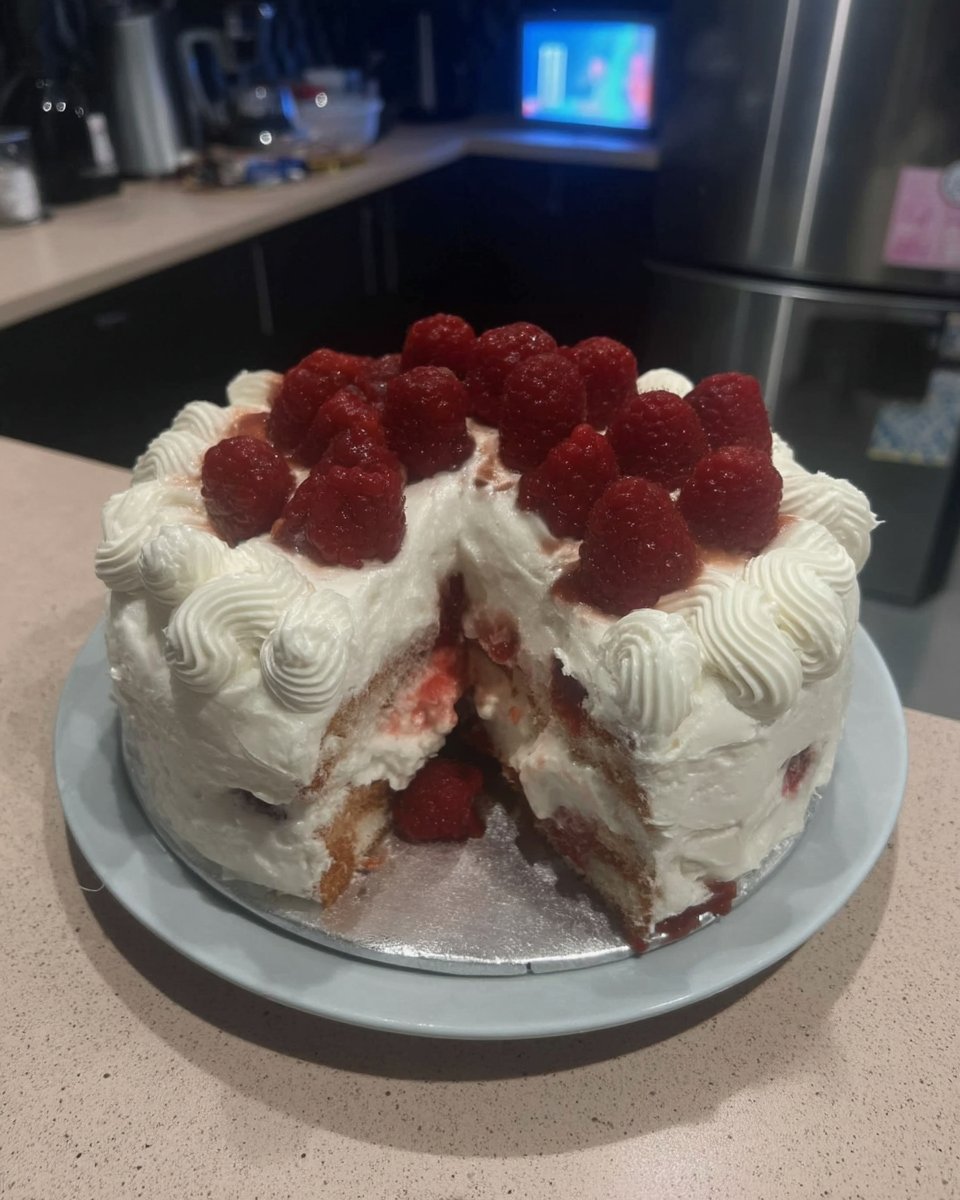
My grandmother always said that a house isn’t a home without the smell of a yellow cake in the oven. She didn’t use fancy tools or expensive imports, just fresh eggs and good butter from the local market. This recipe is a tribute to those quiet afternoons spent watching her measure flour by the cupful with a steady hand and a warm heart.

Making a homemade cake from scratch is a simple joy that every baker should experience at least once. This particular recipe is my go-to because it is reliable, sturdy enough for frosting, and has that honest vanilla flavor we all crave. It is a humble masterpiece that truly tastes better the next day once the flavors have had time to settle and the crumb becomes even more tender.
The Honest Joy of Baking from Scratch
There is something deeply satisfying about pulling a warm cake out of the oven knowing you made it with your own two hands. This recipe stripped away the fluff and focused on what matters: a tender crumb and a buttery finish. It is the kind of cake that doesn’t need a special occasion to be celebrated, though it certainly makes any birthday feel more personal and warm.
You will love how forgiving this batter is, making it perfect for beginners or those of us who just want a reliable result every time. It uses basic pantry staples that you likely already have on hand, so there is no need for a frantic trip to the grocery store. Most importantly, it reminds us that the best things in life are often the simplest ones, and a thick slice of cake can solve many of life’s small worries.
This cake is built on the principle of reliability. You don’t need to be a professional to get a beautiful rise or a soft texture. It is a workhorse recipe that stands up to heavy frosting or a simple dusting of powdered sugar just as well. When you bite into it, you get that authentic taste that simply cannot be found in a box mix.
Print
Homemade Cake
- Total Time: 50 mins
- Yield: 12 servings
- Diet: Vegetarian
Description
A timeless recipe for a tender, buttery yellow cake topped with a classic vanilla buttercream. This reliable dessert focuses on simple pantry staples to create a soft crumb and an authentic flavor that only scratch-baking can provide.
Ingredients
- 1 cup Unsalted Butter, softened
- 2 cups Granulated Sugar
- 4 Large Eggs, room temperature
- 3 cups Cake Flour
- 1 cup Whole Milk
- 2 tsp Vanilla Extract
- 1 tbsp Baking Powder
- 1/2 tsp Salt
- 1/2 cup Unsalted Butter, softened (for frosting)
- 3 cups Confectioners’ Sugar
- 2–3 tbsp Heavy Cream
Instructions
- Preheat your oven to 350°F (175°C), grease two 9-inch round cake pans, and line the bottoms with parchment paper.
- In a large bowl, cream together the softened butter and granulated sugar for approximately 5 minutes until the mixture is pale and fluffy.
- Beat in the eggs one at a time, ensuring each is fully incorporated before adding the next, then stir in the vanilla extract.
- In a separate medium bowl, whisk together the cake flour, baking powder, and salt.
- Gradually add the dry ingredients to the butter mixture, alternating with the milk; begin and end with the flour mixture and mix on low speed until just combined.
- Divide the batter evenly between the two prepared pans and bake for 20 to 30 minutes, or until a toothpick inserted into the center comes out clean.
- Allow the cakes to rest in their pans for 10 minutes before turning them out onto a wire rack to cool completely.
- To make the frosting, beat the remaining butter until creamy, then slowly add confectioners’ sugar and heavy cream until smooth and spreadable.
- Place one cake layer on a plate, spread with a third of the frosting, top with the second layer, and cover the entire cake with the remaining buttercream.
Notes
To ensure the most tender crumb, be careful not to over-mix the batter once the flour is added. Using room temperature ingredients is crucial for a smooth emulsion and an even rise in the oven.
- Prep Time: 20 mins
- Cook Time: 30 mins
- Category: Dessert
- Method: Baking
- Cuisine: American
Simple Ingredients for a Perfect Crumb
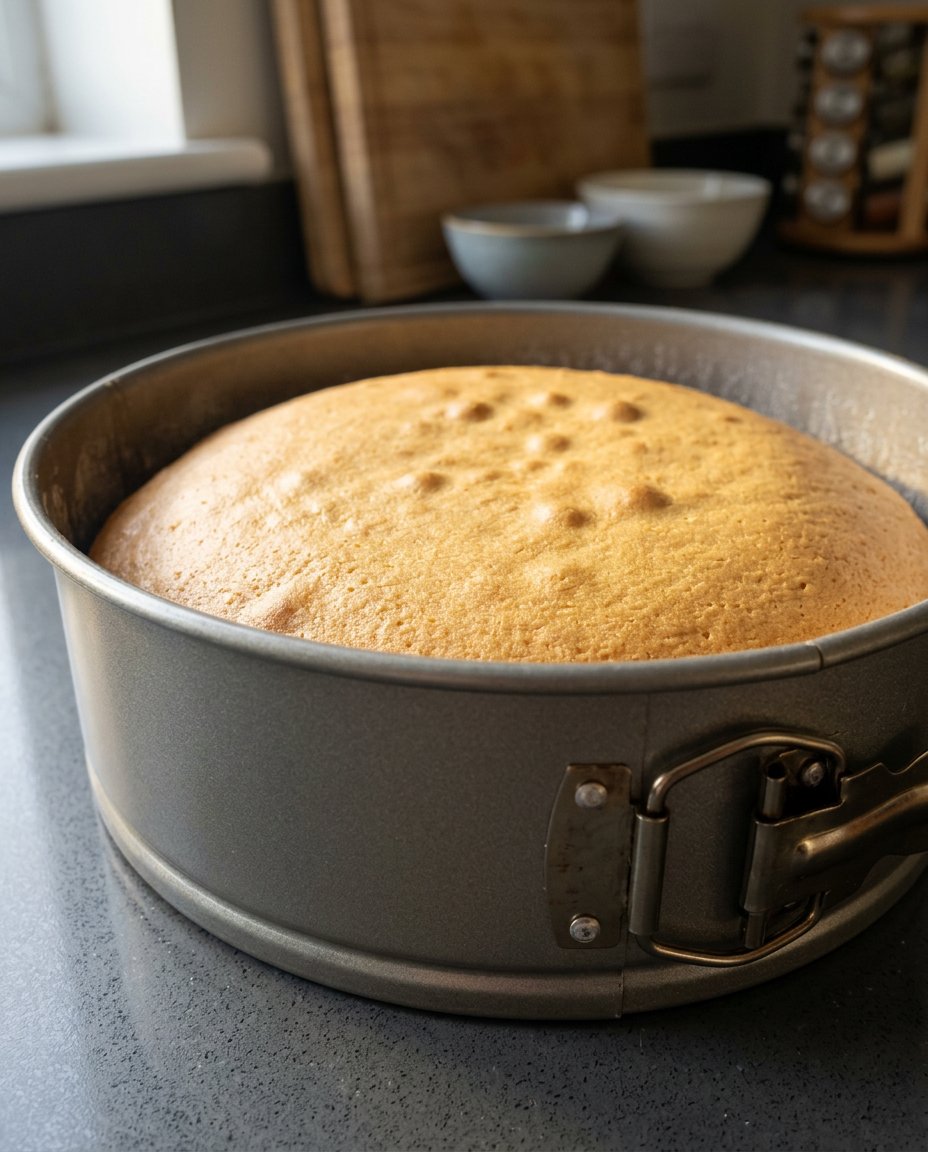
To make a great homemade cake, you only need a few basic items from your pantry. Using quality staples ensures that the honest flavors of butter and vanilla really shine through in every bite without being masked by artificial additives.
- Unsalted Butter: This provides the fat and flavor; make sure it is soft so it creams well with the sugar. Using unsalted butter allows you to control the saltiness of your dessert perfectly.
- Granulated Sugar: Essential for sweetness and creating that light, airy texture when beaten with the butter. It helps provide the structure that keeps the cake from being too dense.
- Large Eggs: Use room temperature eggs to help them incorporate smoothly into the batter without curdling the fats. They provide the lift and the rich color we look for in a classic yellow cake.
- Cake Flour: This low-protein flour is the secret to a soft, tender crumb that isn’t too heavy. If you only have all-purpose, you can substitute it, but the texture will be slightly more bread-like.
- Whole Milk: Adds moisture and richness to the crumb, ensuring the cake stays hydrated even after a few days on the counter.
- Vanilla Extract: A generous amount provides that classic, warm aroma. Always use a good quality extract rather than imitation for the best results.
- Baking Powder: This is your primary leavening agent, responsible for the rise and the light feel of the finished layers.
- Salt: Just a pinch is needed to balance the sweetness and help the other flavors pop.
Easy Steps to Success
Step 1: Prep Your Kitchen
Start by preheating your oven to 350°F (175°C). Grease two 9-inch round pans well and line the bottoms with parchment paper to make sure your layers come out cleanly without any sticking. Dust the sides with a bit of flour and tap out the excess.
Step 2: Cream Butter and Sugar
In a large bowl, beat the softened butter and granulated sugar together for about five minutes. You want the mixture to look pale and very fluffy. This step is vital because it incorporates air into the fat, which helps the cake rise.
Step 3: Add Eggs and Vanilla
Mix in the eggs one at a time, making sure each one is fully blended before adding the next. This prevents the batter from breaking. Once the eggs are in, stir in the vanilla extract to distribute that warm aroma throughout the base.
Step 4: Combine Dry and Wet Ingredients
Whisk your cake flour, baking powder, and salt together in a separate medium bowl. Gradually add this to your butter mixture, alternating with the milk. Start and end with the flour, and beat on low speed just until everything is combined. Over-mixing at this stage will make the cake tough.
Step 5: Bake the Layers
Divide the batter evenly between your two prepared pans. Bake for 20 to 30 minutes, checking the progress at the 15-minute mark. Check the center with a toothpick; it should come out with just a few moist crumbs attached and no wet batter.
Step 6: Cool Completely
Let the cakes rest in their pans for ten minutes to firm up. Turn them out onto a wire rack to cool the rest of the way. They must be completely cool to the touch before you even think about starting the frosting process.
Step 7: Whip the Frosting
In a clean bowl, beat the remaining butter until it is creamy and pale. Slowly add the confectioners’ sugar and heavy cream in stages. Mix until it is smooth and spreadable, adding a tiny bit more cream if it feels too stiff to move easily with a spatula.
Step 8: Assemble and Frost
Place one layer on your serving plate and spread about a third of the frosting over the top. Gently place the second cake on top and cover the top and sides with the remaining buttercream. Don’t worry about making it look perfect; a rustic look is part of the charm.
Jesse’s Simple Tips for Success
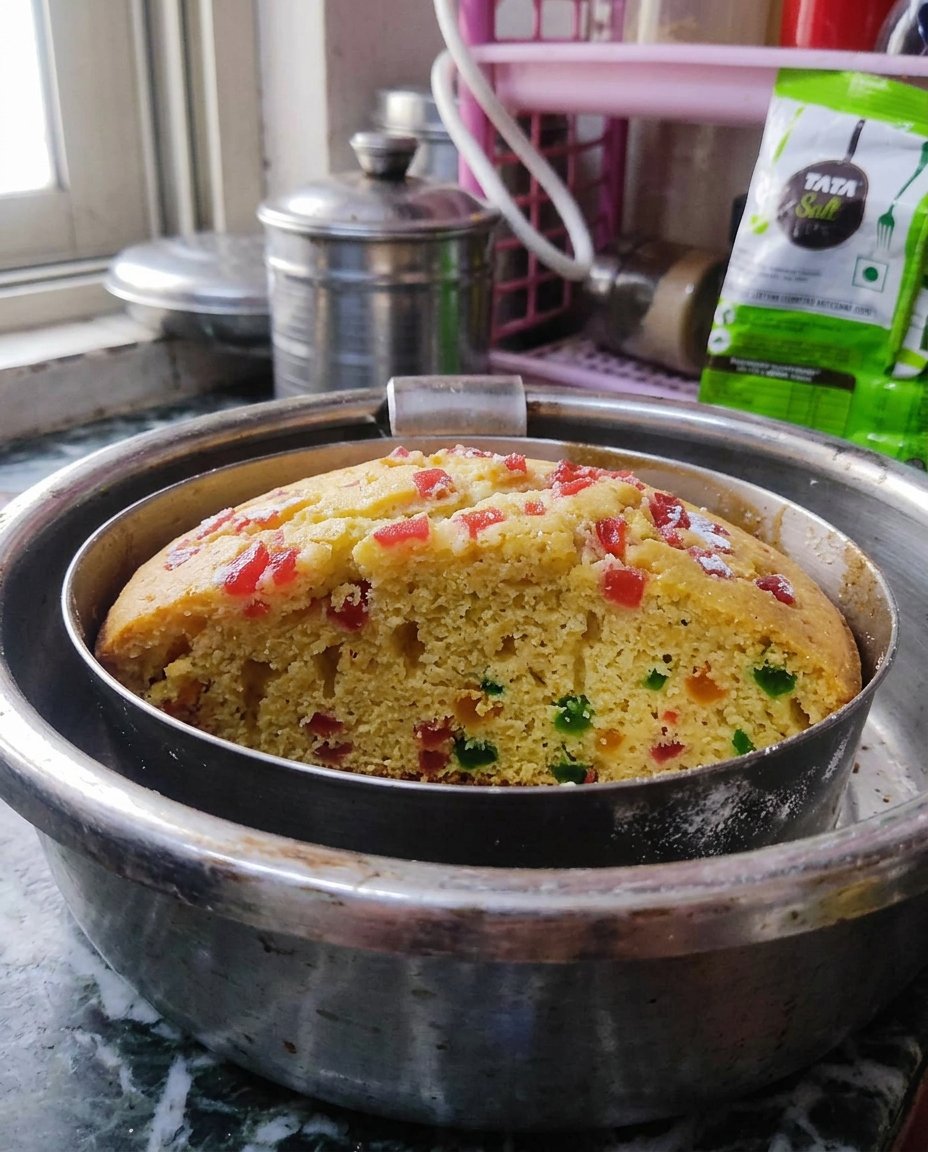
One of my favorite secrets is to always use room temperature ingredients, especially the butter and milk. When everything is at the same temperature, the batter stays smooth and the cake rises much more evenly in the oven. If you are in a hurry, you can place cold eggs in a bowl of warm water for a few minutes to take the chill off.
For those who are just starting out, taking a look at our vanilla-cake-recipe can give you extra confidence with these basic steps. Also, remember that a homemade cake is very forgiving—even if the top isn’t perfectly level, the frosting will hide any minor mistakes you might have made. For more help with the fundamentals of a good sponge, this guide to vanilla cake is a wonderful resource for any home baker looking to understand the science behind the simple ingredients.
Simple Swaps for New Flavors
You can easily change the personality of this recipe by swapping out a few basic ingredients. If you want a deeper, more rustic flavor, try using light brown sugar for half of the granulated sugar to give the crumb a slight caramel note. You can also replace the whole milk with buttermilk if you prefer a bit of tang and an even softer texture.
If you are looking for something even more straightforward for a busy weekday, our simple-cake is a great alternative for a quick afternoon treat. You could even add some fresh lemon zest or a handful of sprinkles to the batter to turn this into a celebration cake for the kids. Another easy change is using almond extract instead of vanilla to give the cake a more professional, bakery-style scent.
Comfort Time and Simple Enjoyment
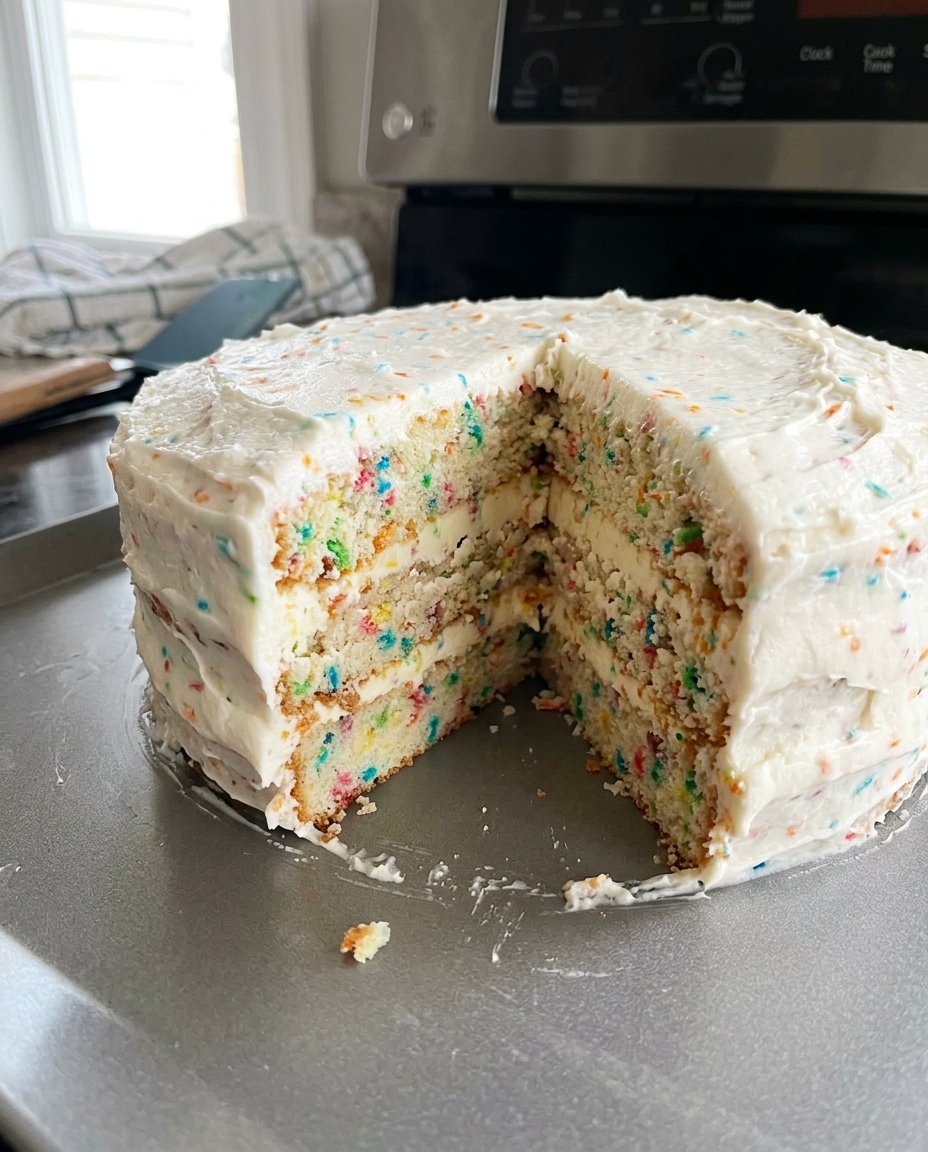
This cake is best enjoyed at room temperature, perhaps with a tall glass of cold milk or a warm cup of coffee in the morning. I like to serve thick slices on small dessert plates, letting the buttercream shine as the star of the show. It is the perfect centerpiece for a family Sunday dinner or a quiet birthday celebration at the kitchen table.
If you want to try a different style of serving that feeds a crowd more easily, look at our yellow-cake-recipe for inspiration on making sheet cake versions. No matter how you slice it, the important thing is to share it with people you care about. This cake truly tastes better the next day, so do not be afraid to bake it a day in advance and let the flavors settle under a cake dome.
Simple Truth and Comfort Baking
Baking doesn’t have to be complicated to be meaningful. This homemade cake proves that when you start with honest ingredients and a bit of patience, the result is always worth the effort. It brings a sense of accomplishment and a touch of warmth to any kitchen, reminding us of the simple joys found in our own homes.
For a slightly different take on this classic, you might enjoy our classic-vanilla-butter-cake. I hope this recipe becomes a staple in your house just as it has in mine. Come share your baking photos with me on Facebook, Instagram, or Pinterest. Happy baking, and remember that simple is usually best.