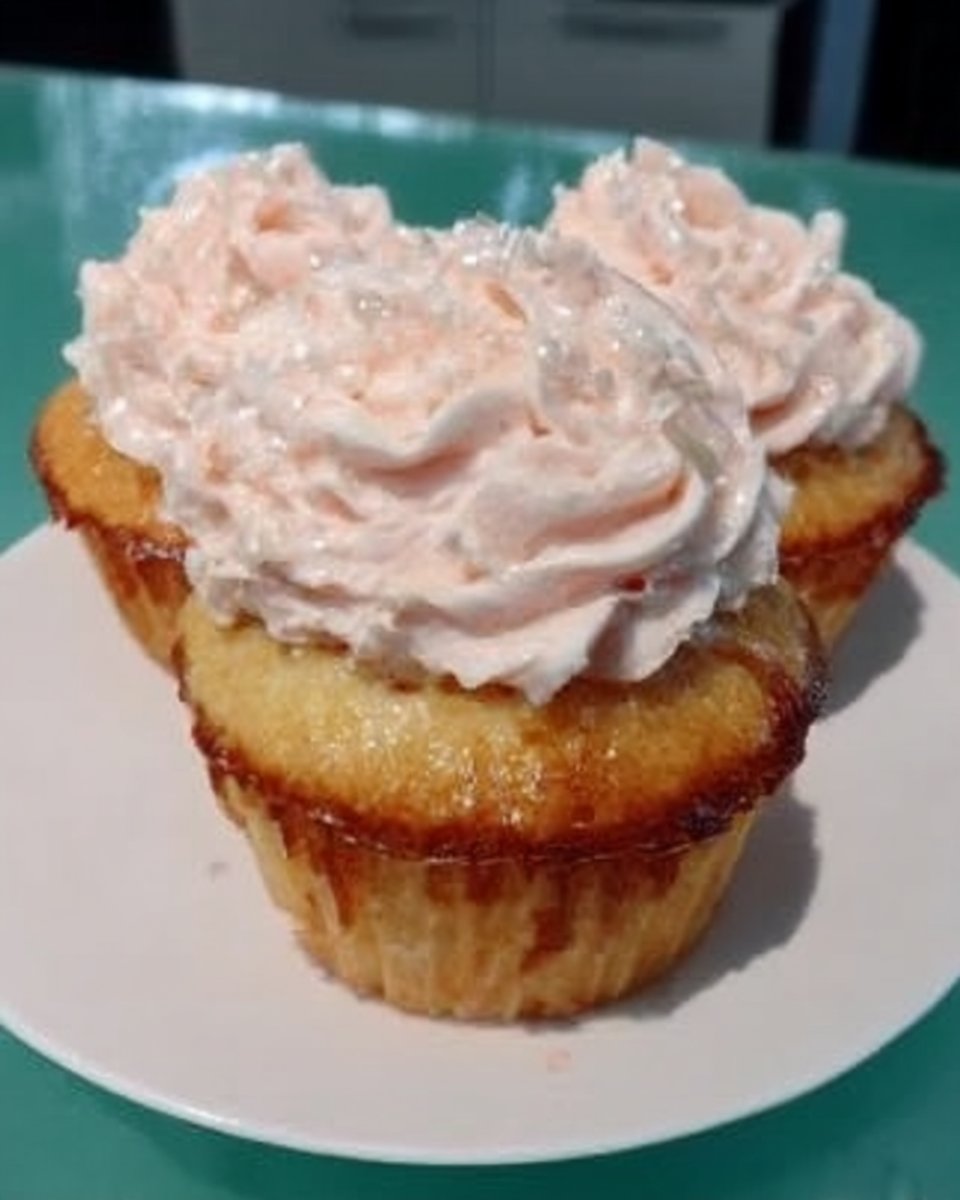
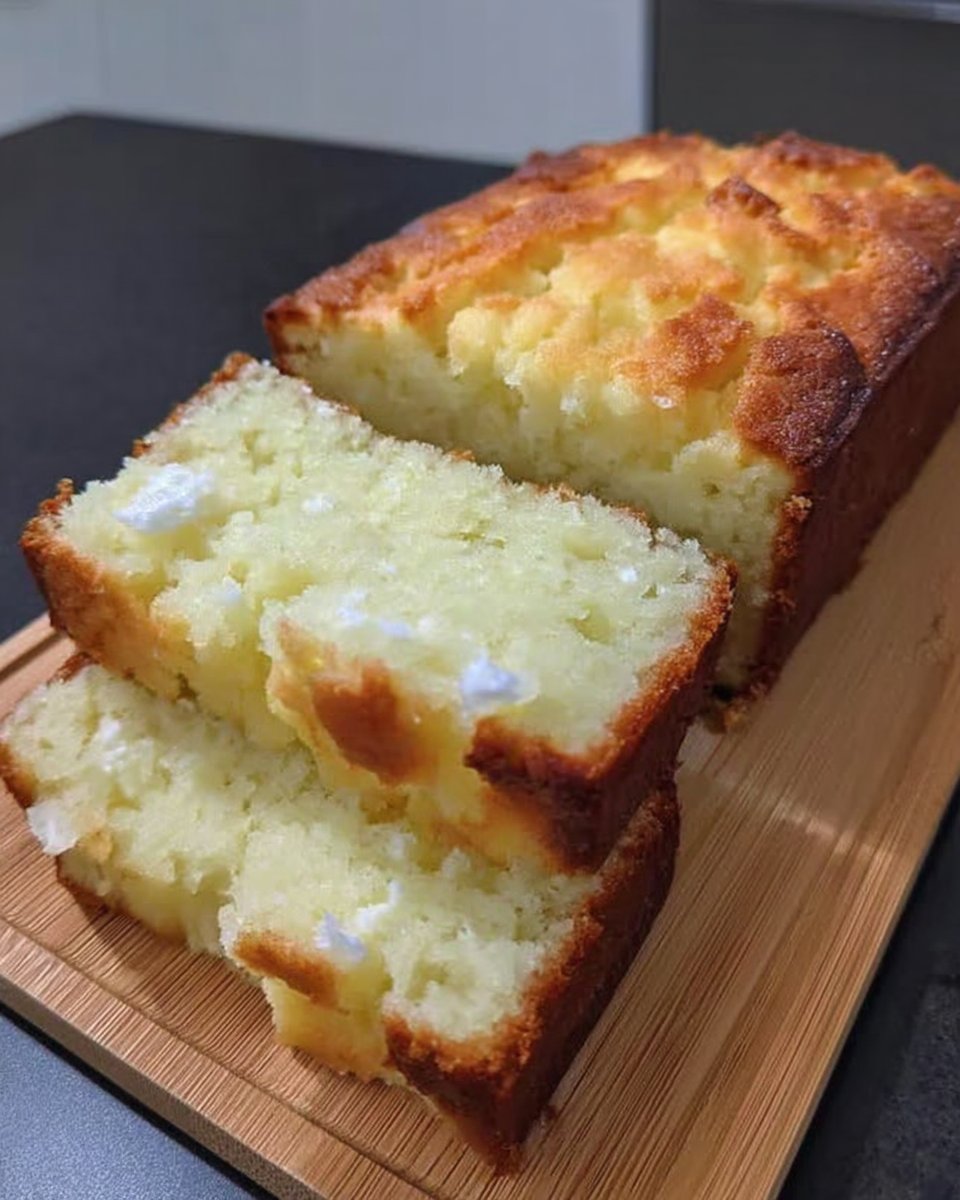
I used to think I had to choose between the rich flavor of butter and the moist texture of oil in my baking. It felt like a constant tug-of-war until I discovered that the real magic happens when you bring them together. This isn’t just another vanilla cake; it’s the result of finding that sweet spot where simple pantry staples create something truly bakery-worthy.

This recipe uses a “flavor pop” combination of butter for taste and oil for lasting moisture, ensuring every slice is tender and delicious. Paired with the tang of buttermilk, this creates a crumb that is soft, velvety, and perfect for any celebration. It is straightforward enough for a Tuesday night treat but special enough for a birthday party.
The Best of Both Worlds
You are going to fall in love with this recipe because it refuses to compromise. By using both butter and oil, you get that nostalgic, creamy flavor we all crave, but the oil ensures the cake stays moist for days—no dry crumbs here! Plus, the addition of buttermilk acts as a simple tenderizer, breaking down the gluten just enough to create a melt-in-your-mouth texture.
It is incredibly versatile, serving as the perfect canvas for any frosting, from rich chocolate to light swiss meringue buttercream. Whether you are a baking novice or a pro, this reliable base allows you to focus on the fun part: decorating and eating!
Print
Perfect Buttermilk Vanilla Cake
- Total Time: 55 mins
- Yield: 12 servings
Description
Experience the ultimate moisture and flavor with this bakery-style vanilla cake that uses both butter and oil for a superior crumb. Infused with tangy buttermilk, this versatile cake is soft, tender, and the perfect base for any celebration or simple dessert.
Ingredients
- 1/2 cup unsalted butter, softened
- 1/2 cup vegetable, canola, or avocado oil
- 1 1/2 cups granulated sugar
- 3 large eggs, room temperature
- 2 teaspoons high-quality vanilla extract
- 2 1/2 cups all-purpose flour
- 2 1/2 teaspoons baking powder
- 1/2 teaspoon salt
- 1 cup buttermilk, room temperature
Instructions
- Preheat your oven to 350°F (177°C) and prepare two 8-inch round cake pans by greasing the sides and lining the bottoms with parchment paper.
- In a stand mixer or large bowl, cream together the softened butter, oil, and sugar until the mixture is pale and light.
- Add the eggs one at a time, beating thoroughly after each addition, then stir in the vanilla extract.
- In a separate medium bowl, whisk together the all-purpose flour, baking powder, and salt to aerate.
- Gently alternate adding the flour mixture and the buttermilk to the wet ingredients, starting and ending with the flour; mix by hand until just combined.
- Divide the batter evenly between the pans and bake for 30–35 minutes, or until the center springs back and a toothpick comes out clean.
- Cool in the pans for 10–15 minutes before transferring to a wire rack to cool completely.
Notes
To ensure the most tender crumb possible, always measure your flour using the spoon-and-level method rather than scooping directly with the measuring cup. Additionally, if your batter appears slightly curdled after adding the eggs, don’t worry—it will smooth out once the dry ingredients are incorporated. For the best flavor, allow the cake to cool entirely before frosting to prevent the icing from melting into the sponge.
- Prep Time: 20 mins
- Cook Time: 35 mins
- Category: Dessert
- Method: Baking
- Cuisine: American
Simple Pantry Staples
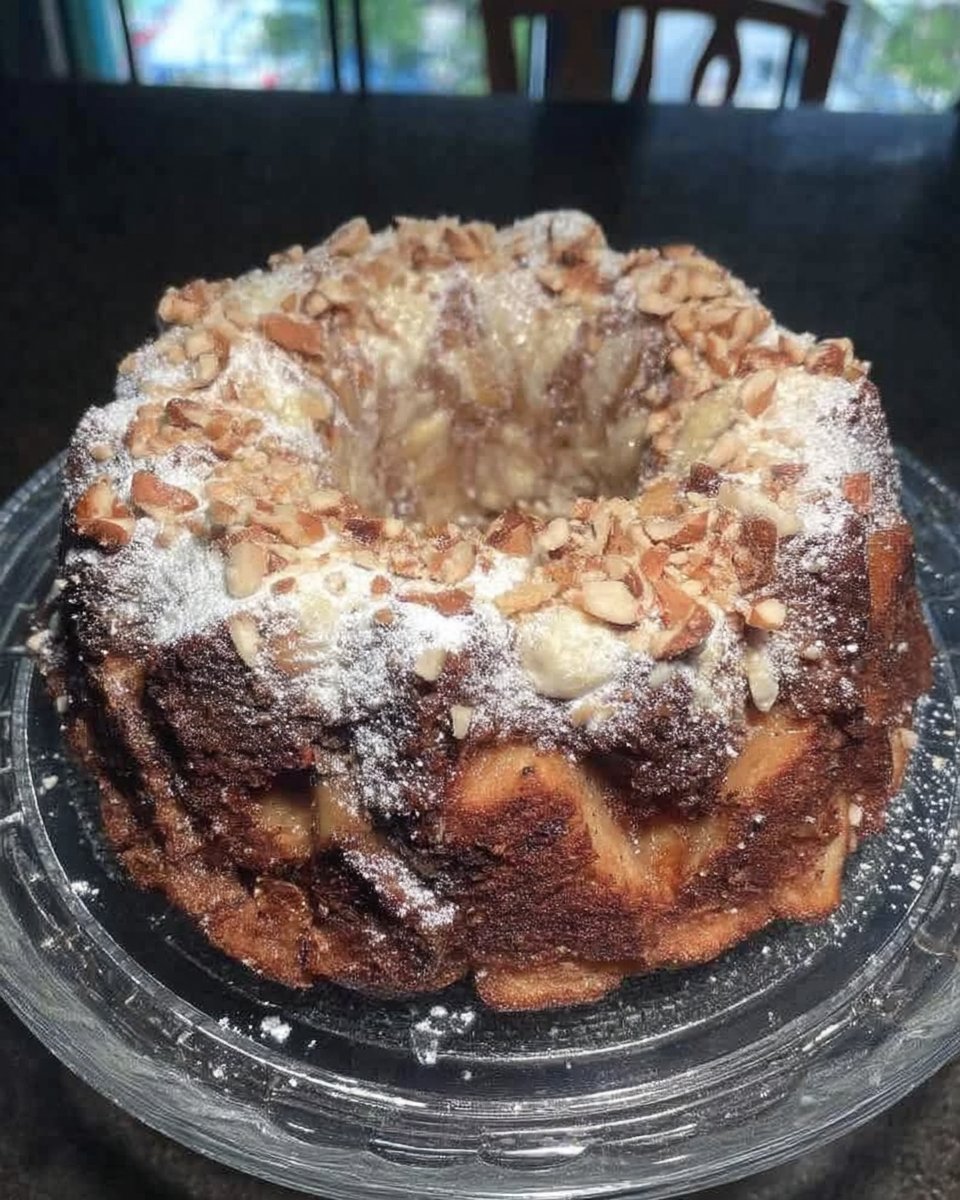
Here is what you need to make this magic happen. The beauty of this recipe lies in how standard ingredients come together to make something extraordinary.
- Unsalted Butter: Make sure this is softened to room temperature so it creams perfectly with the sugar.
- Oil: Vegetable, canola, or avocado oil works best. This is the secret to keeping the cake moist.
- Buttermilk: The acidity here reacts with the leavener for a fluffy rise and adds a subtle tang that balances the sugar.
- Eggs: Use room temperature eggs to ensure the batter emulsifies smoothly without curdling.
- Vanilla Extract: Use a high-quality extract or vanilla bean paste for the best flavor pop.
How to Make It
Step 1: Prep Your Pans
Preheat your oven to 350°F (177°C). Prepare two deep 8-inch round cake pans by lining the bottoms with parchment paper and lightly greasing the sides. This ensures your cakes release perfectly every time.
Step 2: Cream the Fats and Sugar
In the bowl of a stand mixer (or a large bowl with an electric mixer), cream together the softened butter, oil, and granulated sugar. Beat until the mixture is pale, creamy, and well-combined. This step builds the structure, so take your time here.
Step 3: Add Eggs and Vanilla
Add the eggs one at a time, beating well after each addition to fully incorporate them. Stir in the vanilla extract. Scrape down the sides of the bowl to ensure everything is mixed evenly.
Step 4: Mix Dry Ingredients
In a separate medium bowl, whisk together the all-purpose flour, baking powder, and salt. Whisking aerates the flour and ensures the baking powder is distributed evenly.
Step 5: Combine Wet and Dry
Using a spatula, gently hand-mix the batter. Alternate adding the flour mixture and the buttermilk to the butter mixture, starting and ending with the flour. Mix until just combined—be careful not to over-mix, or the cake might become dense.
Step 6: Bake and Cool
Divide the batter evenly between the prepared pans. Bake for 30–35 minutes, or until the surface springs back to the touch and a toothpick inserted in the center comes out with just a few moist crumbs. Cool in the pans for 10–15 minutes before inverting onto a wire rack to cool completely.
Jasmine’s Baking Secrets
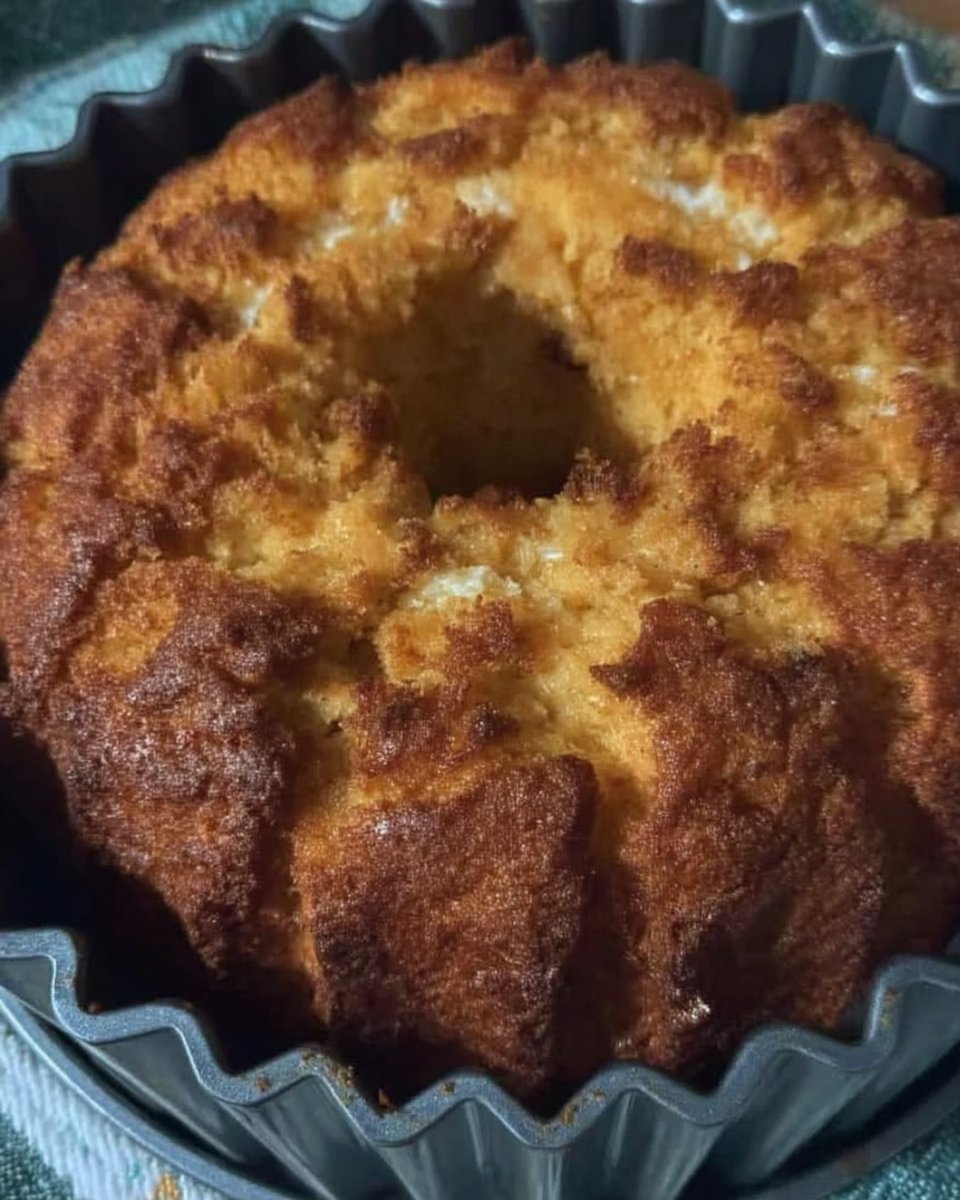
To ensure your cake turns out perfect every time, keep these simple tips in mind. The most important rule is to use room temperature ingredients. Cold eggs or buttermilk can shock the butter, causing the batter to curdle and affecting the final rise.
Also, resist the urge to use your electric mixer for the final step. Hand-mixing the flour and buttermilk ensures you don’t overwork the gluten, keeping the crumb tender. If you are looking to master the basics, checking out a classic vanilla cake recipe can help you understand the foundational techniques used here.
Make It Your Own
This base recipe is incredibly adaptable. Here are a few ways to switch up the flavor pop:
- Cupcakes: This batter works beautifully for cupcakes; just reduce the baking time to 17–18 minutes.
- Almond Twist: Swap half the vanilla extract for almond extract for a wedding-cake flavor profile.
- Candy Bar Crunch: If you are feeling adventurous, chop up candy bars and fold them in, similar to our snickers cake recipe, for a textured surprise.
Serving Suggestions
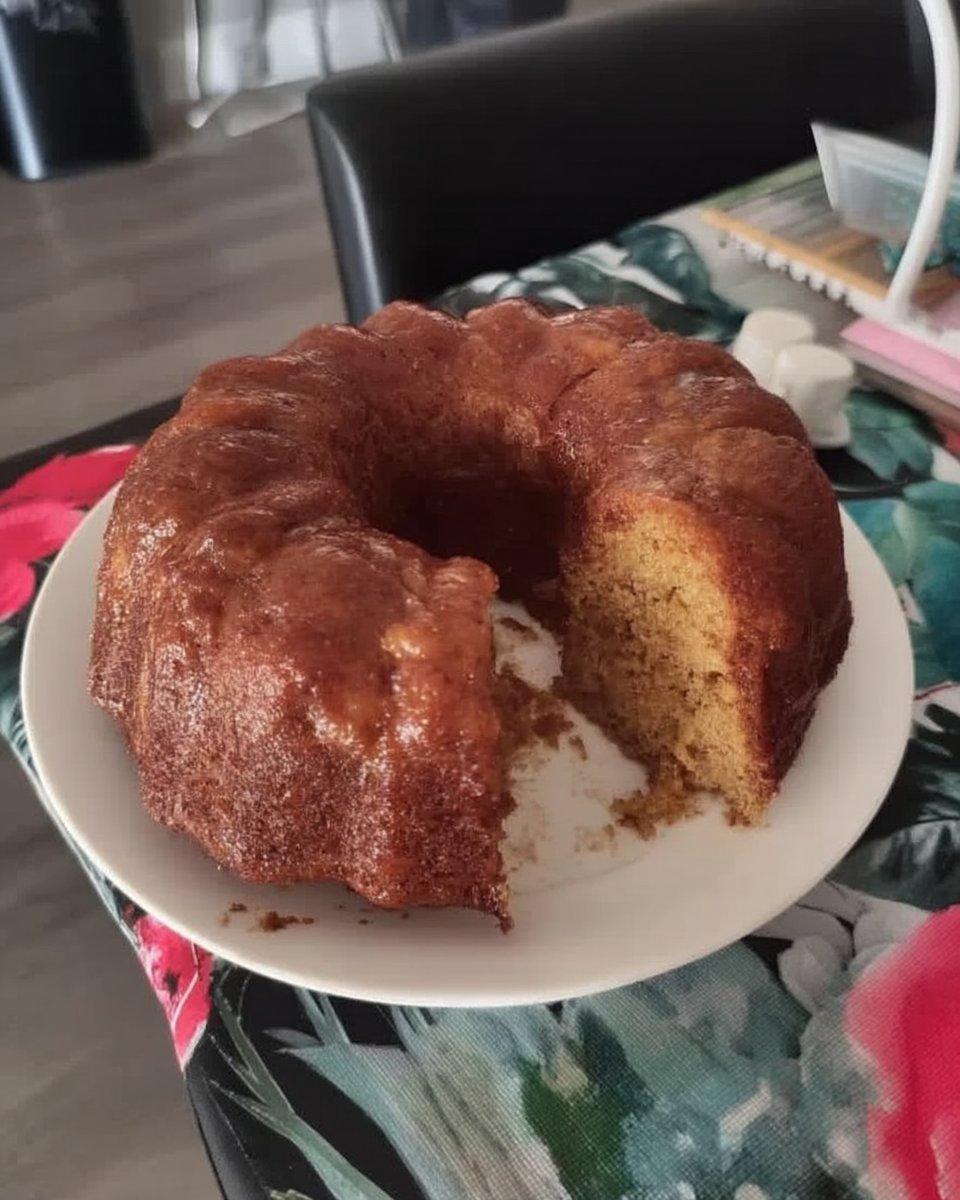
This cake is a blank canvas for your favorite toppings. I love pairing it with a rich chocolate frosting as listed, but a tangy cream cheese frosting or a light Swiss meringue buttercream works wonders too.
For a fun dessert table spread, try serving slices of this classic yellow cake alongside a slice of our vibrant purple cake recipe. The color contrast looks amazing on a platter!
Sweet Success
I hope this recipe proves that you don’t need complicated techniques to get a bakery-quality result at home. The combination of butter and oil really is a game-changer for texture. If you enjoyed this, be sure to browse our full recipe index for more simple flavor pops.
For even more baking science and inspiration, I often look to the wonderful guides at Recipe Tin Eats.
Happy baking!
Connect with us: