Making a beautiful bakery-style dessert at home does not require fancy equipment or a dozen dirty mixing bowls.

This gorgeous Classic Mango Mousse Cake relies on basic kitchen tools and everyday ingredients to create a stunning, velvety treat. You will love how the airy sponge base supports a cloud-like mango cream, topped with a glossy, sweet fruit glaze. The entire process is broken down into simple, manageable steps that fit naturally into your busy schedule. You can easily prep the components in the morning and let the refrigerator do all the heavy lifting while you go about your day.
Why This Classic Mango Mousse Cake Works for Busy Weeks
Prep: 40 min · Serves: 10 · Difficulty: Medium
- The recipe uses canned Kesar pulp for simplicity.
- No complicated baking equipment or techniques required.
- Beautiful distinct layers look highly professional.
- Prep work is split easily across several hours.
- Our sponge base stays beautifully moist.
This is the stress-free dessert you will turn to for every warm-weather celebration. If you want to read more about how this beautiful fruit-forward base behaves, check out our classic mango sponge cake recipe story for extra inspiration.
Get The Full Cake Recipe
Print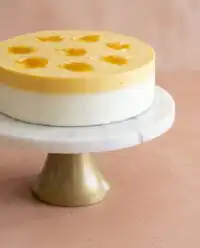
Classic Mango Mousse Cake
- Total Time: 12 hours
- Yield: 10 servings
Description
This elegant Mango Mousse Cake features a moist, light sponge base topped with layers of velvety, cloud-like mango cream and a glossy fruit finish. Perfect for warm-weather celebrations, this recipe is designed to be stress-free and manageable for any home baker.
Ingredients
- Large eggs, room temperature
- White sugar
- All-purpose flour
- Baking powder
- Canned Kesar mango pulp
- Unflavored gelatin powder
- Heavy cream
- Icing sugar
- Water
Instructions
- Bake the sponge. Preheat your oven to 350°F, line your pan, and beat eggs with sugar until tripled in volume; fold in flour and baking powder, then bake for twenty minutes.
- Prepare the base. Cool the sponge in the pan, invert to remove parchment, place back in the pan, and brush with a simple syrup made from boiled sugar and water.
- Whip the cream. Beat cold heavy cream with icing sugar in a chilled bowl until stiff peaks form and refrigerate.
- Bloom the gelatin. Sprinkle gelatin over cold water, let sit to absorb, then microwave until clear and liquid.
- Create the mousse. Fold cream into mango puree, then temper the warm gelatin with a portion of the mixture before combining everything into a silky mousse.
- Set the cake. Pour mousse over the sponge, smooth the top, and chill for at least eight hours until firm.
- Mix the glaze. Stir mango puree with sugar, incorporate tempered gelatin, and ensure the mixture is smooth and pourable.
- Glaze the cake. Pour the glaze over the set mousse, return to the refrigerator for three hours, and run a knife around the edge before unmolding.
Notes
- Use room temperature eggs for maximum volume when whipping the sponge base.
- Always temper gelatin with a small amount of fruit puree before adding to the main cream to avoid rubbery lumps.
- Chill your metal mixing bowl and beaters in the freezer beforehand to ensure the heavy cream whips into a stable, airy mousse.
- Apply a warm towel to the outside of the springform ring before removing to ensure clean, professional sides.
- Prep Time: 40 mins
- Cook Time: 20 mins
- Category: Dessert
- Method: Baking and Chilling
- Cuisine: Tropical
Pantry Lineup
You do not need a single exotic ingredient to pull off this spectacular layered dessert. Most of these components are already sitting in your kitchen cupboards, waiting to be transformed.
- Canned Kesar Mango Pulp: This specific variety provides a rich, sweet tropical taste and a smooth consistency without the hassle of peeling and blending fresh fibrous fruit.
- Unflavored Gelatin Powder: Essential for providing structural stability to both the light mousse layer and the glossy top glaze so that each slice holds its shape beautifully.
- Heavy Cream: Whipped to stiff peaks, this ingredient creates the aerated texture that turns thick fruit puree into a delicate, cloud-like mousse.
- Large Eggs: Beating these at room temperature allows them to triple in volume, which acts as the main leavening agent for the light sponge cake base.
- All-Purpose Flour: Provides just enough structure to the sponge cake without making it heavy or dense.
- Stock Syrup: A simple combination of sugar and water boiled together to moisten the sponge base, preventing it from drying out in the fridge.
| Ingredient | Why It Matters |
|---|---|
| Kesar Mango Pulp | Delivers intense tropical sweetness and smooth texture. |
| Gelatin Powder | Stabilizes the delicate mousse and glossy glaze layers. |
| Heavy Whipping Cream | Creates a light, airy, and velvety mousse consistency. |
| Room Temperature Eggs | Whip up to maximum volume for a light sponge. |
| Stock Syrup | Keeps the cake base incredibly soft and moist. |
Step-by-Step (Promise It’s Quick)
Step 1: Bake the Light Sponge Base
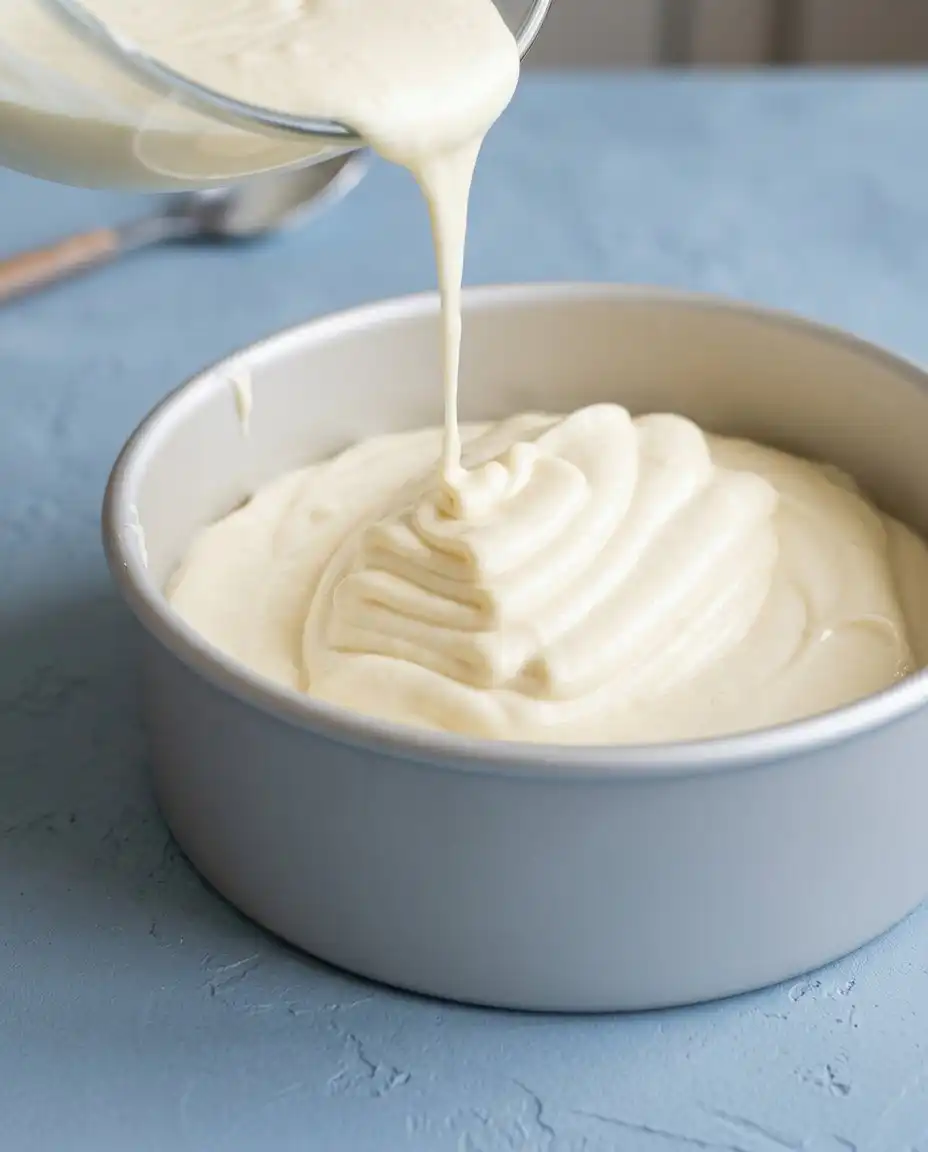
Preheat your oven to 350°F and prepare your eight-inch springform pan by lining the bottom with parchment paper. In your mixing bowl, beat the room-temperature eggs until they become foamy and pale yellow. Gradually pour in the white sugar while continuing to beat on high speed until the mixture triples in volume and forms thick ribbons that sit on the surface for a few seconds. Fold the sifted flour and baking powder into the whipped eggs gently with a spatula, making sure you scrape the very bottom of the bowl to avoid pockets of dry flour. Pour the batter into your prepared pan and bake for twenty minutes until the top is golden and springy.
Step 2: Cool the Classic Mango Mousse Cake Base
Allow the baked sponge cake to cool in the pan for ten minutes before running a thin knife around the edge to release it. Invert the cake onto a wire cooling rack and peel off the parchment paper backing carefully to avoid tearing the delicate crumb. Once the cake has cooled completely, place it back into the clean springform pan and lock the collar securely. Boil your sugar and water in a small saucepan until the sugar dissolves completely, then brush this sweet stock syrup generously over the top of the sponge.
Step 3: Whip Cream for the Classic Mango Mousse Cake
Pour the cold heavy cream into a chilled bowl and add the icing sugar gradually. Whip the mixture on medium-high speed until it holds firm, sharp peaks and looks like thick, luscious shaving cream. Be careful not to over-whip the cream, or it will become grainy and begin to separate into butter. Set this whipped cream aside in the refrigerator to keep it cold while you work on the gelatin.
Step 4: Bloom and Melt the Gelatin
Measure the fifty milliliters of cold water into a small heat-safe ramekin. Sprinkle the unflavored gelatin powder evenly across the surface of the water, allowing it to sit for a minute until it absorbs the liquid and resembles a thick, translucent paste. Microwave the bloomed gelatin for fifteen seconds, watching closely to ensure it does not boil over. The liquid should emerge completely clear, warm, and fluid, smelling slightly sweet.
Step 5: Whip the Classic Mango Mousse Cake Filling
Gently fold your whipped cream into the sweet mango puree using a large rubber spatula until no white streaks remain. Scoop a small cup of this fruit mixture into a separate bowl, then slowly pour in the warm liquid gelatin while whisking vigorously with your other hand. This tempering process guarantees that the gelatin incorporates smoothly without forming rubbery lumps when it hits the cold cream. Fold this tempered mixture back into the main bowl of mango cream until you have a uniform, silky orange mousse.
Step 6: Pour the Classic Mango Mousse Cake Layer
Pour the velvety mango mousse over the soaked sponge cake inside your springform pan, letting it fill the edges completely. Tap the pan gently on your countertop several times to release any trapped air bubbles and smooth the top with an offset spatula. Transfer the assembled cake directly to the refrigerator and let it chill uncovered for at least eight hours. The mousse is ready when it feels firm to a gentle touch and does not jiggle when the pan is moved.
Step 7: Mix the Glossy Gel Topping
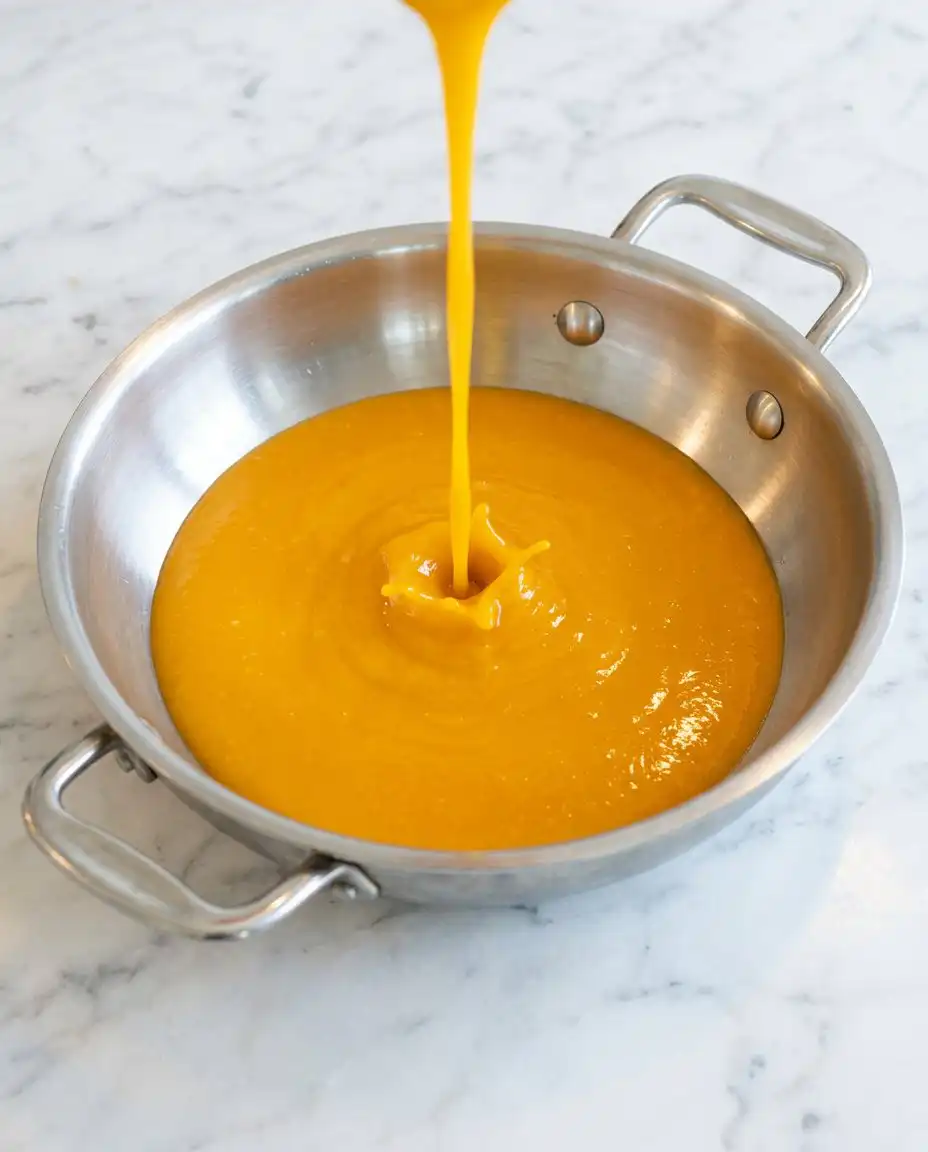
Combine the remaining mango puree and sugar in a medium bowl, stirring until the sugar grains dissolve completely. Bloom the remaining gelatin powder in water in a small microwaveable dish for thirty seconds, then microwave for ten seconds until clear. Temper this warm gelatin by stirring a small spoonful of the sweetened mango puree into it before mixing everything back into the main bowl of puree. The mixture should look shiny, smooth, and easily pourable.
Step 8: Glaze the Classic Mango Mousse Cake
Slowly pour the warm mango glaze over the set mousse layer, tilting the pan gently so that the glaze covers the entire surface in a thin, even sheet. Return the pan to the refrigerator for another three hours to allow the top gel layer to set completely. The finished glaze should look like a bright orange mirror, reflecting the light beautifully. Slip a thin spatula around the edge before unlocking the springform collar to reveal the clean, stunning layers.
Easy-Baker Notes on Classic Mango Mousse Cake
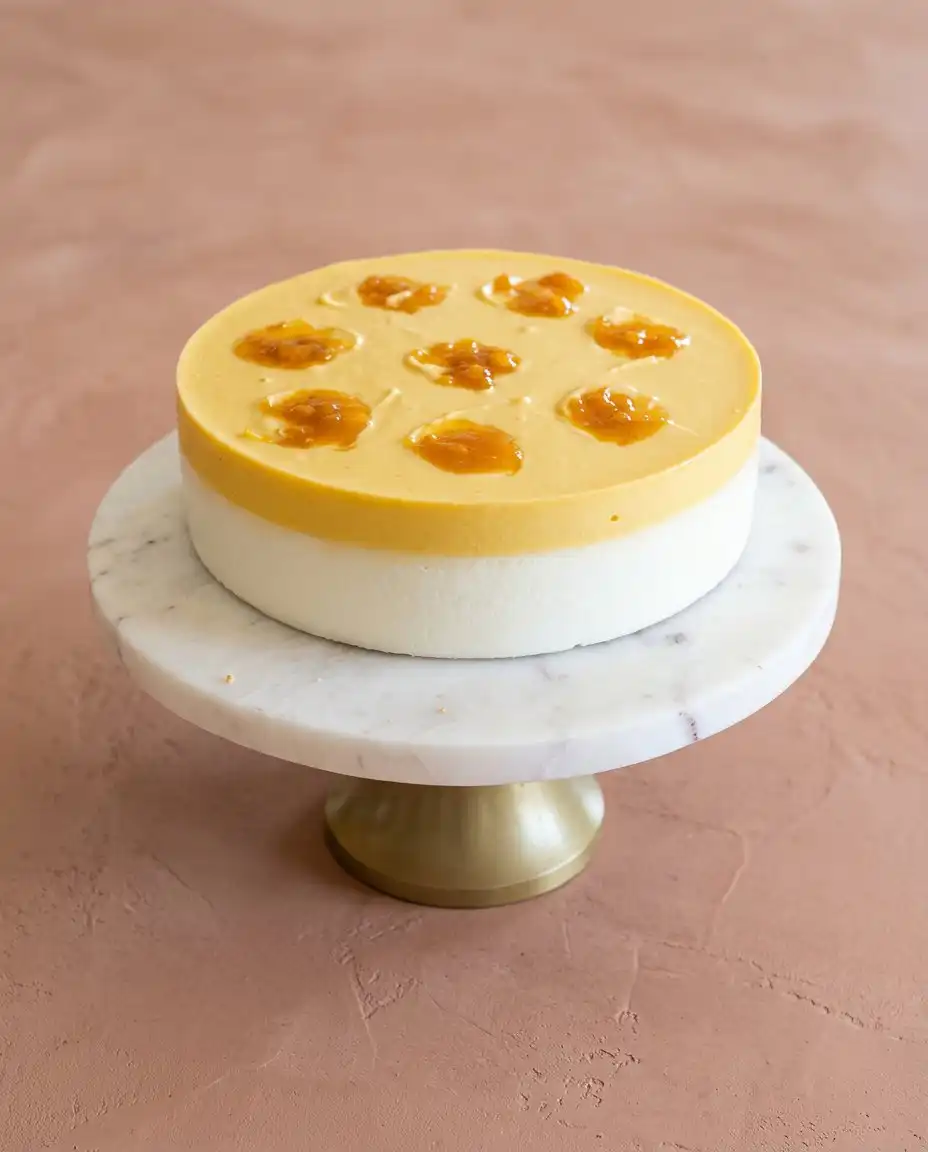
Using room temperature eggs is highly crucial for achieving the necessary height in your Classic Mango Mousse Cake sponge base. Cold eggs will not whip up with the same volume, which can result in a flat, dense cake layer. Submerge them in a bowl of warm water for ten minutes before cracking if you forgot to set them out.
If your gelatin clumps in the Classic Mango Mousse Cake layers, here is why and how to fix it. This common issue happens when warm gelatin is poured directly into cold cream, causing it to seize instantly. To fix this, always scoop a small portion of the mousse into the gelatin first to bring the temperatures closer together before mixing it all back into the large bowl.
Whipping heavy cream requires a cold bowl and cold beaters for the best volume and stability. Pop your metal bowl and beaters into the freezer for ten minutes before you plan to whip the cream. This little trick helps your cream whip up quickly and hold its structure beautifully.
When you are ready to release the cake from the springform pan, use a kitchen blowtorch or a hot kitchen towel wrapped around the outside of the metal ring for thirty seconds. This gently melts the outermost edge of the mousse, allowing the pan to slide off easily without tearing the smooth sides. Learning these small handling details will make your baking journey feel as smooth as assembling a traditional chiffon cake for a weekend gathering.
Always use canned Kesar mango pulp rather than fresh mangoes for this specific recipe to get the best color and flavor. Fresh mangoes can vary wildly in sweetness and water content, which often ruins the stability of the gelatin. If you want to study the science behind this layer stabilization, read this helpful guide on how to successfully layer a mango mousse cake to help your dessert turn out beautifully.
Store any leftover stock syrup in a clean glass jar in your refrigerator for up to two weeks. It makes an excellent sweetener for iced coffee, summer cocktails, or for moistening future Classic Mango Mousse Cake bakes.
Frequently Asked Questions
Can I use fresh mangoes instead of canned pulp for this recipe?
While fresh mangoes can work, they are not recommended because their acidity and water content vary significantly. Canned Kesar mango pulp provides a consistent sweetness, smooth texture, and intense flavor that is perfect for your Classic Mango Mousse Cake. If you do use fresh mangoes, you must puree them completely and strain out all the fibrous pulp before measuring.
Why did my mango mousse fail to set properly?
This issue usually happens if the gelatin was not fully dissolved or if it was heated too much in the microwave, which destroys its gelling power. It can also occur if the mousse did not chill in the refrigerator for the full eight hours. Always make sure to measure your liquids and gelatin precisely to avoid a runny texture.
Can I make this dessert gluten-free?
Yes, you can easily adapt this Classic Mango Mousse Cake by replacing the all-purpose flour in the sponge cake base with your favorite one-to-one gluten-free baking flour blend. Since the sponge cake is quite thin and relies heavily on whipped eggs for its rise, the gluten-free substitution will not negatively impact the overall texture. Make sure your baking powder is also certified gluten-free before starting.
How long can I store this Classic Mango Mousse Cake in the refrigerator?
This dessert keeps beautifully in the refrigerator for up to four days when stored in an airtight container or covered loosely with plastic wrap. The flavor of the mango actually deepens slightly by the second day, making it an excellent make-ahead option. Avoid freezing the cake, as the gelatin layers can become watery and lose their creamy texture upon thawing.
What is the best way to slice this Classic Mango Mousse Cake cleanly?
To achieve clean, sharp slices, dip a long, sharp chef’s knife into a jug of hot water and wipe it dry with a clean towel before making each cut. The warm blade will slide smoothly through the cold gelatin and mousse layers without dragging or smearing. Clean the knife blade completely between every single slice for the most professional presentation.
Can I use agar-agar instead of gelatin?
You can substitute agar-agar, but the texture of the mousse will be slightly different, as agar-agar sets more firmly and lacks the melt-in-the-mouth quality of gelatin. If you choose to use agar-agar, you will need to boil it with your liquids to activate it, rather than simply blooming it in warm water. Use about half the amount of agar-agar powder compared to the gelatin specified in the recipe.
Is it possible to make this mousse cake without a springform pan?
Using a springform pan is highly recommended because it allows you to release the delicate sides of the cake without damaging the layers. If you do not have one, you can line a standard deep cake pan with plastic wrap, leaving a generous overhang on the sides so you can lift the entire set cake out carefully. Alternatively, you can assemble the layers inside individual glass cups for a beautiful, single-serving presentation.
Simple Swaps
Tropical Coconut Classic Mango Mousse Cake can be achieved by substituting half of the heavy cream in the mousse with thick coconut cream. Sprinkle toasted shredded coconut over the set mango glaze just before serving to add a delightful, nutty crunch that contrasts beautifully with the silky mousse. This simple twist creates a bright, breezy profile that feels like a beach vacation on a plate.
If you are a fan of chocolate and fruit pairings, try swapping the plain sponge cake base for a thin layer of cocoa sponge to complement the Classic Mango Mousse Cake layers. The bitter undertones of rich dark chocolate cut through the bright sweetness of the mango, resulting in a highly sophisticated dessert. For those who love this combination of textures, comparing this build to a classic chocolate mousse cake will show you just how versatile gelatin-stabilized desserts can be.
Stirring a teaspoon of fresh lime zest and a pinch of ground cardamom into the mango pulp before assembling the mousse adds an unexpected warm spice and citrus punch, creating a unique variation of the Classic Mango Mousse Cake. The cardamom highlights the floral notes of the Kesar mango pulp, while the lime juice keeps the sweetness wonderfully balanced. This variation is wonderful for an elegant dinner party where you want to surprise your guests with subtle, complex flavors.
Slice & Serve Your Classic Mango Mousse Cake
Plating this stunning Classic Mango Mousse Cake requires very little effort because the clean orange and cream layers are already visually stunning. Slide each slice onto a simple white dessert plate to let the bright colors of the mango glaze stand out. A small dollop of lightly sweetened whipped cream and a single fresh mint leaf on the side adds a lovely touch of color and freshness.
For a festive summer gathering, serve this cake alongside a bowl of fresh berries like raspberries, blueberries, or sliced strawberries. The tartness of the fresh berries balances the rich sweetness of the mango mousse beautifully, offering a refreshing contrast in every bite. Sharing a beautiful cake with fruit always makes a weekday feel special, especially when you are tasting this Classic Mango Mousse Cake paired with a cold glass of iced tea or a hot cup of espresso.
If you are hosting a formal dinner party, you can prepare individual chocolate curls or gold leaf sheets to place gently on top of the glaze. This simple addition upgrades the overall presentation, making it look like it came straight from a high-end pastry shop. Serve it chilled directly from the refrigerator to make sure the layers maintain their beautiful, clean lines on your guests’ plates when serving your Classic Mango Mousse Cake.
Bake Your Classic Mango Mousse Cake Soon
Baking should always feel like a joy, and this simple recipe proves that spectacular results do not require hours of complicated work. With a basic sponge base, whipped cream, and canned mango pulp, you can create a centerpiece dessert that your friends and family will talk about for weeks. This is honest, simple baking that fits your life, enjoyed in pajamas on a quiet morning or shared around a crowded table.
If you enjoyed this tropical dessert adventure and want more seasonal inspiration, take a look at our mango drip cake ideas story to spark your next weekend project. There are so many ways to bring bright, happy flavors into your kitchen without losing your whole Saturday to cleanup, especially when creating your own Classic Mango Mousse Cake. I cannot wait to hear how your cake turned out and see your beautiful, clean layers.
Please share your gorgeous Classic Mango Mousse Cake creations with our community of passionate home bakers online. Connect with us on Pinterest, follow our latest bakes on Facebook, watch our quick video tutorials on TikTok, or join our chat on Telegram for daily recipe inspiration and friendly baking tips. Happy baking, and enjoy every sweet bite!