Stirring dark Dutch-process cocoa directly into your batter releases a deep, fudgy warmth the second this crispy, hot Chocolate Funnel Cake melts on your tongue.

While most of us associate fried dough with crowded county fairs, making a spectacular Chocolate Funnel Cake at home is wonderfully easy. You do not need fancy equipment or a commercial kitchen to achieve that classic, light-as-air webbing with a deep cocoa twist. By combining pantry staples with dark cocoa, we create a rich chocolate batter that fries up into crispy, golden-brown excellence. Every bite offers a contrast of crispy edges and tender, cake-like centers, dusted with a snowy layer of powdered sugar.
Why the Flavor Pop Works for Chocolate Funnel Cake
Prep: 10 min · Serves: 4 · Difficulty: Easy
Frying batter at home might seem intimidating, but this recipe is designed to change your mind after your very first swirl in the hot pan. We have stripped away the fuss of deep-frying, replacing it with a straightforward method that uses a squeeze bottle for complete control over your design. By introducing dark Dutch-process cocoa, we lift the standard fairground dessert into a sophisticated, bakery-level treat. If you love our classic carnival funnel cake recipe story, this chocolate adaptation brings one smart addition, all the wow.
- Deep cocoa flavor that blooms beautifully in warm frying oil.
- Crispy, lace-like texture with soft, fluffy cake-like centers.
- No yeast required for a quick and easy dessert process.
- Squeeze-bottle method makes pouring the batter exceptionally easy.
- A playful favorite that immediately brings the family together.
This sweet treat turns any ordinary evening into an unforgettable chocolate celebration.
Get The Full Cake Recipe
Print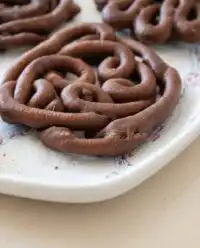
Chocolate Funnel Cake
- Total Time: 25 mins
- Yield: 4 servings
- Diet: Vegetarian
Description
This decadent take on a carnival classic uses Dutch-process cocoa to create a deep, fudgy flavor profile. These crispy, airy fried dough lattices are perfect for a warm, indulgent dessert that pairs beautifully with powdered sugar or your favorite toppings.
Ingredients
- 1 cup all-purpose flour
- 1/4 cup Dutch-process cocoa powder
- 1/4 cup granulated sugar
- 1 tablespoon baking powder
- 1/2 teaspoon fine salt
- 3/4 cup whole milk
- 1 large egg
- 1 teaspoon pure vanilla extract
- Vegetable oil, for frying
- Powdered sugar, for dusting
Instructions
- Whisk liquid ingredients. In a large mixing bowl, beat the egg and granulated sugar until frothy, then stir in the milk and vanilla until fully incorporated.
- Sift dry ingredients. In a separate bowl, whisk together the flour, cocoa, baking powder, and salt before sifting the mixture into the wet ingredients to remove any clumps.
- Combine the batter. Use a sturdy spatula to gently fold the dry ingredients into the liquid until the batter is smooth, velvety, and similar in consistency to heavy cream.
- Heat the oil. Pour oil into a heavy-bottomed skillet to a depth of 1.5 inches and heat over medium heat until it registers between 350 and 375 degrees Fahrenheit.
- Pipe the batter. Fill a squeeze bottle with the batter and, holding it three inches above the oil, swirl in circular and crisscross motions to form a cohesive lattice.
- Fry until crispy. Fry the cake for two minutes, then carefully flip with tongs to cook the other side for another 90 seconds until firm and crisp.
- Drain and dust. Remove the cake from the oil, drain on a wire rack, and generously dust with a layer of powdered sugar while hot.
Notes
- Ensure the oil stays between 350 and 375 degrees to prevent the cake from becoming overly greasy or burning the cocoa.
- Use a squeeze bottle with a quarter-inch opening for the perfect balance of crispiness and structure.
- Allow the batter to rest for ten minutes before frying to ensure the cocoa blooms and the flour hydrates properly for a superior texture.
- Keep all utensils and equipment completely dry to avoid dangerous oil splattering during the frying process.
- Prep Time: 10 mins
- Cook Time: 15 mins
- Category: Dessert
- Method: Deep-frying
- Cuisine: American
Simple Ingredients + One Smart Add
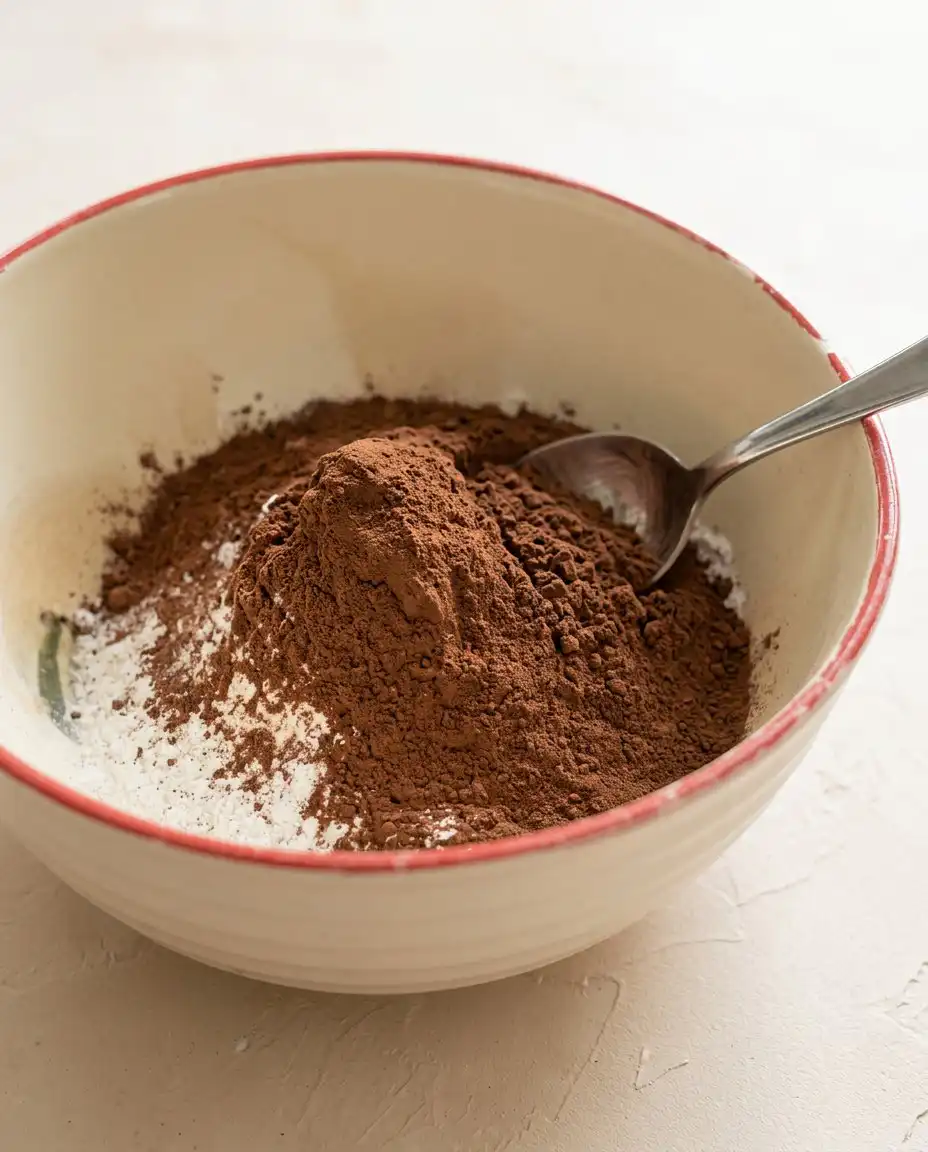
To construct the ideal chocolate batter, you only need a handful of basic ingredients that are likely resting in your kitchen cabinets right now. The beauty of this recipe is that it relies on honest pantry staples, combined in a precise ratio to make sure the batter streams smoothly without breaking. We are not using complicated starches or hard-to-find additives; instead, we rely on the natural chemistry between standard leaveners and wet ingredients to create that signature airy puff. By understanding how each component functions in the hot oil, you can bake with complete confidence. The magic lies in the balance of simple leaveners and our star ingredient, which takes it from good to wow.
- Dutch-process cocoa: This is our key addition, providing a dark, smooth, earthy chocolate flavor that regular natural cocoa powder cannot match. It dissolves beautifully into the wet ingredients, guaranteeing a deep brown color and a rich, rounded flavor profile.
- Baking powder: It acts as the primary chemical leavener, reacting instantly to the heat of the oil to puff up the batter into light, hollow loops. Without it, your funnel cake would turn out dense, heavy, and overly greasy instead of crisp and airy.
- Whole milk: This provides the rich liquid base that thins the batter to the ideal pourable consistency while keeping the interior crumbs tender and moist. The fats in whole milk also help brown the exterior of the cake, adding a subtle caramelized flavor.
- Granulated sugar: A touch of sweetness in the batter helps caramelize the outer edges for a crisp texture as it fries. It also balances the natural bitterness of the Dutch cocoa without making the finished dessert cloyingly sweet.
- Large egg: It binds the dry ingredients together and provides the essential protein structure, making sure the delicate chocolate loops do not fall apart in the hot oil. The egg also contributes to the rich flavor and the tender, cake-like texture of the interior.
- Pure vanilla extract: This warm, aromatic liquid rounds out the cocoa, acting as the ideal flavor partner to make the chocolate taste even richer. It adds that classic bakery aroma that floats through your entire home as the batter cooks.
- Fine salt: A small pinch of salt is crucial because it sharpens all the other flavors, making the chocolate pop and the sugar taste sweeter. It prevents the fried dough from tasting flat or floury, balancing the entire flavor profile beautifully.
| Ingredient | Why It Matters |
|---|---|
| Dutch-process cocoa | Adds deep, rich, earthy chocolate flavor and beautiful dark color |
| Baking powder | Creates light, airy, puffed loops immediately upon hitting hot oil |
| Whole milk | Provides liquid base for a smooth, pourable, and tender batter |
| Granulated sugar | Sweetens the batter and helps caramelize the outer crispy edges |
| Large egg | Binds ingredients together to guarantee structural integrity during frying |
| Pure vanilla extract | Deepens the rich cocoa notes with warm, sweet aromatic depth |
| Fine salt | Balances the sweetness and sharpens the overall chocolate flavor profile |
Building the Flavor
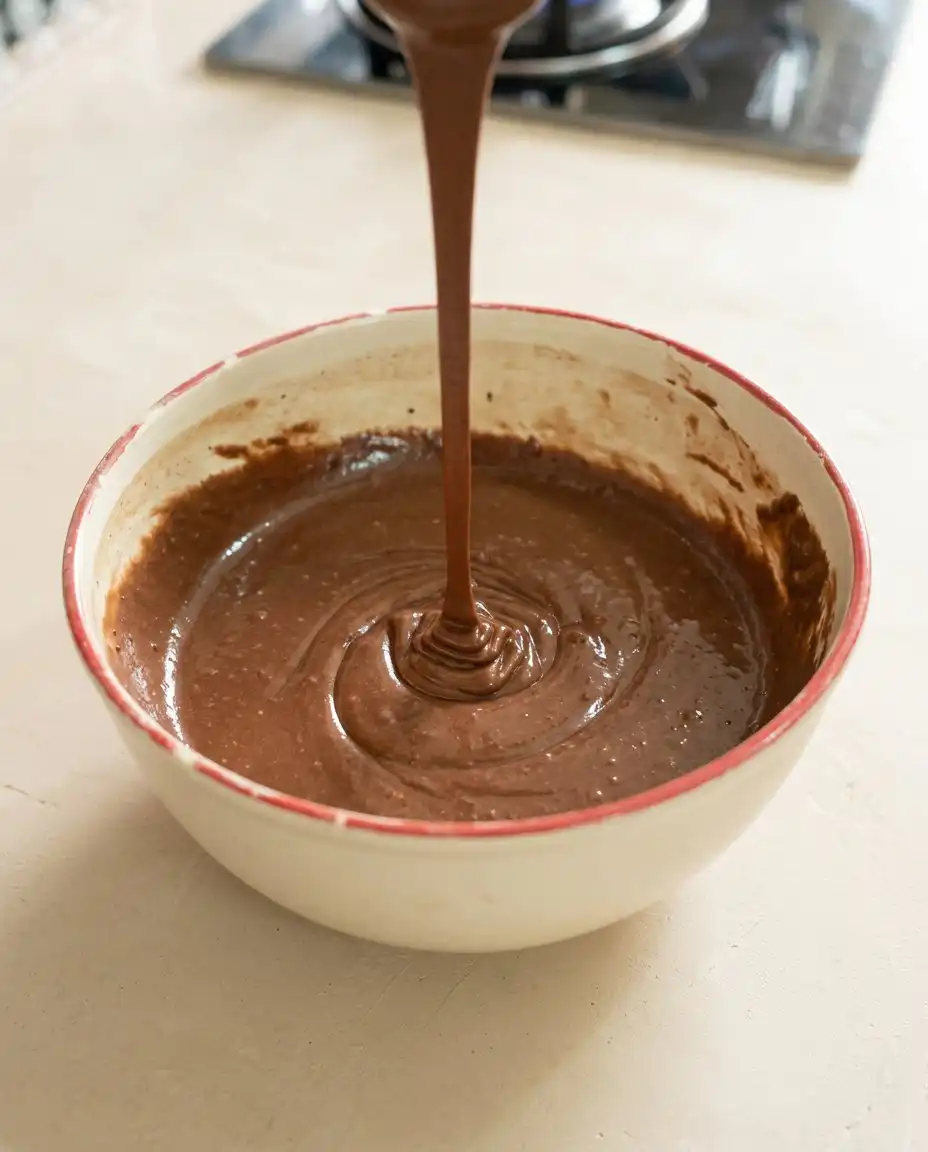
Step 1: Whisk the Liquid Ingredients
Start by cracking your fresh large egg into a spacious, wide mixing bowl that gives you plenty of room to work. Add the granulated sugar and whisk vigorously by hand until the mixture looks pale yellow and slightly frothy, which should take about one full minute. Pour in the whole milk and the pure vanilla extract, whisking continuously until the liquids are fully integrated and completely smooth. This initial whisking is crucial because it begins to dissolve the sugar crystals, guaranteeing a consistent batter structure that holds its shape beautifully when streamed into hot oil.
Step 2: Sift and Fold the Dry Ingredients
In a separate medium bowl, combine the all-purpose flour, Dutch-process cocoa, baking powder, and fine salt, stirring with a dry whisk to distribute the leaveners. Sift this cocoa mixture directly over your wet ingredients using a fine-mesh sieve to eliminate any stubborn chocolate clumps. Gently fold the dry ingredients into the wet mixture with a sturdy spatula, scraping the bowl to make sure no dry pockets remain. The finished batter should be completely smooth, velvety, and have a consistency similar to heavy cream, ready for the frying stage.
Step 3: Prepare Your Frying Station
Pour your high-smoke-point oil into a heavy-bottomed cast iron skillet or deep Dutch oven until it reaches a depth of about one and a half inches. Clip a reliable candy thermometer to the side of the pan, making sure the bulb is submerged in the oil but not touching the bottom. Heat the oil slowly over medium heat until it registers a steady temperature between 350 and 375 degrees Fahrenheit. Transfer your smooth chocolate batter into a clean squeeze bottle, testing the oil with a tiny drop of batter to make sure it sizzles and rises to the surface instantly.
Step 4: Fry the Chocolate Funnel Cake to Golden Perfection
Hold your squeeze bottle about three inches above the surface of the hot oil and squeeze gently to release a steady, continuous stream. Begin by pouring the batter in a wide circular motion to establish the outer boundary, then quickly swirl back and forth to create overlapping laces. It is vital to crisscross your lines multiple times so the individual strands fuse together into a sturdy, interlocking lattice. Let the funnel cake fry undisturbed for about two minutes until the bottom layer sets and the delicate edges turn a deep chocolate brown.
Step 5: Flip with Care
Once the first side is crispy and holds its shape, prepare to flip the cake using a pair of long metal tongs or clean wooden chopsticks. Gently grasp the center of the chocolate lattice and carefully flip it over in a single, smooth motion to prevent hot oil splashing. Let the second side cook for another ninety seconds, or until it feels firm and wonderfully crisp when tapped lightly. Keep a close eye on your candy thermometer during this process, adjusting the burner heat slightly to guarantee the temperature remains steady.
Step 6: Drain and Dust
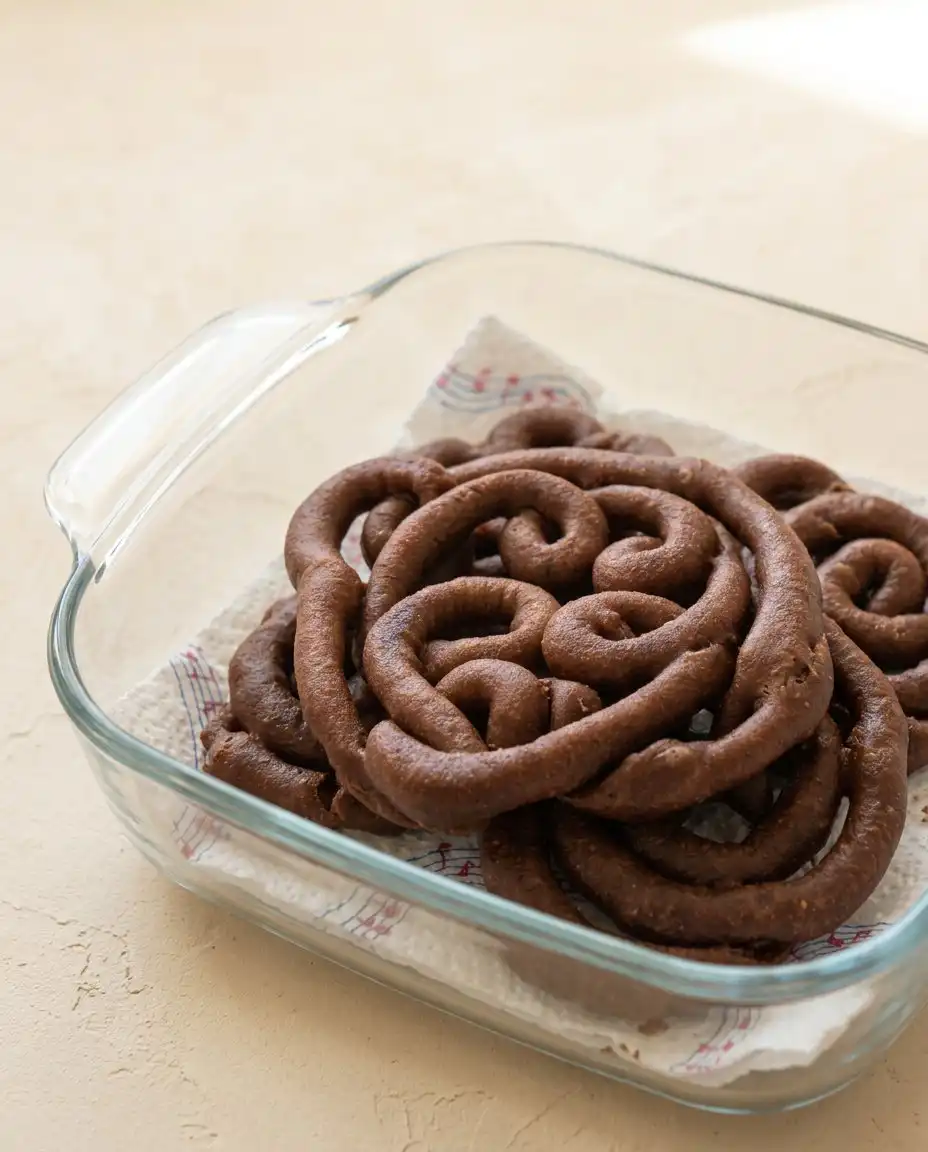
Carefully lift the hot chocolate lattice out of the bubbling oil, holding it over the pan for a few seconds to let excess oil drip away. Transfer the cake onto a wire cooling rack set over a rimmed baking sheet lined with paper towels to drain. While the cake is still piping hot, dust it generously with a snowy blanket of powdered sugar using a fine-mesh sieve. Serving this warm dessert immediately is key, as the contrasting textures of the crispy chocolate exterior and soft, cake-like interior are at their absolute peak right out of the fryer.
How to Layer the Flavor
Choosing a squeeze bottle with an opening of about a quarter-inch is the secret to achieving those beautifully thin, crispy ribbons. If the opening is too narrow, the batter will dispense too slowly, leading to uneven cooking across the cake. If the opening is too wide, the batter will pour out in thick clumps that remain doughy and heavy in the center rather than light and airy. You want a bottle that allows you to squeeze with steady pressure so you can move your hand quickly without stopping the flow.
Keeping a reliable candy thermometer clipped to your pan is the only way to avoid the common heartbreak of greasy or burnt desserts. If your frying oil drops below 350 degrees, the batter will absorb too much oil and become unpleasantly heavy and soggy. Conversely, if the oil exceeds 375 degrees, the outer cocoa layer will scorch and taste bitter before the interior is fully cooked. Always give your oil a minute to return to temperature between frying different cakes to guarantee consistent results.
If your funnel cake is breaking apart in the oil, it is because you poured the batter too slowly or failed to overlap the lines sufficiently. To fix this, make sure to swirl the batter in a continuous, rapid motion so the stream crosses over itself multiple times to form a strong lattice. The fresh batter must touch the existing lines while they are still wet so they can fuse together into a single, cohesive cake. Do not worry about making it look neat; the beauty of this treat is its wild, chaotic webbing.
To bring out the deepest possible chocolate flavor, let your prepared batter rest on the counter for about ten minutes before frying. This brief rest allows the starch in the flour to fully hydrate and gives the Dutch-process cocoa time to bloom in the liquid. If you enjoyed playing with different flavor profiles in our pumpkin spice funnel cake story, you will appreciate how a simple rest can completely transform the depth of your batter. It also helps relax any gluten developed during mixing, making the cake even more tender.
Always keep a close eye on any water droplets near your frying station, as even a tiny drop can cause hot oil to spit violently. Make sure your whisk, bowls, squeeze bottle, and tongs are completely dry before they come into contact with the batter or the cooking oil. Having a splatter screen handy can protect your skin and keep your stovetop clean throughout the frying process. If you notice the oil bubbling too aggressively, turn down the heat and step back for a moment to let it settle safely.
Frequently Asked Questions
How do you make a chocolate funnel cake from scratch?
Making this treat from scratch involves whisking simple ingredients like egg, milk, sugar, flour, and cocoa powder into a pourable batter. Once smooth, you stream this batter into hot oil using a squeeze bottle to create a crispy, interlocking lattice. The freshly fried cake is then drained and dusted with powdered sugar for a quick, carnival-style dessert.
Can you use regular pancake mix for chocolate funnel cake?
Yes, you can use a standard pancake mix as a convenient base, though the texture will be slightly thicker and more bread-like. To adapt it, whisk two tablespoons of Dutch-process cocoa and an extra tablespoon of sugar into your prepared pancake batter. You may also need to add a splash of extra milk to thin the mixture to a pourable, squeeze-bottle consistency.
Does chocolate funnel cake require yeast?
No, this quick recipe relies on baking powder and eggs rather than yeast to achieve its light, airy rise. This means there is no need to wait for dough to rise, allowing you to whip up a batch in under twenty minutes. The combination of baking powder and steam creates the classic hollow, crispy bubbles as soon as the batter hits the hot oil.
How do you get the perfect funnel cake shape?
The key to a classic shape is pouring the batter in a continuous, steady stream while moving your hand in concentric circles. Be sure to crisscross your lines across the center so the entire structure bonds together as it cooks. If you leave too many wide gaps, the individual loops will separate and float away from each other.
What is the best oil temperature for frying funnel cakes?
The sweet spot for frying is keeping your cooking oil consistently between 350 and 375 degrees Fahrenheit. We highly recommend using a candy thermometer to monitor the temperature, as oil that is too cold results in a soggy, greasy cake. If the oil is too hot, the outer chocolate layer will burn and turn bitter before the inside cooks through.
How do you store leftover funnel cakes?
Funnel cakes are always best enjoyed fresh and hot, but you can store leftovers in an airtight container at room temperature for up to two days. To restore their signature crunch, reheat them in a 350-degree oven or air fryer for three to five minutes. Avoid using the microwave, as this will make the delicate fried dough soft and rubbery.
Does a funnel cake need to be refrigerated?
No, you do not need to refrigerate leftover funnel cakes, as they are a low-moisture fried product. Storing them in the refrigerator can actually introduce unwanted humidity, which will quickly turn the crispy lattice soggy. Keep them in a dry, sealed container on your kitchen counter and reheat them right before serving.
Swap Your Spice
For a warm, complex twist, try adding a pinch of ground cinnamon and a tiny splash of pure almond extract to the wet ingredients. This simple spice-drawer addition mimics the cozy flavor of Mexican hot chocolate and gives the dough a subtle floral aroma that keeps guests guessing. It is a wonderfully easy swap that pairs beautifully with a light dusting of cocoa powder and granulated sugar instead of the traditional powdered sugar. The warm spices bloom beautifully in the hot oil, filling your kitchen with a rich, inviting scent that makes the baking process feel like a playful experiment.
If you want to create a truly decadent dessert, skip the powdered sugar and drizzle the warm cake with a rich chocolate glaze. You can whisk powdered sugar, Dutch cocoa, and a splash of milk together to create a shiny, pourable sauce that mimics the topping of a chocolate fudge cake. This rich glaze pools in the crispy crevices of the fried dough, making every single bite taste like a gourmet bakery creation. You can even sprinkle some toasted chopped hazelnuts or sprinkles over the wet glaze to add a delightful crunch and a festive touch.
For a sophisticated, adult-friendly variation, whisk a teaspoon of instant espresso powder into your warm milk before mixing the batter. The coffee notes do not make the cake taste strongly of espresso; instead, they work behind the scenes to highlight the deep, earthy undertones of the cocoa. You can learn more about perfecting your batter consistency and frying techniques by checking out this helpful chocolate funnel cake method to guarantee success. This quick addition lifts the entire dessert, giving it a mocha-like complexity that pairs beautifully with a cup of hot black coffee.
Bringing the Wow to the Table
Serving this chocolate creation is all about theatrical presentation and sharing the joy. Place the piping-hot, sugar-dusted lattice in the center of a wide platter and invite everyone to pull it apart with their fingers while it is warm. For a truly indulgent dessert spread, serve it alongside a scoop of vanilla bean ice cream and fresh raspberries. The cold, creamy ice cream melting into the warm cocoa crevices creates a beautiful contrast that rival any fancy dessert.
If you are hosting a festive gathering, consider setting up a DIY topping bar where guests can customize their own crispy slices. Offer small bowls filled with whipped cream, toasted sliced almonds, salted caramel sauce, and warm fudge. This interactive setup is every bit as fun as serving a decorated chocolate cake recipe but requires only a fraction of the effort. It is a playful way to bring the nostalgic energy of a summer boardwalk directly to your cozy dining room table. Guests will love the hands-on experience, and the combination of warm fried dough with cool, sweet toppings is guaranteed to get a spectacular response.
Your Turn to Riff
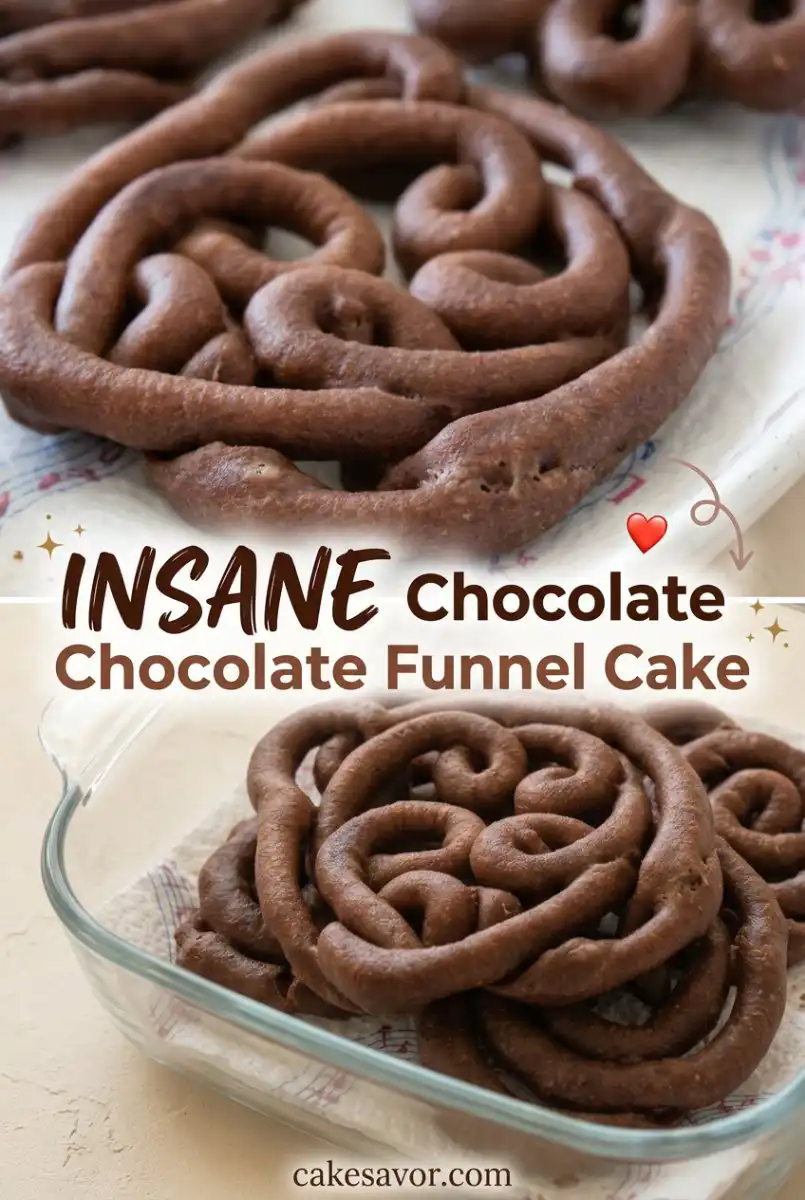
Now that you see how easy it is to bring these rich cocoa loops to life, it is time to heat up your skillet. This quick fry-up shows that baking does not always require hours of waiting or a sink full of cake pans. If you want to master the basics of the batter before playing with spices, check out our classic funnel cake recipe to build your confidence. Once you start streaming that chocolate batter into the hot oil, you will realize how simple it is to create pure joy from scratch.
We would truly love to see your chocolate creations and hear about the fun toppings you chose to layer on top. Please share your beautiful pictures and baking triumphs with our supportive community of home bakers on Pinterest and Facebook. You can also watch quick video tutorials and connect with us on TikTok or join our channel on Telegram for daily inspiration. Grab your squeeze bottle, gather your favorite people, and start frying up some warm memories today. Happy baking, and enjoy every single crispy, chocolate-filled bite!