A simple butter loaf is wonderful, but adding sweet mango and a tiny drop of almond extract turns a good cake into a wow cake.

This buttery Mango Butter Cake relies on that single hint of almond to make the tropical fruit taste even deeper. Creaming the butter until it is pale and fluffy creates a crumb that melts instantly on your tongue. Layering the fresh fruit right inside the batter means every single slice is packed with jammy pockets of sweetness. You will find that this bake disappears quickly from your counter.
Why the Flavor Pop Works in This Mango Butter Cake
Prep: 15 min · Serves: 12 · Difficulty: Easy
- Dense crumbs with a velvety melt
- Pockets of real tropical fruit sweetness
- Almond notes that highlight the mango
- Simple pantry staples make baking easy
- Tastes even richer on the second day
If you want to grow your baking repertoire beyond a traditional lemon drizzle cake, this tropical twist is your path. This is the aromatic treat your friends will ask you to bake for every afternoon gathering.
Get The Full Cake Recipe
Print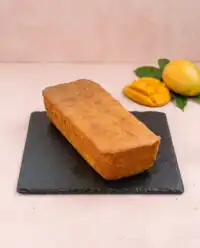
Mango Butter Cake
- Total Time: 1 hour 10 mins
- Yield: 12 servings
Description
This vibrant Mango Butter Cake features a velvety, melt-in-your-mouth crumb enhanced by a hint of almond extract. Layers of fresh, sweet mango create jammy pockets of flavor throughout this elegant and simple tropical loaf.
Ingredients
- 1 cup unsalted butter, softened
- 1 1/2 cups granulated sugar
- 3 large eggs, room temperature
- 1/2 cup whole milk
- 1 teaspoon almond extract
- 2 cups all-purpose flour
- 2 teaspoons baking powder
- 1/4 teaspoon salt
- 2 ripe mangoes, peeled and sliced
Instructions
- Prepare the oven. Preheat your conventional oven to 350°F (180°C) and line a loaf pan with parchment paper.
- Combine dry ingredients. Whisk together the flour, baking powder, and salt in a medium bowl until thoroughly combined.
- Cream butter and sugar. Beat the softened butter and granulated sugar in a stand mixer on high speed until the mixture is pale, light, and fluffy.
- Mix in liquids. Gradually add the beaten eggs to the butter mixture, followed by the milk and almond extract, mixing until incorporated.
- Fold in flour. Gently fold the flour mixture into the wet batter using a rubber spatula until just combined, being careful not to overwork the dough.
- Layer the cake. Pour one-third of the batter into the loaf pan, top with a layer of mango slices, and repeat until all batter and fruit are used.
- Bake the cake. Bake for 50 to 55 minutes or until a wooden tester inserted into the center comes out clean.
- Cool completely. Allow the cake to cool in the pan for 10 minutes before removing it to a wire rack to cool fully before slicing.
Notes
- Ensure all dairy and egg components are at room temperature to achieve a stable and smooth batter emulsion.
- Dust your mango slices with a light coating of flour before layering to prevent them from sinking during the baking process.
- Use a digital kitchen scale for flour measurements to ensure the cake remains moist rather than becoming dense and heavy.
- Wait at least 24 hours after cooling to slice the cake, as this allows the butter and fruit flavors to mature and distribute evenly.
- Prep Time: 15 mins
- Cook Time: 55 mins
- Category: Dessert
- Method: Baking
- Cuisine: Tropical Fusion
The Flavor Lineup
Baking this beautiful loaf requires a thoughtful selection of classic kitchen staples paired with sweet, fragrant tropical fruit. Each ingredient plays a specific role in balancing the dense, rich texture of the butter with the natural moisture of the fruit. Taking the time to understand how these elements interact is the key to creating a cake that feels light yet satisfyingly rich. Here is what you need to gather from your pantry and spice drawer before turning on your stand mixer.
- Unsalted Butter: This is the rich foundation of our recipe, providing that unmistakable, melt-in-your-mouth feel and a beautiful golden color. Using unsalted butter allows you to control the exact level of seasoning, ensuring the delicate fruit flavors are never overshadowed by excess sodium.
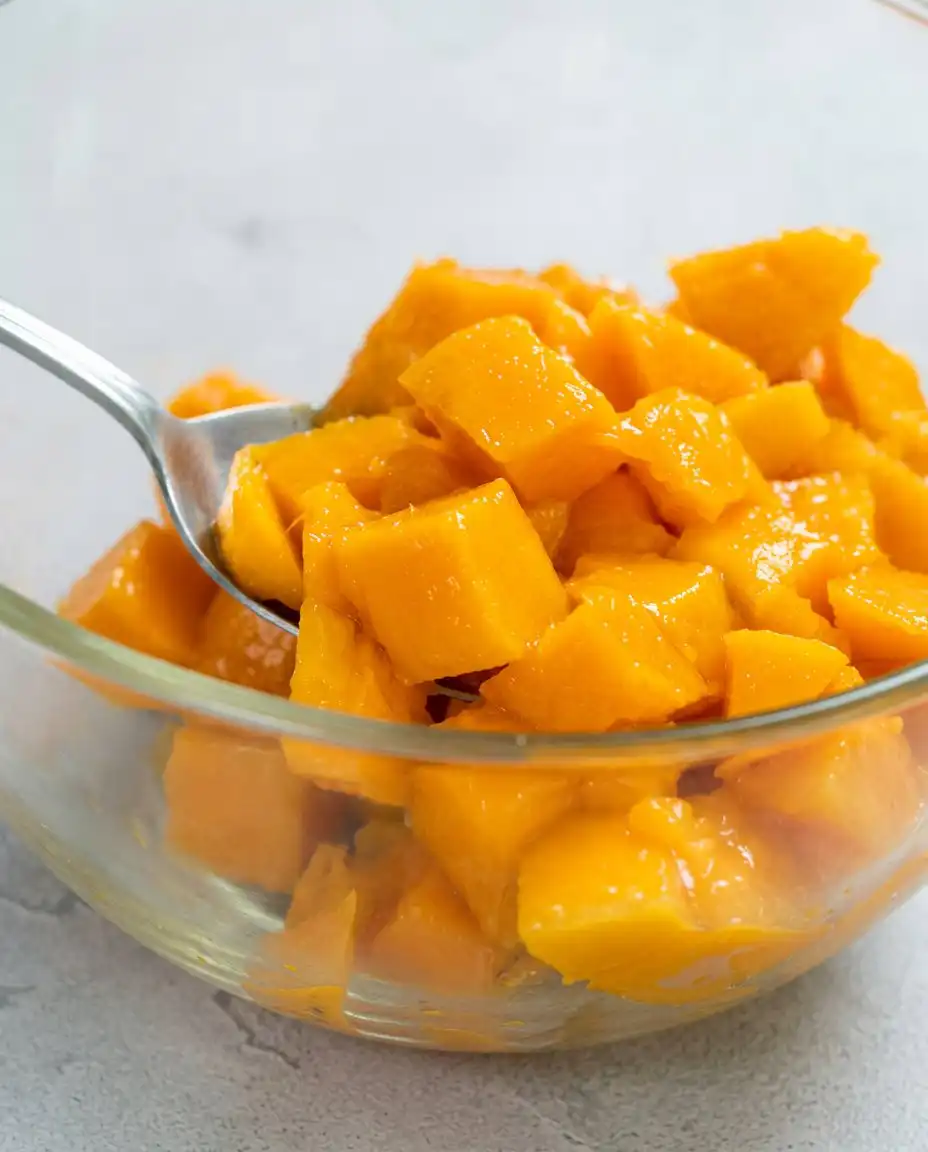
- Fresh Mango: The star of the show, sliced thin and layered directly into the batter to create jammy, concentrated pockets of tropical sweetness as it bakes. Choosing a mango that is ripe but firm helps the fruit release the ideal amount of juice without making the surrounding cake soggy.
- Almond Extract: Our singular flavor pop that coaxes out the natural, honeyed aroma of the fresh mangoes. Just a tiny drop of this fragrant extract adds a subtle depth that will make your guests wonder what secret ingredient makes the cake taste so unique.
- Granulated Sugar: Beyond adding sweetness, sugar is crucial for trapping air bubbles when beaten with the butter. This aeration is what gives our dense, rich loaf its surprisingly light and fluffy structure.
- Large Eggs: These provide the necessary structure, moisture, and emulsification to hold our rich batter together. Using room-temperature eggs is essential to prevent the creamed butter from seizing and curdling during the mixing process.
- Whole Milk: Adds a touch of liquid moisture to soften the gluten in the flour, resulting in an incredibly tender and soft crumb. It also helps to distribute the sugar and leavening agents evenly throughout the batter.
- All-Purpose Flour: Provides the structural framework for the loaf, ensuring it can support the weight of the heavy mango slices. Measuring it accurately prevents the cake from becoming dense, dry, or overly bready.
- Baking Powder: The gentle leavening agent that gives this heavy, fruit-filled batter the lift it needs to rise beautifully in the oven. It ensures the cake is light and soft rather than flat and heavy.
| Ingredient | Why It Matters |
|---|---|
| Unsalted Butter | Creates a rich, velvety texture that melts on your tongue. |
| Fresh Mango | Adds natural moisture and pockets of sweet tropical flavor. |
| Almond Extract | Acts as the secret ingredient that boosts the fruit aroma. |
| Granulated Sugar | Aerates the fat during mixing for a lighter crumb structure. |
| Large Eggs | Bind the batter together while providing lift and rich color. |
Building the Flavor
Step 1: Prepare Your Equipment and Pan
Start by lining the bottom of your loaf pan with parchment paper to make removal easy after baking. Preheat your conventional oven to 350°F (180°C), making sure to adjust the temperature down by 10 or 15 degrees if using a convection oven with both top and bottom heat. Peel your ripe mango carefully with a sharp knife, cutting close to the stone on all sides to salvage as much sweet flesh as possible. Slice the fruit into uniform quarter-inch pieces, setting them aside so they are ready to be layered into the batter.
Step 2: Combine the Dry Elements
In a medium-sized mixing bowl, combine your all-purpose flour, baking powder, and a pinch of salt. Use a wire whisk to stir the dry ingredients together thoroughly, helping to distribute the leavening agent evenly throughout the flour. This simple step helps prevent your cake from rising unevenly or having pockets of salt in the finished crumb. Set this bowl aside near your mixer so it is easily accessible when it comes time to build the batter.
Step 3: Cream the Butter and Sugar
Place your softened, room-temperature butter and granulated sugar into the bowl of a stand mixer fitted with the whisk attachment. Beat the mixture on high speed for several minutes until it transforms into a pale, light, and fluffy texture. Be sure to stop the mixer halfway through to scrape down the sides of the bowl with a rubber spatula, making sure every grain of sugar is fully incorporated. Creaming this mixture properly is vital to prevent your cake from turning out hard and dense.
Step 4: Add the Whipped Eggs and Milk
Crack your room-temperature eggs into a separate bowl and beat them gently with a hand whisk before adding them to the creamed butter. Lower the mixer speed to medium and gradually add the beaten eggs, about one-quarter at a time, allowing each addition to incorporate fully before adding more. Slowly pour in the whole milk and a drop of almond extract, mixing continuously until the liquids are beautifully combined. Do not worry if the mixture looks slightly separated at this stage, as the flour will quickly bring it back together.
Step 5: Fold the Flour Gently by Hand
Reduce your mixer speed to the lowest setting and add the whisked flour mixture in three separate batches. To avoid overworking the gluten and making the cake tough, turn off the mixer before the flour is fully incorporated. Grab a sturdy rubber spatula and use a gentle, sweeping downward stroke to fold the remaining flour into the wet batter by hand. Stop folding the second you can no longer see any loose white flour, keeping the batter light and airy.
Step 6: Assemble the Mango Butter Cake
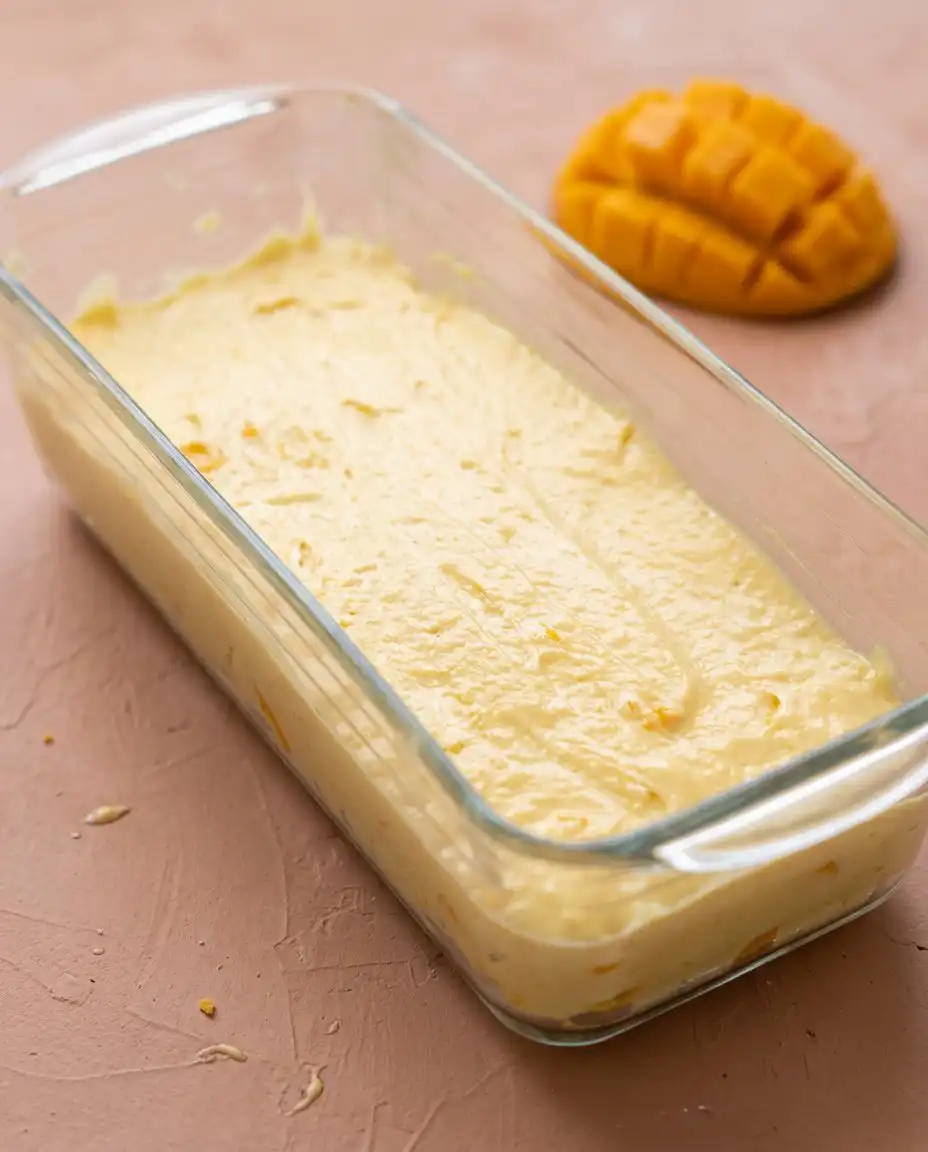
Pour about one-third of your thick, golden cake batter into the prepared loaf pan, smoothing the surface with your spatula. Arrange a single layer of your sliced mangoes across the batter, leaving a small border around the edges. Cover the fruit with another third of the batter, smooth it gently, and add a second layer of mango slices. Spread the remaining batter over the top, smoothing it out before decorating the surface with your final mango slices in a beautiful pattern.
Step 7: Bake Until Clean and Golden
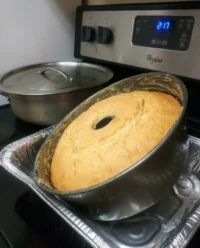
Slide the loaded loaf pan onto the middle rack of your preheated oven and bake for 50 to 55 minutes. You will know it is getting close when a warm, sweet, buttery aroma begins to fill your entire kitchen. Insert a wooden cake tester into the center of the loaf at the 50-minute mark to check for doneness. When the tester comes out clean with no wet crumbs clinging to it, remove the cake from the oven immediately.
Step 8: Cool and Wait for Flavor Development
Let the baked loaf rest in its pan on a wire rack for exactly 10 minutes to allow the structure to set slightly. Run a thin knife around the edges to loosen the sides, then carefully lift the cake out and let it cool completely on the rack. Once it is completely cool, wrap the entire loaf tightly in plastic wrap to seal in the moisture. Resist the temptation to slice it immediately, as waiting 24 hours allows the rich butter flavor to distribute beautifully throughout the cake.
Small Tweaks, Big Wow
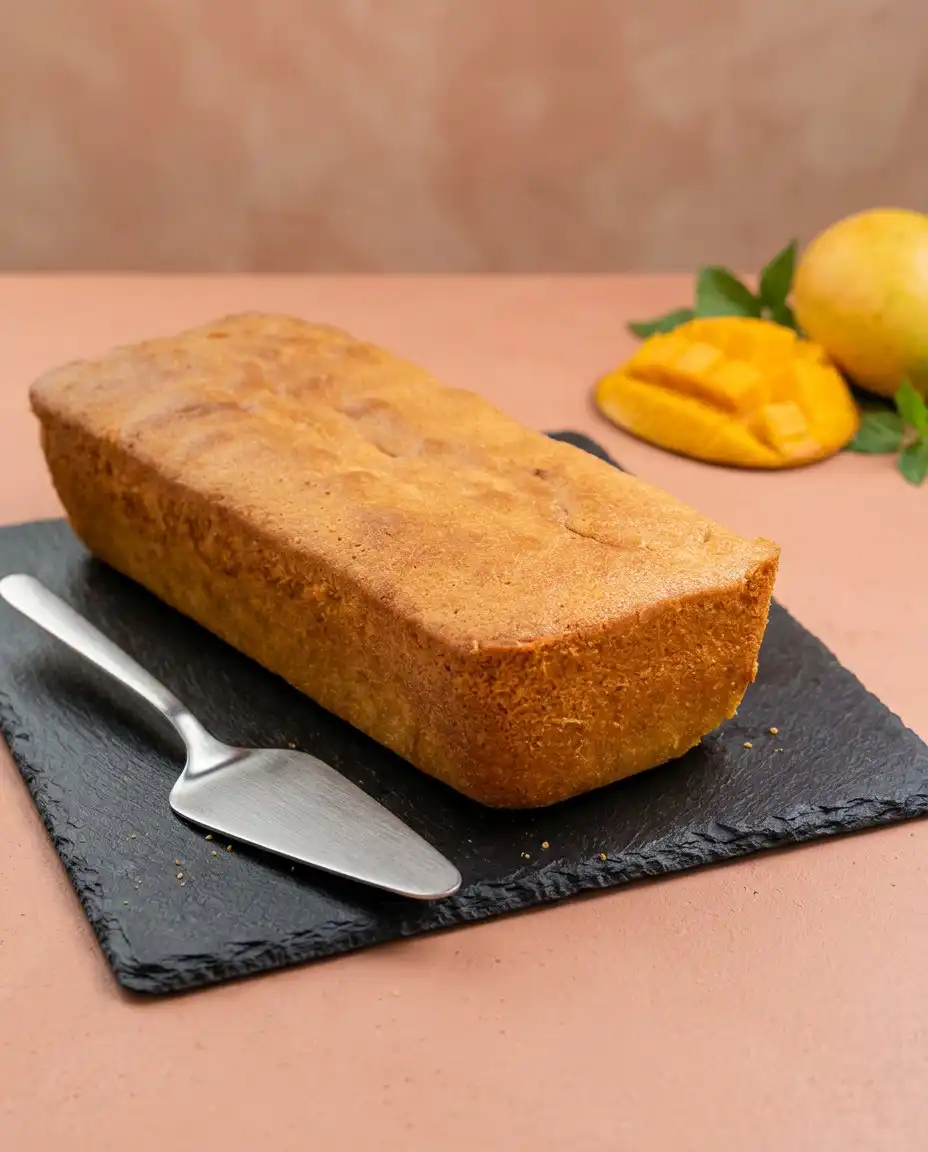
When choosing your fruit, always opt for a mango that yields slightly to gentle pressure but is not mushy. Overly ripe fruit contains too much water, which can release excess liquid into the surrounding batter during baking, leading to soggy spots in your finished sponge.
If your batter curdles when you begin adding the liquid ingredients, here is why and how to fix it. This separation occurs when the eggs or milk are too cold, causing the softened butter to solidify. To fix it, add a single tablespoon of your measured flour mixture to the batter and whisk on medium speed to restore a smooth emulsion.
Using warm baking spices is a fantastic way to customize this recipe and add a touch of warmth. Adding a tiny pinch of ground cardamom to your butter before creaming will bloom the spice, highlighting the natural tropical flavor of the mango. Our best pineapple cake guide has more information on using spices to highlight fruit bakes.
Always measure your dry ingredients using a digital kitchen scale rather than a standard measuring cup. Scooping flour with a cup packs it down, adding up to twenty percent more flour than needed and resulting in a dry, heavy loaf. Accurate weight measurements keep your crumb incredibly light, tender, and soft.
To prevent your mango slices from sinking to the bottom of the pan during baking, toss them in a teaspoon of flour before assembling. This light dusting of flour helps the fruit slices grip the batter, keeping them beautifully suspended throughout the layers of the cake.
Avoid opening the oven door too frequently during the first thirty minutes of the baking process. Sudden drops in temperature can cause the center of a fruit-heavy cake to collapse before the structure has fully set, leading to an uneven and dense bake.
Frequently Asked Questions
Can I use frozen mango for this recipe?
Yes, you can use frozen mango slices if fresh fruit is not in season. Make sure to thaw them completely in a colander first, then pat them thoroughly dry with a clean paper towel before layering them. Removing this excess moisture prevents the batter from becoming too wet, which would extend the baking time significantly.
Why did my cake sink in the center?
A sunken center is usually caused by opening the oven door too early in the baking process, which lets out the heat needed to set the cake’s structure. It can also happen if your baking powder is expired or if the mango slices were cut too thick and heavy. Always stick to thin, quarter-inch slices to ensure the rising batter can support the fruit.
How should I store this butter cake?
Store any leftover cake in an airtight container or wrapped tightly in plastic wrap at room temperature for up to three days. If you need to keep it longer, store it in the refrigerator for up to a week. To enjoy that melt-in-your-mouth texture, let individual slices sit on the counter for twenty minutes to warm up before serving.
Can I freeze this cake for later?
This loaf freezes beautifully, making it an excellent make-ahead dessert for busy weeks. Wrap the completely cooled cake tightly in plastic wrap, followed by a layer of heavy-duty aluminum foil to protect it from freezer burn. Freeze for up to three months, and thaw the wrapped cake overnight on your kitchen counter before slicing.
What can I substitute for whole milk?
You can substitute whole milk with unsweetened almond milk, oat milk, or coconut milk at a one-to-one ratio. Keep in mind that using lower-fat milk alternatives might slightly reduce the richness of the crumb. For the absolute best results and texture, we highly recommend sticking with full-fat dairy milk.
Can I make this recipe gluten-free?
Yes, you can easily make this cake gluten-free by substituting the all-purpose flour with a high-quality, one-to-one gluten-free baking blend. Make sure your chosen blend contains xanthan gum, which helps mimic the structure that gluten normally provides. The finished cake may be slightly more delicate but will taste equally wonderful.
Why is room temperature butter so critical?
Softened room-temperature butter is essential because it allows the sugar crystals to cut through the fat, creating tiny air pockets during mixing. If your butter is too cold or melted, it will not hold these air bubbles, resulting in a flat and heavy loaf. Your butter should yield easily to gentle pressure without being greasy or melty.
Swap Your Spice
For a rich, toasted twist, you can replace the standard unsalted butter with browned butter. Melting the butter over low heat until golden brown specks appear on the bottom of the pan adds a wonderful nuttiness. This toasted flavor profile pairs beautifully with the sweet mango, much like the comforting flavors found in our favorite apple cake recipe.
If you want to experiment with different seasonal fruits, this versatile batter works wonderfully with peaches, nectarines, or plums. The thick batter supports stone fruits beautifully, offering a similar jammy sweetness in every single slice. To understand the science of working with different fruit moisture levels, explore our tips on creating a beautiful fruit garden theme in your home baking.
For those interested in mastering advanced baking techniques, you can try adapting this recipe using the traditional whole egg method. Learning how to properly incorporate whole eggs without separating them is key to achieving a stable batter and an incredibly velvety crumb. For a detailed guide on this classic approach, refer to this professional technique for incorporating whole eggs into butter cake batters.
Pair It Up
Serving this fragrant cake is all about letting the bright, tropical flavors take center stage. A light dusting of powdered sugar over the top of the cooled loaf adds a simple, elegant touch without adding too much extra sweetness. Slice the cake thickly and serve it alongside a steaming cup of Earl Grey tea or a spiced chai to balance the rich, buttery crumb.
For a more indulgent dessert presentation, serve warm slices of the cake with a generous dollop of unsweetened whipped cream or a scoop of creamy vanilla bean ice cream. The cold cream melting into the warm, golden cake creates a truly spectacular contrast of temperatures and textures. If you love classic fruit-and-cake pairings, you should also try our beautiful peach upside down cake recipe for your next gathering.
This loaf also makes a wonderful addition to an afternoon brunch spread or a casual weekend picnic. It packs and travels incredibly well when wrapped tightly, making it easy to slice and share outdoors. Pair it with a fresh fruit salad or a selection of light cheeses to create a balanced and inviting spread for your guests.
Save This Twist
Baking is a wonderful way to bring creativity into your kitchen, and this simple recipe is the perfect canvas for your personal touch. Whether you stick strictly to the classic steps or decide to add a warm spice from your drawer, you will end up with a memorable dessert. This is where you make it yours, so do not hesitate to experiment and enjoy the process.
If you are looking for more fruit-filled bakes to try this weekend, consider trying our delicious best pineapple cake for another sweet tropical adventure. Each recipe we share is designed to help you build your baking confidence while keeping the entire process fun and stress-free. We hope this lovely golden loaf brings a little bit of sunshine into your home.
We would absolutely love to see how your beautiful loaf turns out! Share your baking triumphs with our community on Pinterest, follow along for more kitchen inspiration on Facebook, watch our step-by-step baking videos on TikTok, or join our chat on Telegram to connect with fellow home bakers.