If you have got ten minutes of hands-on time, you have got this classic pound cake ready to bake while your morning coffee brews.

This Classic Pound Cake relies on staple pantry ingredients you likely already have sitting on your kitchen counter. There are no fancy tricks or complicated steps required to get that dense, velvety texture we all crave in a traditional loaf. It is the perfect recipe to whip up on a lazy weekend morning or even a busy Tuesday evening. Best of all, the single-pan cleanup means you can enjoy your warm slice without a sink full of dirty dishes waiting for you.
What Makes This Classic Pound Cake Shine
Prep: 10 min · Serves: 12 · Difficulty: Easy
- Requires only ten minutes of active prep.
- Uses basic ingredients already in your pantry.
- Delivers a rich, melt-in-your-mouth crumb texture.
- Slices beautifully for morning coffee or tea.
- One pan cleanup makes baking a breeze.
While I love a delicate classic vanilla butter cake for celebrations, this simple loaf is my favorite go-to for daily comfort. It fits right into a busy schedule without sacrificing any of that rich, buttery satisfaction.
This is the honest recipe your family will ask for every single week.
Get The Full Cake Recipe
Print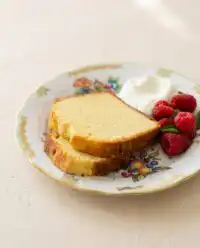
Classic Pound Cake
- Total Time: 1 hour 15 mins
- Yield: 12 servings
Description
This classic pound cake delivers a rich, buttery crumb and a delicate, golden-brown exterior using simple pantry staples. It is the perfect uncomplicated loaf for a quick weekend bake or a cozy everyday treat.
Ingredients
- 2 cups all-purpose flour
- 1 cup unsalted butter, softened
- 1 1/2 cups granulated sugar
- 4 large eggs, room temperature
- 1/2 cup sour cream, room temperature
- 2 teaspoons vanilla extract
- 1/2 teaspoon salt
- 1 teaspoon baking powder
Instructions
- Prep pan and oven. Preheat your oven to 350°F and grease a 9×5-inch loaf pan, dusting it with flour for easy release.
- Whisk dry ingredients. In a medium bowl, combine the flour, salt, and baking powder until uniform.
- Cream butter and sugar. Beat the softened butter and granulated sugar for about four minutes until the mixture is pale, light, and fluffy.
- Add eggs individually. Incorporate the room-temperature eggs one at a time, ensuring each is fully mixed before adding the next.
- Incorporate liquids. Mix in the sour cream and vanilla extract on low speed until just combined.
- Fold in flour. Add the dry ingredients to the wet batter and mix on the lowest setting only until the flour pockets disappear.
- Bake the cake. Transfer the batter to the prepared pan and bake for approximately 65 minutes, covering with foil if the top browns too quickly.
- Cool and serve. Allow the cake to rest in the pan for ten minutes before transferring to a wire rack to cool completely.
Notes
- Ensure all dairy and egg components are at room temperature to prevent the batter from seizing.
- Use the spoon-and-level method for measuring flour to avoid adding excess density to the loaf.
- For a signature bakery-style crack, score the top of the batter with a thin strip of butter before baking.
- Always monitor the cake around the 40-minute mark to determine if a foil shield is necessary to prevent over-browning.
- Prep Time: 10 mins
- Cook Time: 65 mins
- Category: Dessert
- Method: Baking
- Cuisine: American
Pantry Lineup
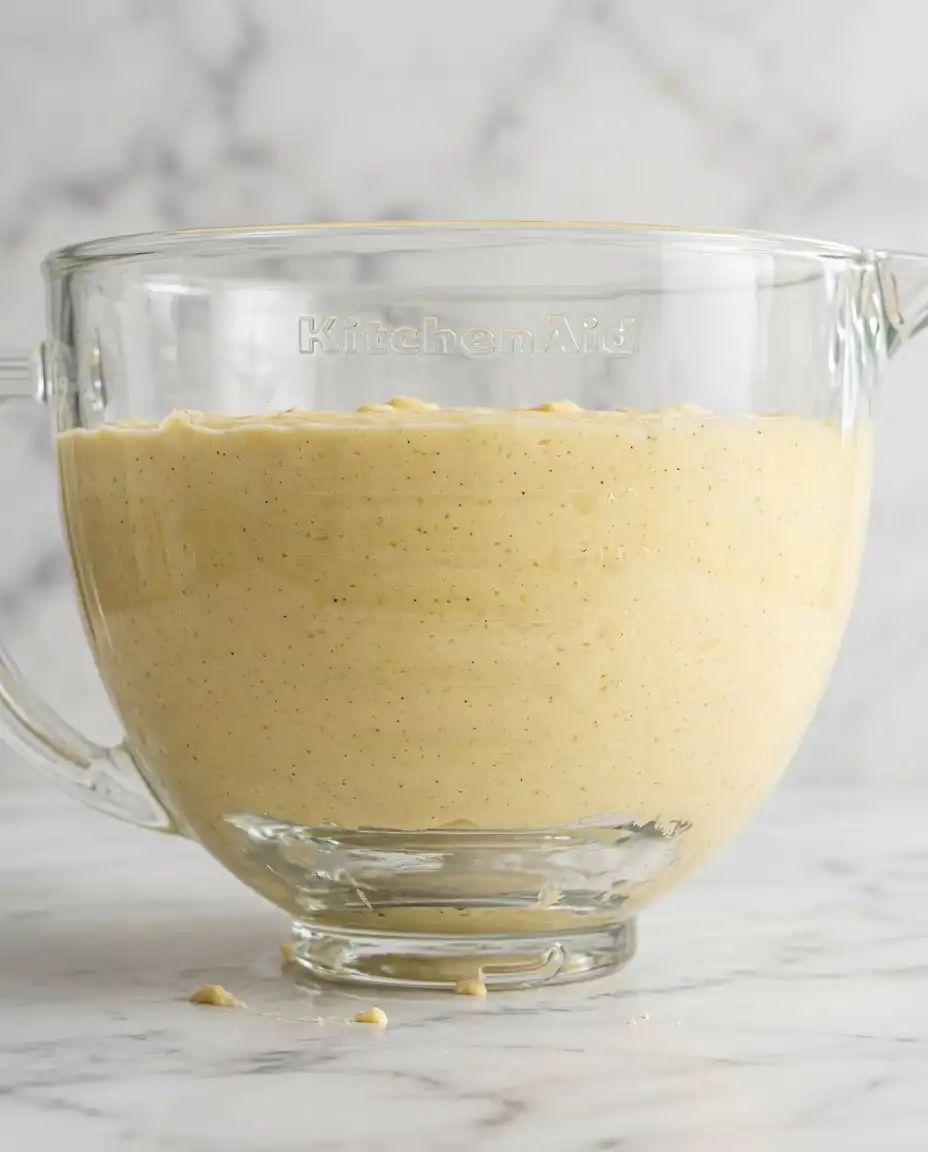
Baking should never feel like a chore that requires a special trip to a gourmet grocery store. This recipe relies on humble, everyday items that combine to create something truly spectacular on your kitchen counter. Let us look at what you need to gather before turning on your oven and preparing to bake your Classic Pound Cake.
- All-Purpose Flour: This provides the essential structure for our loaf, giving it that classic tight crumb without making it heavy or tough. Be sure to spoon and level your flour rather than scooping it directly from the bag to avoid a dry cake.
- Unsalted Butter: Using unsalted butter allows you to control the exact amount of salt in your recipe while delivering that unmistakable rich, buttery flavor. Make sure it is softened to room temperature so it creams beautifully with the sugar.
- Granulated Sugar: This sweetens the loaf while helping to lock in moisture and create a gorgeous, golden-brown crust. When beaten with the butter, it creates tiny air pockets that help the batter rise.
- Large Eggs: These act as the binder and provide natural leavening, giving the loaf its height and signature rich yellow color. It is critical that they are at room temperature so they incorporate smoothly without curdling.
- Sour Cream: Adding this ingredient introduces a wonderful tang and a massive boost of moisture to the crumb. It ensures your loaf stays soft and fresh for days after baking.
- Vanilla Extract: A generous splash of high-quality pure vanilla brings all the sweet, buttery flavors together in perfect harmony. It fills your entire house with a warm, comforting aroma as the cake bakes.
| Ingredient | Why It Matters |
|---|---|
| All-Purpose Flour | Creates the essential structure and a delicate, tight crumb. |
| Unsalted Butter | Delivers the signature rich flavor and a tender texture. |
| Granulated Sugar | Sweetens the cake while creating a beautiful golden crust. |
| Large Eggs | Provide structure, height, and natural leavening power. |
| Sour Cream | Adds incredible moisture and a subtle, balanced tang. |
| Vanilla Extract | Infuses the loaf with a warm, classic aromatic depth. |
From Bowl to Oven
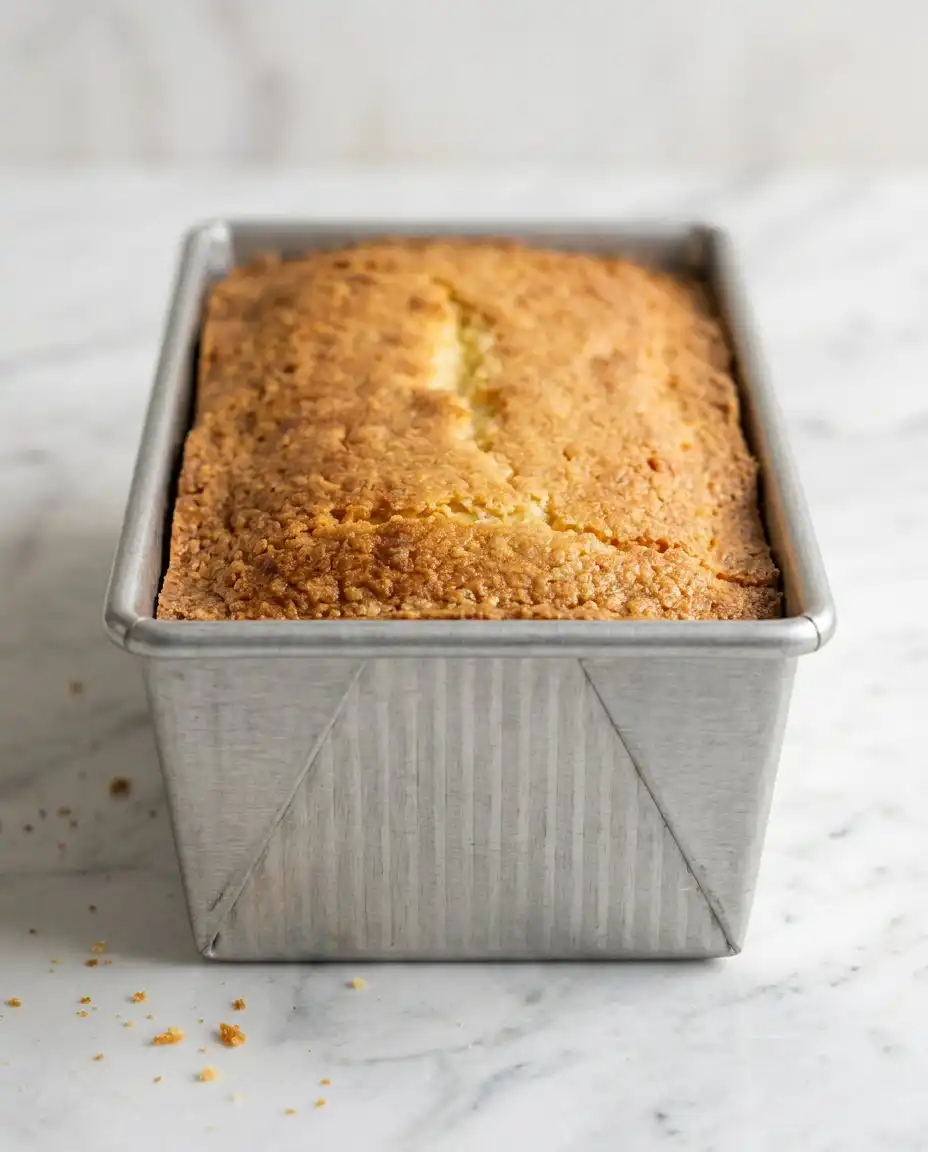
Step 1: Prep Your Loaf Pan and Oven
First, set your oven to 350°F and prepare your baking space so everything is ready to go. Grease a standard 9×5-inch loaf pan generously with softened butter, making sure to coat every single corner and side. Dust the interior with a light coating of all-purpose flour, tapping out any excess over the sink to guarantee your finished loaf slips out effortlessly.
Step 2: Whisk the Dry Ingredients
Grab a medium mixing bowl and combine your dry ingredients to prevent clumping. Whisk together the all-purpose flour, salt, and baking powder until the mixture is uniform and airy. Setting this dry mixture aside now allows you to focus fully on creaming your wet ingredients in the next step.
Step 3: Cream the Butter and Sugar
In your main mixing bowl, beat the room-temperature unsalted butter for about two minutes on medium speed until it looks pale and creamy. Gradually pour in the granulated sugar and continue mixing for another two minutes until the mixture feels light and fluffy. Scrape down the sides of the bowl with a flexible spatula to make sure no butter is left unmixed at the bottom.
Step 4: Add the Eggs One by One
With your mixer running on medium-low speed, add the room-temperature eggs to the butter mixture one at a time. Allow each egg to fully disappear into the batter before cracking in the next one to maintain a stable emulsion. Take a moment to scrape the bowl down once more so the final batter is completely uniform and smooth.
Step 5: Incorporate the Sour Cream and Vanilla
Gently fold in the room-temperature sour cream and the pure vanilla extract, mixing on low speed until combined. The batter might look slightly textured at this stage, but it will come together beautifully once we add our flour. Keep your speed low to avoid whipping too much air into the wet ingredients.
Step 6: Gently Fold in the Flour Mixture
Pour the whisked dry ingredients into your wet batter all at once, then turn your mixer to its lowest setting. Mix only until the flour pockets disappear, which should take less than thirty seconds of active mixing. Finish the process by hand with a spatula, scraping the bottom of the bowl to catch any hidden dry patches.
Step 7: Bake Your Classic Pound Cake to Perfection
Spoon the thick, luscious batter into your prepared loaf pan and smooth the top into an even layer using your spatula. Place the pan on the center rack of your preheated oven and bake for approximately 65 minutes, checking it at the 40-minute mark. If the top is already deep golden, drape a sheet of aluminum foil loosely over the loaf to prevent over-browning.
Step 8: Cool and Unmold the Loaf
Remove the baking pan from the oven when a wooden skewer inserted into the center comes out clean and dry. Let the loaf rest in its pan on a wire cooling rack for ten minutes to allow the structure to set. Gently run a thin knife around the edges of the pan, invert the loaf onto the rack, and let it cool completely before slicing.
Little Things That Help
Always make sure your dairy ingredients are truly at room temperature before you begin mixing. Cold eggs or cold sour cream will cause your creamed butter to seize, resulting in a dense and heavy loaf rather than a tender crumb. Leave your ingredients on the counter for at least an hour before you plan to bake.
If your cake is dense with a gummy layer at the bottom, here is why and how to fix it. This common issue usually happens when the butter and sugar are not creamed long enough, or if the eggs are beaten too aggressively at the end. Make sure to cream the butter and sugar until light and fluffy, and keep your mixing speed low once the flour is added.
To get that classic bakery-style crack down the middle of your loaf, try the butter trick. Cut a very thin strip of butter and place it lengthwise right down the center of your batter before it goes into the oven. This encourages the batter to rise up through the center as it bakes, creating a beautiful signature dome.
For a slightly different citrus twist on this classic recipe, you might enjoy trying a homemade lemon pound cake for your next weekend project. The bright lemon zest pairs beautifully with the rich, buttery base we created here.
When measuring your dry ingredients, always use the spoon-and-level method rather than scooping directly from the bag. Scooping packs the flour into the measuring cup, adding up to twenty percent more flour than the recipe calls for. This extra flour will make your loaf dry and crumbly instead of moist and tender.
Understanding the science of ratios can help you become a more confident baker. Reading about traditional pound cake baking methods shows how historical bakers used equal weights of ingredients to achieve the ideal balance without modern leaveners.
Frequently Asked Questions
What is the original pound cake?
The original version of this classic dessert dates back to northern Europe in the early 1700s. It was made using exactly one pound each of flour, butter, sugar, and eggs. This simple formula made it incredibly easy to remember for home bakers who did not have access to written recipe books.
Why did my pound cake turn out dry?
A dry loaf is usually the result of over-baking or adding too much flour during the mixing stage. To prevent this, always measure your flour using a digital kitchen scale or the spoon-and-level method. Keep a close eye on your oven and test the center with a wooden skewer a few minutes before the timer goes off.
Can I freeze this cake for later?
This loaf freezes beautifully and can be stored for up to three months. Wrap the completely cooled cake or individual slices tightly in a double layer of plastic wrap, followed by a layer of aluminum foil. When you are ready to enjoy a slice, let it thaw on the kitchen counter at room temperature for about an hour.
What exactly is a pound cake?
This is a dense, rich cake historically characterized by its equal-weight ratios of four basic ingredients. Unlike light and airy sponge cakes, it has a tight, velvety crumb structure that holds its moisture exceptionally well. Modern variations often add sour cream or milk to improve the tenderness.
Why is it called a pound cake?
The name comes directly from the weight of the ingredients used in the traditional recipe. Because it required one pound of flour, one pound of butter, one pound of sugar, and one pound of eggs, the name stuck. This simple mnemonic device allowed bakers to scale the recipe up or down with ease.
Can I use a different pan instead of a loaf pan?
You can easily bake this batter in a standard bundt pan or a round cake pan if you do not have a loaf pan handy. Keep in mind that changing the pan shape will affect the baking time, so you will need to adjust your timer accordingly. A bundt pan will generally take slightly less time than a deep loaf pan to bake all the way through.
How should I store the leftover cake?
Store your leftovers in an airtight container or wrapped tightly in plastic wrap on your kitchen counter for up to four days. Avoid refrigerating the cake, as the cold air will dry out the delicate crumb structure quickly. For longer storage, freezing individual slices is always your best option.
Simple Swaps
To add a warm, cozy note to your loaf, try folding in a teaspoon of ground cinnamon and a pinch of nutmeg to the dry ingredients. You can also sprinkle a tablespoon of coarse demerara sugar over the top of the batter before baking to create a crunchy, sweet crust. This spiced version is wonderful during the autumn months when you want something comforting with your afternoon tea.
If you prefer a lighter, tangier crumb, you can swap the sour cream for whole-milk buttermilk. This variation works beautifully and mimics the texture of a classic perfect buttermilk vanilla cake while keeping the simple loaf format. Be sure to tap the pan on the counter a few times to release any large air bubbles before baking a delicious Classic Pound Cake variation.
For chocolate lovers, you can easily turn this into a marble loaf by dividing the batter in half. Stir three tablespoons of Dutch-processed cocoa powder into one half, then alternate spoonfuls of vanilla and chocolate batter in your pan. Run a butter knife through the batter in a figure-eight pattern to create a beautiful swirled effect before sliding it into the oven.
Slice & Serve
Serving this simple dessert is as straightforward as it gets, making it ideal for casual gatherings or quiet weekday mornings. Slice the loaf thick, about one inch per slice, to truly appreciate the dense and velvety crumb structure we worked hard to create. When bringing your Classic Pound Cake to the table the next day, a brief ten-second run in the microwave will revive that fresh-from-the-oven warmth and aroma.
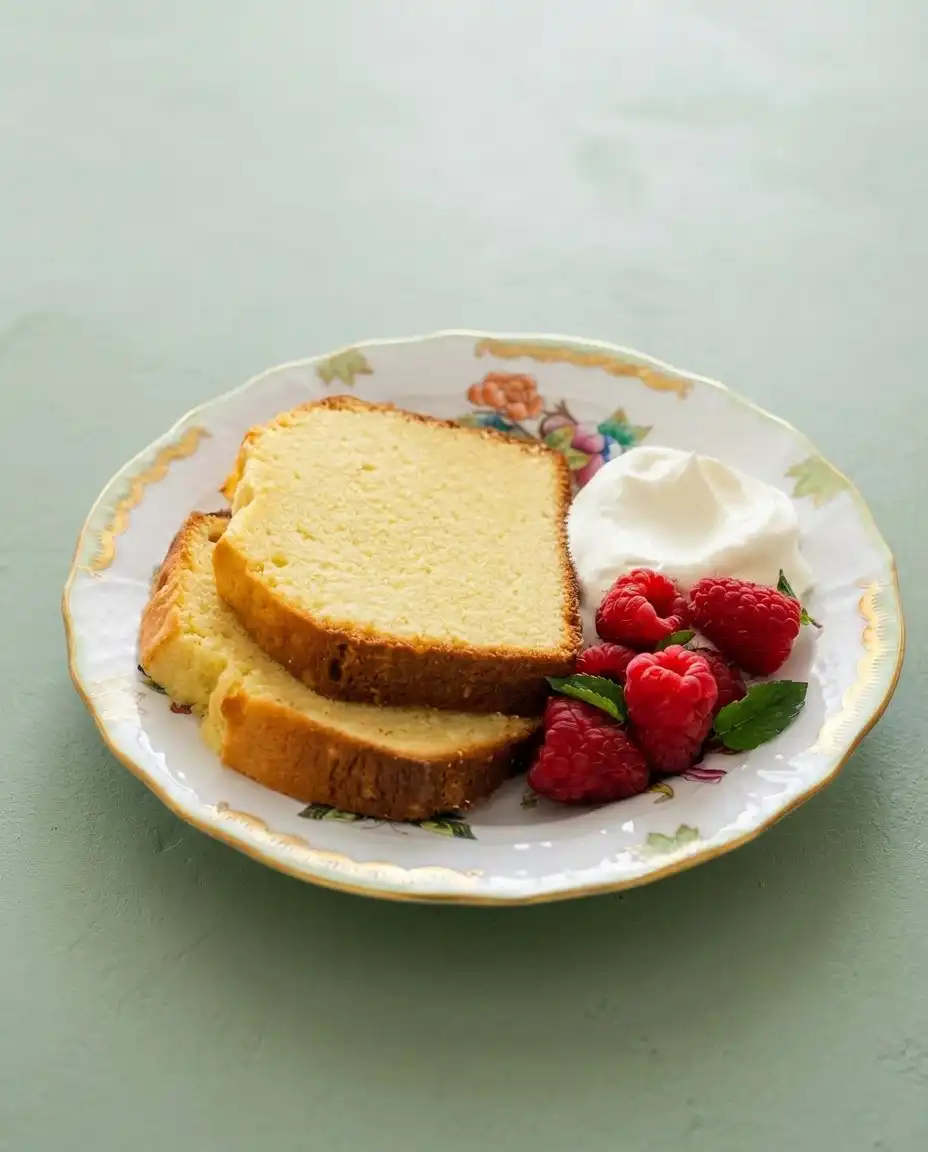
For a slightly more elegant presentation, you can dress up each slice with a dollop of lightly sweetened whipped cream and a handful of fresh berries. Raspberries, blackberries, or sliced strawberries add a beautiful touch of acidity that cuts through the rich, buttery crumb of the cake. This approach is reminiscent of how we serve our popular lemon pound cake 2 during summer garden parties.
Toasted slices are another incredible way to enjoy leftovers on a cozy weekend morning. Place a slice under the broiler or in a toaster oven for a minute until the edges turn golden and crisp, then spread a thin layer of salted butter or fruit preserves over the warm surface. It transforms a simple dessert into a spectacular breakfast option that pairs beautifully with a hot mug of coffee.
Bake It Soon
Baking does not have to be a complicated endeavor that consumes your entire afternoon. This recipe proves that simple ingredients and straightforward steps can yield a spectacular dessert that everyone will love. Whether you are baking this between dinner and bedtime on a quiet Tuesday or saving it for a weekend project, it is sure to bring comfort to your home.
If you enjoyed this straightforward loaf, you might also want to try our simple yellow cake recipe for your next family birthday celebration. It features the same approachable baking philosophy with real ingredients and honest flavor. We believe that everyone should feel confident in the kitchen, and this recipe is the perfect place to start.
I would love to see your beautiful creations when you bake this at home. Please share your photos with us and join our friendly baking community online to find more inspiration for your next kitchen adventure. You can follow our journey and connect with us on Pinterest, Facebook, and Telegram to stay updated on our latest simple bakes.