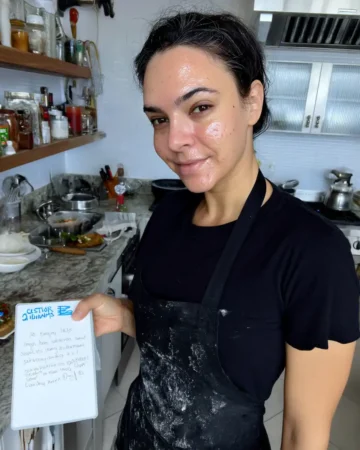
When the clock hits eight on a quiet Tuesday evening and you realize you have a couple of ripe mangoes on the counter, this quick single-pan cake is the sweetest way to unwind.

This beautiful Mango Fresh Fruit Topped Cake brings all the sunny warmth of tropical flavors straight to your kitchen counter. You do not need a fancy pastry degree or hours of free time to create a stunning treat that tastes like pure sunshine. With a soft coconut-infused crumb and heaps of fresh golden fruit, it comes together while your evening coffee brews. Cleanup is a breeze, leaving you with nothing but a beautiful dessert and a clean kitchen before bedtime.
Why This Mango Fresh Fruit Topped Cake Is a Keeper
Baking this beautiful cake is the easiest way to bring tropical sunshine home.
Prep: 15 min · Serves: 8 · Difficulty: Easy
- Sweeps together quickly with basic kitchen tools.
- Brings bright tropical warmth to your kitchen.
- Requires only one main mixing bowl.
- Yields a highly tender and rich crumb.
- Uses fresh, sweet summer fruit naturally.
You will feel like a master baker without losing your entire Saturday afternoon.
Baking should never feel like a chore that drains your energy. This recipe turns your counter into a cozy sanctuary where sweet fruit and rich butter blend together. It is the type of dessert that makes a normal Tuesday feel special.
If you enjoyed reading our popular easy mango butter cake story, you will fall head over heels for this fruit-covered upgrade.
Get The Full Cake Recipe
Print
Mango Fresh Fruit Topped Cake
- Total Time: 85 mins
- Yield: 8 servings
- Diet: Vegetarian
Description
This vibrant single-pan cake features a moist, coconut-infused crumb topped with generous portions of fresh golden mango. It is an effortless, sunny dessert that comes together quickly for a perfect tropical treat anytime.
Ingredients
- 2 ripe non-fibrous mangoes
- 1/2 cup full-fat coconut milk
- 1/2 cup unsalted butter, softened
- 1 cup granulated sugar
- 1/2 teaspoon coconut extract
- 2 tablespoons canola oil
- 2 large eggs, room temperature
- 2 cups all-purpose flour
- 1 teaspoon baking powder
- 1/2 teaspoon baking soda
- 1/4 teaspoon salt
Instructions
- Prepare oven and pan. Preheat your oven to 325 degrees Fahrenheit and grease a seven-inch round baking pan, dusting it lightly with flour.
- Puree the mangoes. Peel and pit the mangoes, blending the flesh in a processor until completely smooth, adding a splash of water if necessary.
- Cream butter and sugar. Beat the softened butter and sugar in a large bowl for three to four minutes until the mixture is pale, fluffy, and light.
- Incorporate wet ingredients. Mix in the eggs one at a time, then add the coconut extract, coconut milk, oil, and a half-cup of mango puree, beating until voluminous.
- Sift dry ingredients. Whisk and sift together the flour, salt, baking powder, and soda in a separate bowl to remove all lumps.
- Fold in flour. Gradually fold the dry ingredients into the wet batter in three parts, using a spatula to ensure a tender, non-tough crumb.
- Add remaining fruit. Fold in the remaining quarter-cup of puree and pour the batter into the prepared pan, topping with freshly diced mango pieces.
- Bake the cake. Bake for 65 to 70 minutes until deep golden brown and a toothpick inserted into the center comes out clean.
- Cool and release. Rest the pan for five minutes, run a knife around the edges to loosen, and invert onto a wire rack to cool completely before serving.
Notes
- Ensure all dairy and egg ingredients are at room temperature to prevent the batter from curdling or becoming dense.
- Use a spoon-and-level method to measure your flour to avoid packing it down and creating a dry, crumbly cake texture.
- Avoid over-mixing the batter once the flour is added to keep the sponge light and airy rather than tough.
- Choose non-fibrous mango varieties like Alphonso or Kesar for the smoothest, most luxurious fruit puree and topping.
- Let the cake cool entirely before adding any powdered sugar or glazes to prevent the finish from melting into the crust.
- Prep Time: 15 mins
- Cook Time: 70 mins
- Category: Dessert
- Method: Baking
- Cuisine: Tropical
Simple Ingredients for Tropical Baking
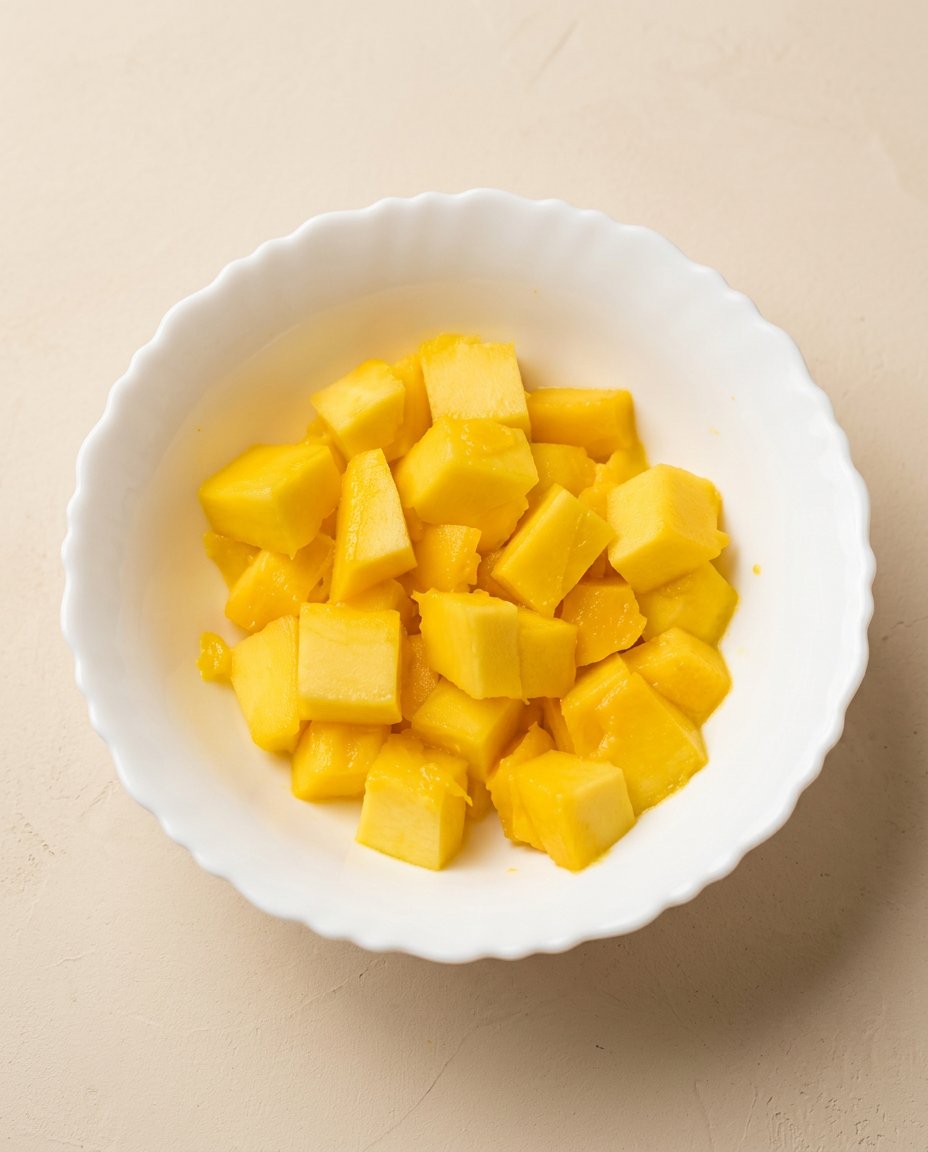
Gathering these items takes only a few minutes. You likely have most of these baking essentials sitting in your cupboard right now.
- Ripe Mangoes: Fresh fruit provides the natural sweetness and thick pulp needed to keep the sponge moist and fragrant.
- Coconut Milk: Full-fat milk adds a rich texture and subtle tropical creaminess that pairs beautifully with the fruit.
- Unsalted Butter: Creaming room-temperature butter with sugar forms the structural base for a soft crumb.
- Coconut Extract: A splash of this extract deepens the warm island aroma without overwhelming the star ingredient.
- Canola Oil: Adding a touch of neutral oil guarantees the cake stays soft for days on your counter.
- Baking Powder and Soda: These dual leaveners work together to give our heavy fruit batter a beautiful, light lift.
- Large Eggs: Room-temperature eggs provide structure and bind the wet and dry ingredients into a smooth batter.
| Ingredient | Why It Matters |
|---|---|
| Ripe Mangoes | Provide moisture, natural sweetness, and intense tropical flavor to the batter. |
| Coconut Milk | Rich liquid that tenderizes the crumb and adds a creamy depth. |
| Unsalted Butter | Creates a velvety structure when creamed with granulated sugar. |
| Canola Oil | Keeps the crumb soft and prevents the cake from drying out. |
| Coconut Extract | Enhances the tropical aroma and rounds out the sweet fruit notes. |
Selecting the ideal mango is the secret to success here. You want to seek out non-fibrous varieties like Alphonso or Kesar, which have a buttery texture and highly concentrated sweetness. Avoiding pale, stringy, or underripe fruit prevents the sponge from becoming sour or unpleasantly fibrous.
If you cannot source fresh non-fibrous varieties, high-quality canned pulp works beautifully. Make sure there is no added sugar in the pulp, as this could throw off the balance of our simple recipe. Using pure fruit guarantees the natural sweetness shines through in every bite.
Letting your butter and eggs reach room temperature is equally important. When these ingredients are warm, they emulsify cleanly and trap air during the creaming process. This creates tiny pockets of air that expand in the oven, giving your cake a beautifully light and tender texture.
From Bowl to Oven
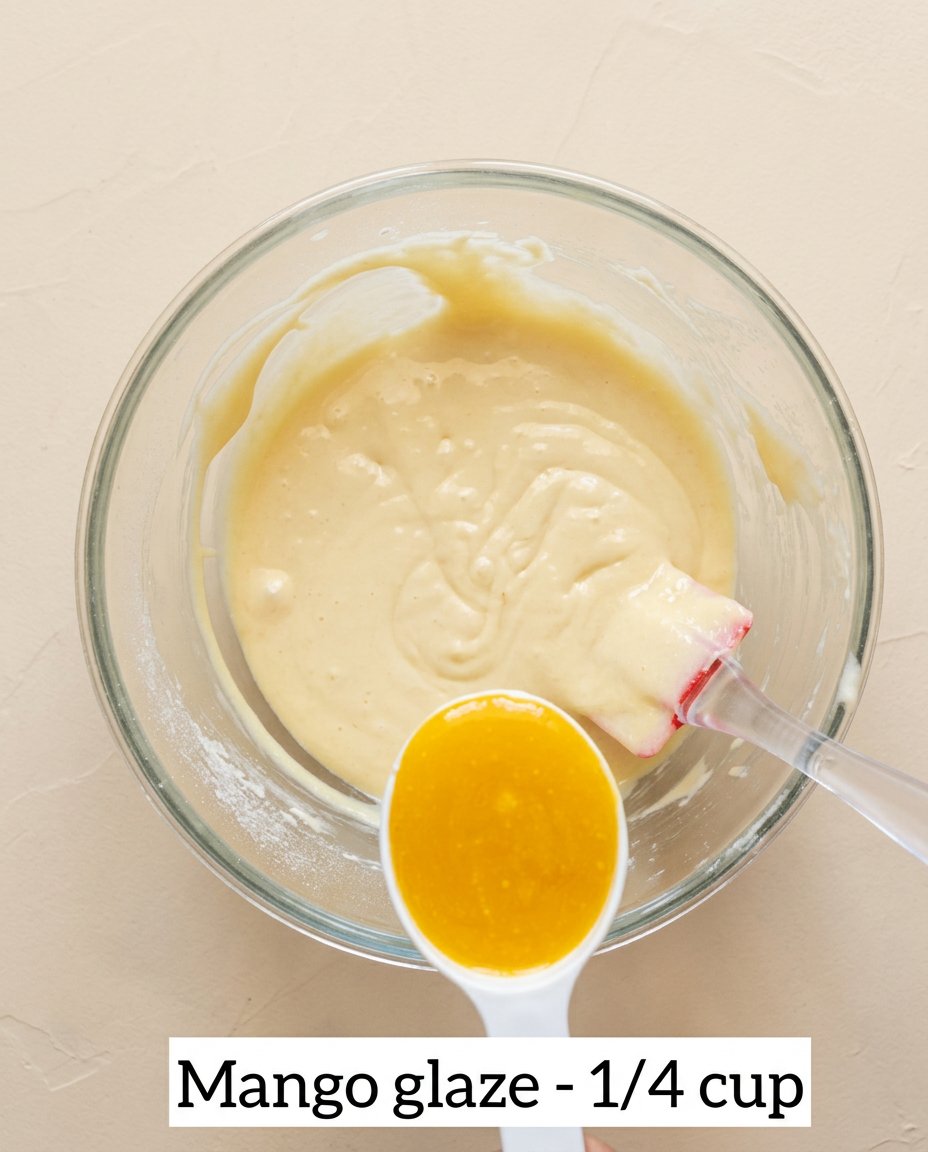
This recipe is incredibly straightforward and requires no special gear. Follow along with these step-by-step instructions to bake your way to a gorgeous tropical treat.
Step 1: Prep Your Oven and Pan
Start by setting your oven to 325 degrees Fahrenheit so it reaches the correct temperature. Rub the interior of a seven-inch round baking pan with a thin layer of softened butter. Sprinkle a small handful of flour inside, swirling it around until every corner has a light coating. Tap out any excess flour over your sink to prevent a dusty crust on your finished bake.
Step 2: Puree the Fresh Mangoes
Peel your ripe fruit carefully and slice the flesh away from the large flat seed. Place the golden pieces into your food processor and blend until the mixture is completely smooth. If the puree looks too thick or lumpy, add one or two tablespoons of water. The final texture should resemble thick pancake batter, gliding easily off a spoon.
Step 3: Cream the Butter and Sugar
Combine your room-temperature unsalted butter and granulated sugar in a large mixing bowl. Beat the mixture with your hand mixer or stand mixer until it becomes pale yellow and fluffy. This process should take about three to four minutes of steady mixing. Stop once the sugar is mostly dissolved and the butter feels light and airy.
Step 4: Add the Wet Ingredients
Set your mixer to a low speed and add your two room-temperature eggs one at a time. Blend thoroughly after each addition to make sure the fat emulsifies with the liquid. Pour in the coconut extract, full-fat coconut milk, canola oil, and a half-cup of your fresh puree. Mix on medium speed for four full minutes until the batter becomes voluminous, silky, and fragrant.
Step 5: Sift and Add Dry Ingredients
Whisk your all-purpose flour, fine salt, baking powder, and baking soda together in a separate clean bowl. Sift this mixture to remove any stubborn lumps that could ruin your delicate crumb. Add one-third of these dry ingredients to your wet batter, folding gently with a flexible rubber spatula. Stirring too hard at this point will activate the gluten and make your sponge tough.
Step 6: Complete the Batter
Pour in the remaining quarter-cup of fruit puree alongside another third of your dry flour mixture. Fold again with slow, circular strokes until the flour streaks barely disappear. Add the final portion of flour and fold until the batter is uniform. Stop mixing the very second you no longer see dry white flour in the bowl.
Step 7: Decorate Your Mango Fresh Fruit Topped Cake
Pour your thick, golden batter into the prepared seven-inch round baking pan, smoothing the top. Scatter half of your freshly diced fruit pieces evenly across the surface of the batter. These fruit pieces will sink slightly during baking, creating juicy pockets of sweetness throughout the sponge. Arrange them in a gentle circular pattern to form a beautiful design before baking.
Step 8: Bake and Test for Doneness
Slide the pan onto the center rack of your preheated oven and bake for 65 to 70 minutes. Keep an eye on the top, waiting for it to turn a deep golden brown color. Insert a wooden toothpick deep into the center of the sponge to check if it is done. It should come out completely clean or with a few moist crumbs clinging to it.
Step 9: Cool and Release
Place the hot baking pan on your kitchen counter and let it rest undisturbed for exactly five minutes. Run a thin butter knife gently around the inside edges of the pan to loosen any stuck spots. Carefully flip the pan over onto a wire cooling rack to release the warm dessert. Let it cool completely to room temperature before you attempt to slice or garnish further.
Make-It-Easier Tips
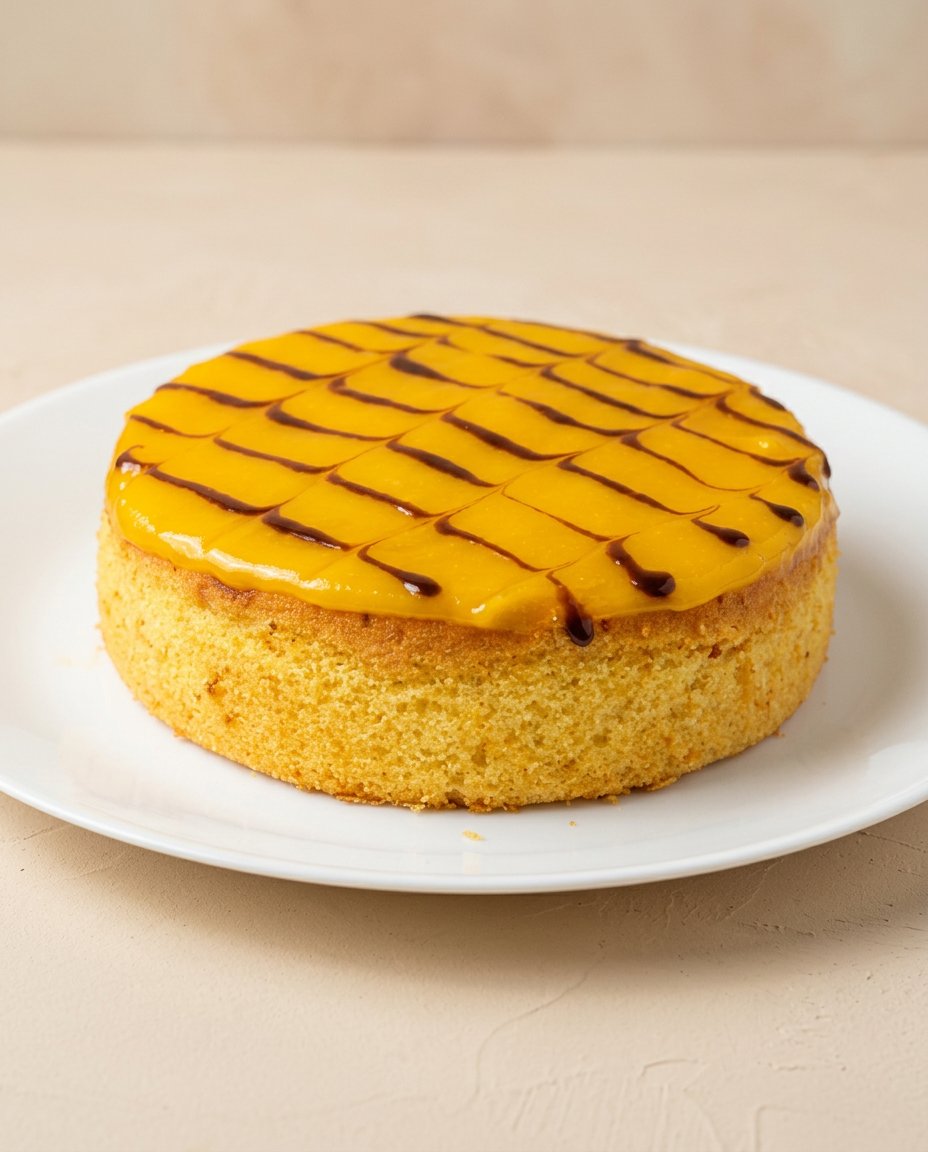
Temperature plays a massive role in how your cake rises. Always make sure your butter, eggs, and coconut milk are at true room temperature before you start mixing. Cold ingredients will cause the batter to curdle, resulting in a dense and heavy texture rather than a light, airy sponge.
If your cake turns out too dense, here is why and how to fix it: you likely over-mixed the flour or used cold eggs. To fix this next time, fold the flour strictly by hand with a spatula and let your eggs sit on the counter for an hour before baking.
Measuring your flour correctly prevents dry, crumbly bakes that crumble when sliced. Avoid scooping flour directly from the bag with a measuring cup, as this packs the flour down. Instead, spoon the flour gently into your cup and sweep the excess off with the flat back of a butter knife.
If you want to read more about professional techniques, you can learn more about mixing ratios for a moist mango pound cake to master your batter consistency. This helps you understand the balance between fats and fruit liquids. Keeping these proportions in check guarantees your cake stays moist without collapsing.
Applying a light glaze can keep your fruit looking fresh and bright on the counter. Gently brush the topping with a tiny bit of warmed apricot jam or honey before serving. This step locks in moisture and prevents the fruit from drying out or looking dull.
For more inspiration on using fresh seasonal harvests in your bakes, check out our detailed guide on classic mango sponge cake recipe story to expand your baking repertoire. You will discover new ways to highlight beautiful fruit flavors in simple kitchen projects. These quick reads are packed with practical baking wisdom.
Always let the sponge cool completely before dusting it with powdered sugar. If you dust a warm cake, the sugar will melt into a sticky, wet glaze instead of a beautiful snowy coating. Letting the dessert rest also allows the delicate crumb to set properly.
Frequently Asked Questions
What is the best frosting for a mango fruit cake?
A simple whipped cream frosting or a light cream cheese frosting works beautifully with this recipe. Avoid heavy buttercream, as it can overwhelm the delicate, fresh tropical flavors of the fruit. Standard vanilla whipped cream keeps the focus entirely on the golden fruit toppings.
How do I prevent fresh mango on top from browning and drying out?
Brush the sliced fruit gently with a thin layer of warmed apricot jam or a simple sugar syrup. This coating acts as a protective barrier against the air, keeping the fruit shiny and moist. It also adds a professional bakery-style sheen to your dessert.
How long does a fresh mango cake stay fresh?
This dessert will stay fresh for up to three days when stored in an airtight container in the refrigerator. Because of the fresh fruit on top, it is best to keep it cool to prevent spoiling. Bring slices to room temperature for fifteen minutes before serving for the best flavor.
Can I use frozen or canned mangoes instead of fresh?
Canned mango pulp works wonderfully for the cake batter itself, provided it is unsweetened and thick. However, for the fresh topping, frozen mangoes can become too mushy and release too much water as they thaw. Stick to fresh, firm fruit for the beautiful decorative top.
Do fresh mangoes make the cake layers soggy?
If you use extremely wet, overripe fruit on top, they can release excess moisture and create soggy spots. To prevent this, gently pat your diced fruit dry with a clean paper towel before arranging them on top. Sifting a tiny pinch of starch over the fruit can also help absorb extra moisture.
Can I make this cake ahead of time?
You can easily bake the sponge a day in advance and store it wrapped tightly in plastic wrap at room temperature. For the best presentation, wait to add the fresh diced fruit topping and powdered sugar until right before serving. This keeps the sponge wonderfully moist and the toppings looking fresh.
Which mango cake flavour is the most popular?
Combining mango with subtle hints of coconut or vanilla is by far the most popular flavor profile. The coconut milk in this recipe provides a delicate creaminess that balances the natural acidity of the fruit. It creates a classic tropical pairing that appeals to bakers of all skill levels.
Simple Swaps to Try
If you want to add a warm, cozy note to your dessert, try stirring in a pinch of ground cardamom. This aromatic spice pairs beautifully with the sweet fruit and tropical coconut milk. A quarter teaspoon of cardamom sifted into the flour adds a wonderful depth that makes the cake taste like an exotic tea-time treat.
For a fun weekend project, you can turn this simple bake into a multi-layered masterpiece. Check out our mango drip cake ideas story for inspiration on adding rich frostings and stunning decorative drips. You can easily slice this round loaf in half and fill it with sweet whipped cream.
Lime zest is another delicious addition that cuts through the rich sweetness of the fruit. Grate the zest of one fresh lime directly into the sugar before creaming it with the butter. The bright citrus oils will release into the sugar, giving your finished dessert a zesty, refreshing punch.
Bring It to the Table
Serving this tropical dessert is all about keeping things relaxed and enjoyable. Slice the cake into thick wedges and serve them on simple plates alongside a hot cup of black coffee or black tea. The bitterness of the drink cuts through the sweet, buttery crumb of the sponge in the most delightful way.
If you are hosting a weekend gathering, a dollop of unsweetened whipped cream or a scoop of vanilla bean ice cream makes an excellent companion. The cold cream melts slowly into the warm cake, creating a luxurious sauce. You can read more about pairing seasonal bakes in our guide on creating a beautiful cake with fruit to make your next gathering extra special.
Keep any leftover slices stored in a sealed container in your refrigerator to preserve their texture. When you want a mid-week treat, pop a slice in the microwave for ten seconds to take the chill off. The butter will soften up, making the cake taste as if it was baked that very morning.

Bake It Soon
This simple tropical cake is proof that you do not need complicated recipes to create something truly spectacular. It fits into your busy life, whether you are baking on a cozy Sunday morning or whipping up a quick dessert on a Tuesday night. The sweet aroma of baking fruit and coconut filling your home is the best reward after a long day.
If you are looking for more sweet tropical inspiration, take a look at our classic mango mousse cake story for another fun kitchen project. Each recipe we share is designed to make baking feel doable, fun, and completely stress-free. Grab your mixing bowl and give this golden cake a try tonight.
We would love to see how your dessert turns out! Share your baking creations with our community on Pinterest, follow us on Facebook, check out our quick baking videos on TikTok, or join our chat on Telegram for more easy baking ideas.