There is a quiet, steady truth in Southern baking: the heavy black iron skillet on your stove is the finest baking pan you will ever own.

This classic Cast Iron Skillet Pineapple Upside Down Cake proves that some of the best desserts need nothing more than simple pantry staples and a trusted skillet. The heavy cast iron heats evenly, melting butter and brown sugar into a deep, bubbly caramel that coats sweet pineapple rings and bright red cherries. As the batter bakes, it absorbs those rich juices, creating a tender crumb and beautifully crispy caramelized edges. You only need a wooden spoon, a single mixing bowl, and a kitchen towel to bring this classic to life.
Why This Cast Iron Skillet Pineapple Upside Down Cake Belongs in Your Kitchen
Prep: 15 min · Serves: 8 · Difficulty: Easy
- Deep caramel flavor from heavy iron skillet.
- A wonderfully soft and tender cake crumb.
- Simple pantry ingredients with no fuss preparation.
- Beautiful fruit topping that caramelizes as it bakes.
- Tastes even better tomorrow morning with coffee.
There is something deeply satisfying about a dessert that does not ask for fancy equipment. If you appreciate the rustic beauty of a peach upside down cake recipe, you will fall in love with this skillet version. This reliable cake will become a comforting Sunday tradition in your home.
Get The Full Cake Recipe
Print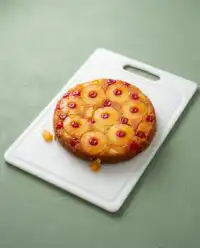
Cast Iron Skillet Pineapple Upside Down Cake
- Total Time: 1 hour 20 mins
- Yield: 8 servings
- Diet: Vegetarian
Description
Experience the timeless comfort of a classic Southern upside-down cake, baked to perfection in a heavy cast iron skillet. This moist, tender cake features a rich, caramelized pineapple and cherry topping that creates a beautiful, rustic dessert perfect for any occasion.
Ingredients
- 1/2 cup unsalted butter
- 1 cup packed brown sugar
- 1 can pineapple rings
- Maraschino cherries
- 1 1/2 cups all-purpose flour
- 1 teaspoon baking powder
- 1/2 teaspoon baking soda
- 1/4 teaspoon salt
- 1/2 cup sour cream
- 1/4 cup pineapple juice
- 1/2 cup granulated sugar
- 1 large egg
- 1 teaspoon vanilla extract
Instructions
- Preheat the oven. Set your oven to 350 degrees Fahrenheit and have a 10-inch cast iron skillet ready on your workstation.
- Combine wet ingredients. In a large mixing bowl, whisk together the softened butter, sour cream, egg, vanilla extract, and pineapple juice until the mixture is uniform.
- Add dry ingredients. Gently fold the flour, baking powder, baking soda, and salt into the wet mixture until just combined, being careful not to overmix the batter.
- Melt skillet butter. Place the skillet over low heat and melt the remaining quarter-cup of butter until it coats the entire bottom and lower sides of the pan.
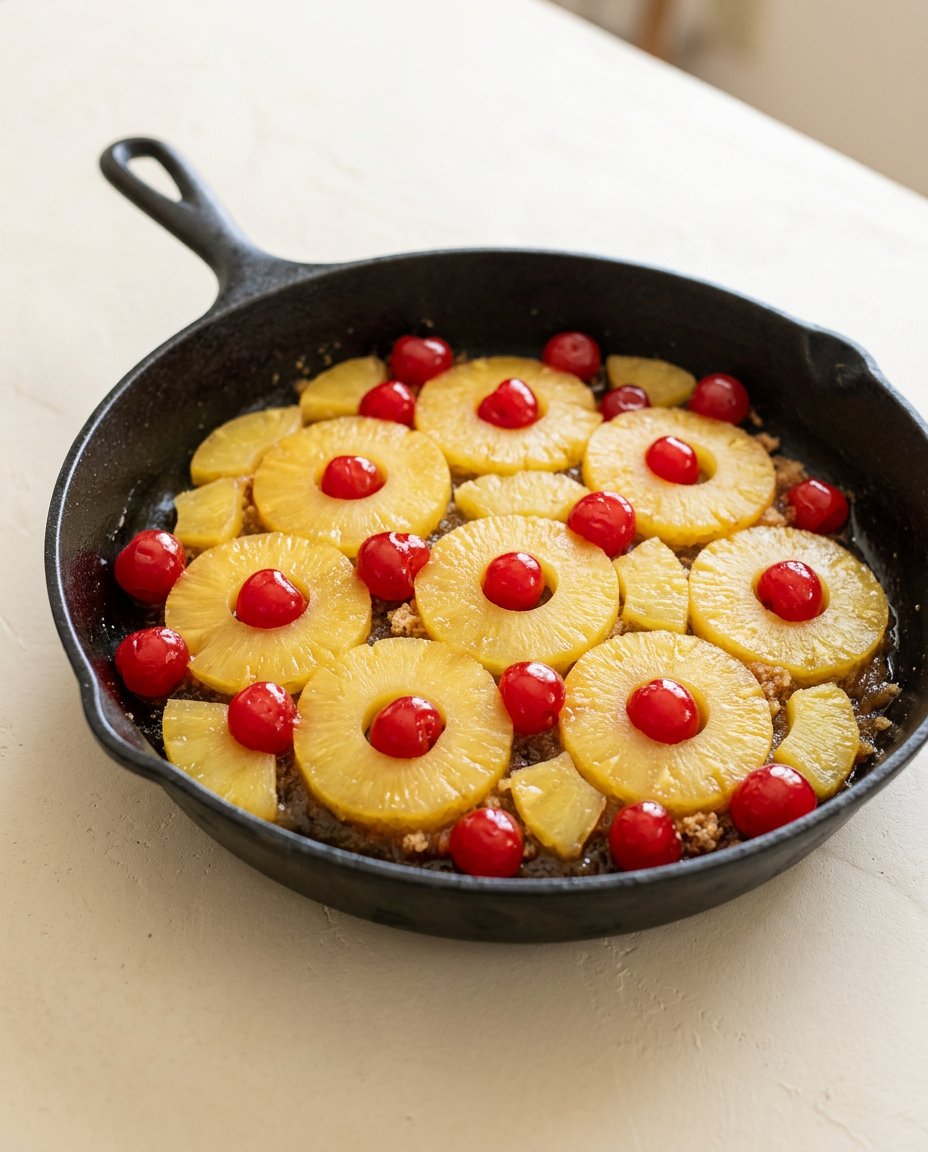
- Build fruit layer. Sprinkle the brown sugar over the melted butter, then arrange the pineapple rings and cherries in a single layer, pressing them gently into the sugar.
- Pour the batter. Spoon the cake batter over the fruit arrangement and use a spatula to spread it evenly toward the edges to seal everything in.
- Bake the cake. Transfer the skillet to the middle rack of the oven and bake for forty-five minutes until golden brown and firm to the touch.
- Cool the skillet. Remove the pan from the oven and let it rest for twenty to thirty minutes on a wire rack to allow the caramel to firm up.
- Invert and serve. Place a large plate over the skillet, invert the pan in one confident motion, and lift the skillet to reveal the caramelized cake.
Notes
- Ensure all dairy and egg ingredients are at room temperature to prevent the butter from seizing during mixing.
- Use the spoon-and-level method when measuring flour to avoid packing it down and creating a dense, dry cake.
- Pat the pineapple rings dry with paper towels before placing them in the skillet to prevent a runny caramel glaze.
- If the cake is difficult to release after cooling, return the skillet to the stove over low heat for sixty seconds to gently loosen the caramel.
- Prep Time: 15 mins
- Cook Time: 45 mins
- Category: Dessert
- Method: Baking
- Cuisine: Southern
Pantry Basics
Making this classic cake does not require a trip to a specialty grocery store. You likely have most of these humble pantry ingredients sitting in your cabinets right now. When combined in a heavy pan, they work together to create a dessert that is far greater than the sum of its parts.
- Unsalted Butter: This provides the rich, buttery foundation for both the cake batter and the sweet caramelized topping. Using unsalted butter allows you to control the saltiness of your cake, keeping the caramel sweet and balanced.
- Brown Sugar: Packed brown sugar is essential for creating the deep, molasses-rich caramel coating at the bottom of the skillet. It melts beautifully into the butter, forming a thick glaze that coats the fruit.
- Sour Cream: Adding this secret ingredient adds moisture and a slight tang, keeping the cake crumb incredibly tender. If you do not have sour cream on hand, plain full-fat yogurt makes an excellent substitute.
- Pineapple Juice: Spreading a splash of canned pineapple juice directly into the batter adds a bright, tropical acidity. It reinforces the fruit flavor throughout every single bite of the cake.
- Canned Pineapple Rings: These classic rings lay flat in the bottom of the skillet, absorbing the brown sugar glaze as the cake bakes. They become beautifully tender and caramelized on the edges.
- Maraschino Cherries: Nestled in the center of each pineapple ring, these cherries add a traditional pop of color and sweetness. They complete the nostalgic look of this classic Southern dessert.
| Ingredient | Why It Matters |
|---|---|
| Unsalted Butter | Creates a rich, buttery batter and forms the base of the caramel topping. |
| Brown Sugar | Melts into a thick, sweet glaze with a deep molasses flavor. |
| Sour Cream | Adds essential fat and moisture to guarantee a soft, tender crumb. |
| Pineapple Juice | Infuses the vanilla cake batter with natural, bright tropical flavor. |
| Canned Pineapple Rings | Caramelize beautifully against the hot cast iron during the bake. |
| Maraschino Cherries | Provide a classic sweet accent and a beautiful touch of vintage color. |
From Bowl to Pan
Step 1: Prep Your Oven and Pan
Before you begin mixing your ingredients, preheat your oven to 350 degrees Fahrenheit. Gather your dependable ten-inch cast iron skillet and make sure it is clean and dry. Having your pan ready on the counter makes the process smooth and unhurried as you transition from stove to oven. This simple preparation sets a calm pace for your Sunday baking.
Step 2: Whisk the Wet Batter Ingredients
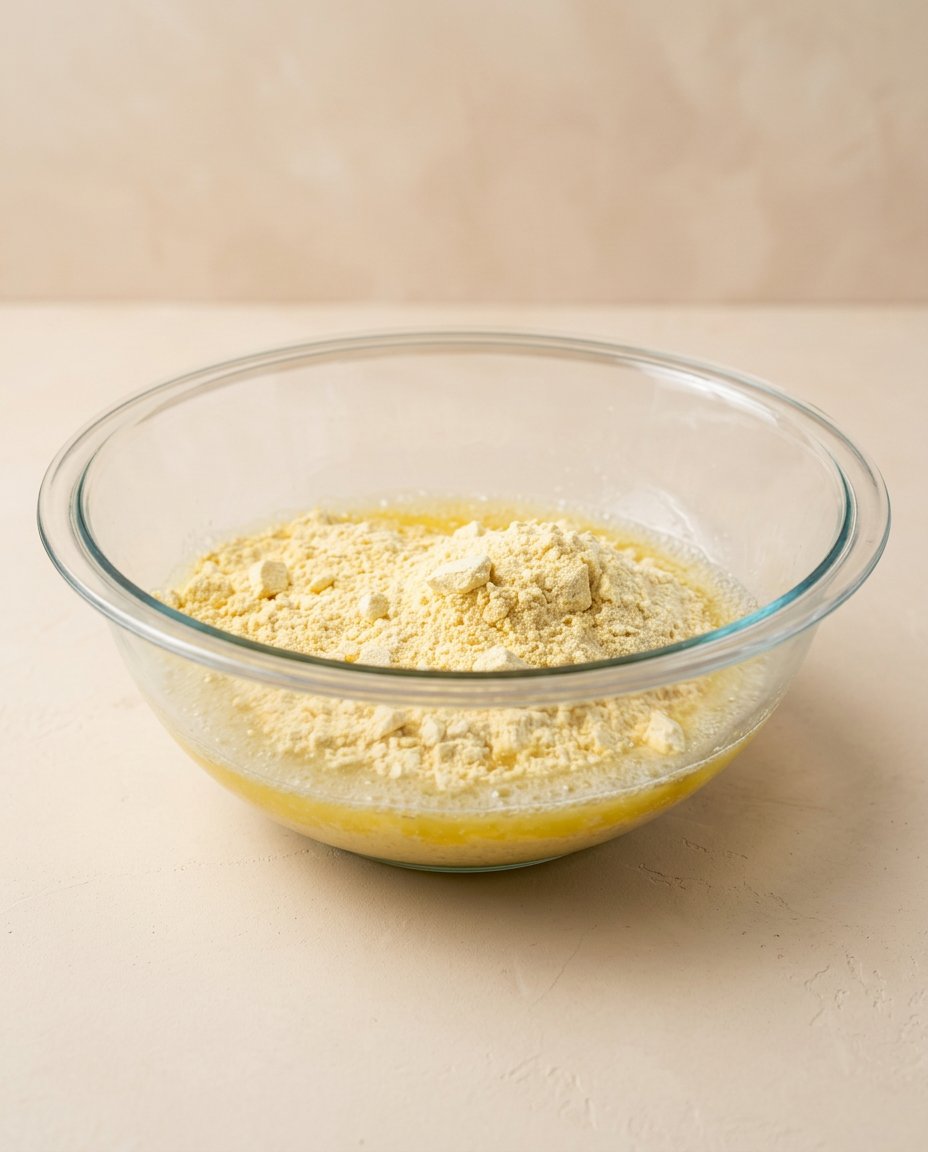
In a large mixing bowl, bring together the softened butter, brown sugar, sour cream, milk, egg, vanilla extract, and pineapple juice. Take your wooden spoon or hand whisk and combine the ingredients until the mixture is uniform and smooth. You will smell the sweet vanilla and bright pineapple juice immediately as they blend together. Work slowly to make sure the ingredients incorporate fully without incorporating too much air.
Step 3: Fold in the Dry Ingredients
Measure your flour, baking powder, baking soda, and salt directly into the bowl with the wet ingredients. Gently fold the dry ingredients into the wet mixture using a spatula or wooden spoon. Stop mixing as soon as you no longer see pockets of dry flour, keeping the batter thick and soft. Overmixing at this stage can make the cake tough rather than tender.
Step 4: Melt the Butter for Your Cast Iron Skillet Pineapple Upside Down Cake
Set your cast iron skillet over low heat on the stovetop and add the remaining quarter-cup of butter. Let the butter melt slowly until it coats the entire bottom of the pan and crawls slightly up the sides. Switch off the heat immediately once the butter is fully melted so it does not scorch. The warm butter should coat the skillet evenly to prevent any sticking later.
Step 5: Build the Sweet Caramelized Fruit Layer
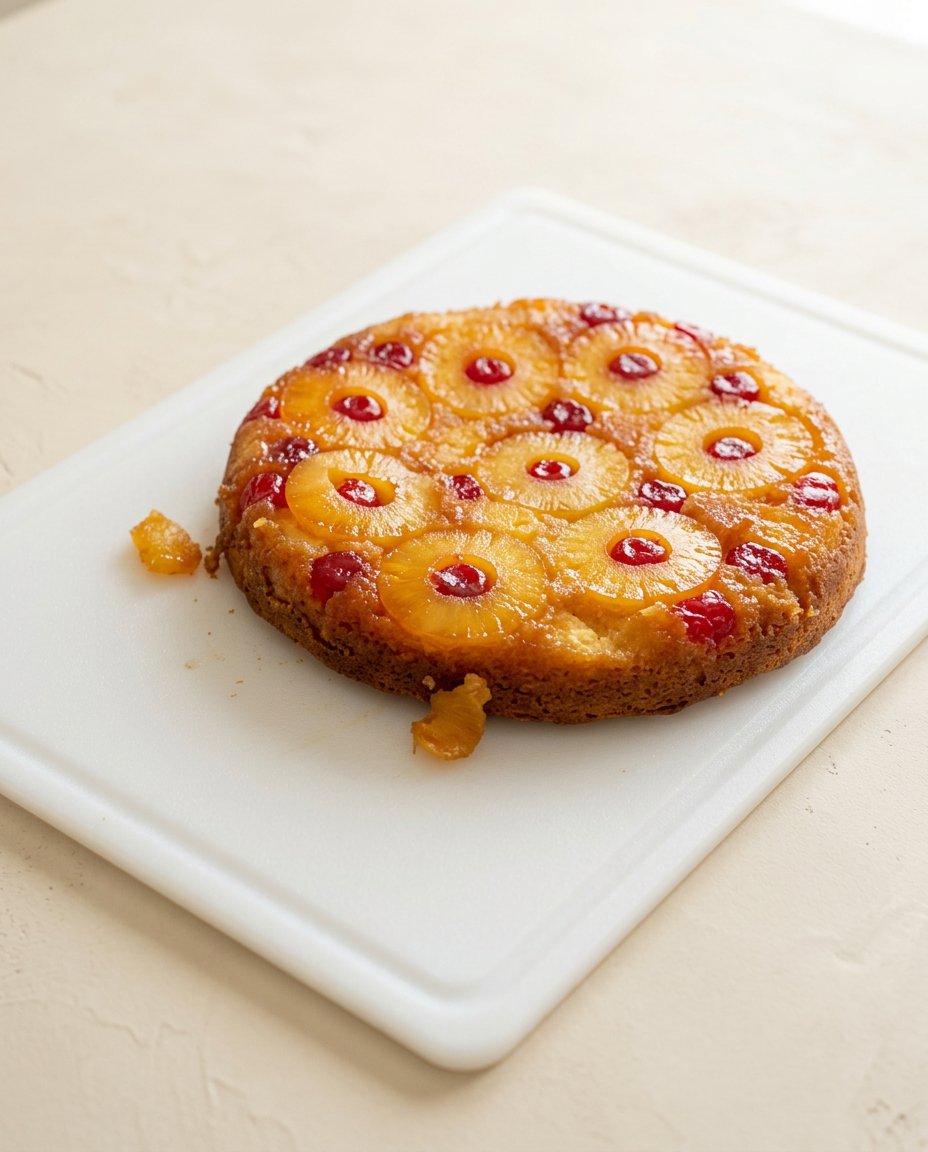
Sprinkle the half-cup of brown sugar evenly over the warm melted butter in the bottom of the skillet. Arrange the dried pineapple rings in a single layer on top of the sugar, then place a maraschino cherry in the center of each ring. The pan will look like a beautiful stained-glass window before the cake batter even touches it. Press the fruit gently into the sugar to make sure it makes solid contact with the pan.
Step 6: Pour and Spread the Cake Batter
Spoon the thick cake batter carefully over the arranged pineapple rings and cherries so you do not disturb their placement. Use your spatula to spread the batter gently toward the edges of the skillet until it forms an even layer. The batter should cover the fruit completely, sealing the juices underneath. This thick layer of batter will rise beautifully around the caramelized fruit.
Step 7: Bake in Your Oven
Place the heavy skillet on the middle rack of your preheated oven and bake for forty-five minutes. As the cake bakes, your kitchen will fill with the comforting scent of warm vanilla, butter, and caramelizing brown sugar. Watch for the top of the cake to turn a deep golden brown and feel firm to a gentle touch. A toothpick inserted into the center should come out clean with only a few moist crumbs.
Step 8: Cool the Skillet Cake
Remove the skillet from the oven using sturdy oven mitts and set it on a wire rack or a heatproof surface. Let the cake rest undisturbed in the skillet for twenty to thirty minutes. This brief cooling period allows the caramelized topping to settle and firm up slightly before you attempt the flip. Waiting patiently prevents the fruit from sliding off the top of your cake.
Step 9: Set a Large Serving Plate
Place a large serving plate face down over the top of the warm cast iron skillet. Firmly gripping both the plate and the skillet handle with oven mitts, carefully invert the pan in one quick, confident motion. Lift the skillet slowly to reveal the glistening, caramelized fruit topping resting beautifully on top of the cake. Let any remaining caramel drip naturally from the pan onto the warm cake.
Plain-Kitchen Notes
To get the best results from your baking, always dry your fruit thoroughly before placing it in the pan. Press the pineapple rings and cherries between layers of paper towels to remove excess moisture. If you skip this step, the excess juice will make your caramel glaze runny instead of thick and sticky.
Always use room temperature ingredients like milk and eggs when mixing your cake batter. Cold liquids can cause the melted butter in the batter to seize, leading to a lumpy mixture and an uneven bake. Allowing these basics to sit on the counter for a short while makes a noticeable difference in the texture.
If your cake is sticking to the skillet when you attempt to flip it, the sugar may have cooled down too much. You can easily fix this by setting the skillet back over low stovetop heat for sixty seconds to soften the caramel. To learn more about cast iron baking methods, you can read this detailed tips for baking in cast iron.
Lightly sprinkle the sugar over the melted butter and immediately lay down your pineapple slices and cherries. The real caramelization happens inside the oven as the cake bakes, preventing the glaze from burning. Do not completely melt or cook the brown sugar on the stovetop before adding the fruit.
When measuring your flour, use the spoon-and-level method rather than scooping directly from the bag with your measuring cup. Scooping packs the flour down, which can result in a dry, heavy cake rather than a tender crumb. For another sweet twist on upside-down baking, take a look at our best pineapple cake guide.
Frequently Asked Questions
How do you get a pineapple upside-down cake out of a cast iron skillet?
The best way to release the cake is to let it cool for about twenty minutes first. Place a large flat plate over the skillet, grip both firmly with oven mitts, and flip them over together in one steady motion. Gently tap the bottom of the pan before lifting it away.
Do you have to flip a skillet pineapple upside-down cake immediately?
No, you should not flip it immediately because the hot caramel glaze needs a little time to set. However, do not wait longer than thirty minutes, or the sugar will cool completely and stick to the pan. Aim for that perfect window of twenty to twenty-five minutes.
How do you keep pineapples from sticking to the cast iron?
A well-seasoned skillet is your best friend when it comes to preventing sticking. Make sure you coat the bottom and sides of the pan thoroughly with the melted butter before adding the sugar. Drying your fruit beforehand also prevents excess juices from washing away that protective butter layer.
Can I use a boxed cake mix for a skillet pineapple upside-down cake?
You can certainly use a box of yellow cake mix if you are short on time. Simply prepare the topping in the skillet as directed, then pour the prepared box batter over the fruit and bake. The homemade batter is easy, but a box mix works in a pinch.
What size skillet is best for a pineapple upside-down cake?
A standard ten-inch cast iron skillet is the ideal size for this specific recipe. It holds the fruit pattern beautifully and makes sure the cake bakes to the perfect thickness. If you use a larger pan, your cake will be thinner and may bake much faster.
How should I store leftover pineapple upside-down cake?
Keep any leftovers in an airtight container in the refrigerator for up to three days. You can enjoy it cold, or let it come to room temperature on the counter before serving. This cake actually tastes even better the next day as the fruit juices settle into the crumb.
Can I use fresh pineapple instead of canned pineapple?
Yes, fresh pineapple works beautifully if it is ripe and sliced thin. Just be sure to remove the tough core and pat the slices dry with paper towels. Canned pineapple is more convenient and guarantees a consistent sweetness year-round.
Family Variations
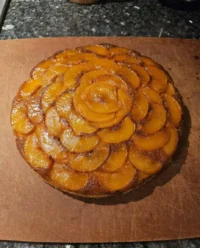
If you want to vary the fruit, you can easily swap the pineapple for sweet summer peaches. This variation pairs beautifully with the rich brown sugar glaze and creates a lovely rustic dessert. You can find inspiration for this swap by reading our classic peach upside down cake story.
Another wonderful twist is to sprinkle chopped pecans or walnuts into the melted butter before laying down the fruit. The nuts roast in the butter and sugar as the cake bakes, adding a delightful crunch to every bite. This option is ideal for those who love a bit of texture in their comforting desserts.
For a deeper spice profile, add a half-teaspoon of ground cinnamon or a pinch of nutmeg to the dry ingredients. The warm spices complement the caramelized brown sugar and tropical pineapple, creating a cozy autumn feel. It is a simple way to customize the recipe using ingredients already in your spice drawer.
At the Kitchen Table
This beautiful skillet cake is a complete dessert all on its own, but a few simple additions can make it feel even more special. Serve warm slices with a generous dollop of unsweetened whipped cream or a scoop of classic vanilla bean ice cream. The cold cream melting into the warm, caramelized cake creates a wonderful contrast of temperatures.
If you are serving this cake during a cozy weekend gathering, it pairs wonderfully with a hot pot of black coffee or chicory tea. The bitter notes of the coffee cut through the sweet richness of the caramelized brown sugar and pineapple. For another wonderful presentation idea, you can view the brown sugar peach upside down cake story to see how we showcase similar rustic bakes.
For a true casual Southern experience, simply place the skillet directly onto a wooden trivet in the middle of your kitchen table. Let your family and friends gather around to watch you perform the dramatic flip onto a beautiful old platter. There is no need for fancy plates or formal settings when sharing a comforting cake made from the heart.
Keep This One Close
There is a deep sense of comfort in baking a cake that has stood the test of time. This skillet recipe relies on simple, honest ingredients to create a dessert that brings people together around the table. It is the kind of baking that does not demand perfection, only a little patience and a trusted iron pan.
We hope you find a quiet Sunday afternoon to turn on the radio, pull out your skillet, and bake this sweet treat. If you enjoy sharing rustic desserts, you might also like our no bake caramel peach upside down cake story for more inspiration. Once your cake is cooling under its dome, remember to share your baking journey with us.
Please connect with our community and share your skillet cakes on Pinterest, Facebook, and TikTok. You can also join our baking conversations on Telegram to stay in touch with fellow home bakers. Keep your skillet seasoned, your kitchen warm, and your baking simple.