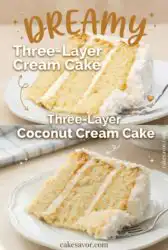
We all appreciate a good coconut cake, but shifting it from good to wow requires a single back-pocket addition that makes everyone pause.

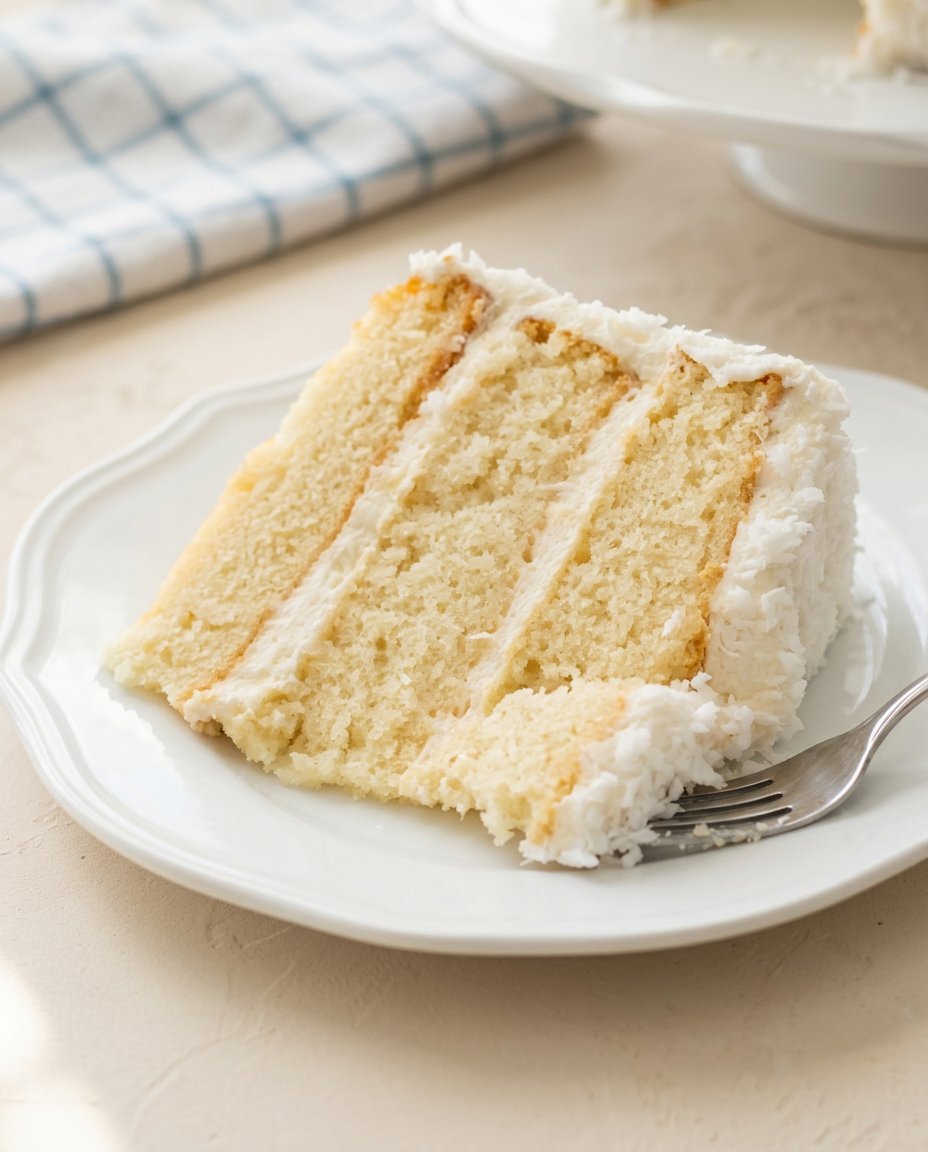
Bringing a magnificent Three-Layer Coconut Cream Cake to the table is a guaranteed way to brighten any weekend gathering. Toasty shreds of coconut and sweet cream are wonderful on their own, but they truly sing when paired with a tiny splash of almond extract. This subtle addition works behind the scenes, rounding out the sweet tropical notes with a warm, cherry-like floral depth. You do not need professional pastry training to achieve this bakery-style depth, only a willingness to play with simple flavors.
Why This Three-Layer Coconut Cream Cake Gets the Wow
Prep: 35 min · Serves: 12 · Difficulty: Medium
If you appreciate a grand classic, this recipe takes inspiration from our traditional coconut cake to deliver deep, satisfying comfort. Mixing soft cake flour with real, rich coconut milk results in layers that are beautifully tender and light.
- Nutty toasty notes from the shredded topping.
- Super soft crumbs from the cake flour.
- Velvety layers filled with rich cream cheese.
- Warm depth from that hidden almond touch.
This grand dessert will easily become your most requested bake of the year.
Get The Full Cake Recipe
Print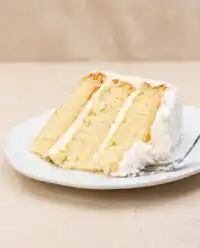
Three-Layer Coconut Cream Cake
- Total Time: 2 hours
- Yield: 12 servings
Description
This decadent three-layer coconut cream cake combines a tender, moist sponge with a silky cream cheese frosting for a bakery-quality dessert. A subtle hint of almond extract elevates the tropical coconut profile, making it a perfect centerpiece for any special occasion.
Ingredients
- 2 1/2 cups cake flour
- 1 1/2 tsp baking powder
- 1/2 tsp baking soda
- 1/2 tsp salt
- 1 cup unsalted butter, softened
- 1 3/4 cups granulated sugar
- 4 large egg whites, room temperature
- 1 cup sour cream
- 1 tsp vanilla extract
- 1/2 tsp almond extract
- 1 cup unsweetened canned coconut milk
- 2 cups sweetened shredded coconut
- 8 oz brick cream cheese, softened
- 4 cups confectioners’ sugar
Instructions
- Prepare pans and oven. Preheat oven to 350°F (177°C) and grease three eight-inch round cake pans, lining them with parchment paper.
- Whisk dry ingredients. In a medium bowl, combine the cake flour, baking powder, baking soda, and salt until uniform.
- Cream butter and sugar. Using a stand mixer, beat the softened butter and granulated sugar on medium-high speed until pale and fluffy.
- Mix wet ingredients. Beat in egg whites one by one, then mix in the sour cream, vanilla extract, and almond extract until combined.
- Combine batter components. Add dry ingredients and coconut milk to the mixer on low speed in alternating batches, then fold in the shredded coconut.
- Bake cake layers. Divide batter evenly into pans and bake for 21 to 24 minutes, then cool completely on wire racks.
- Whip the frosting. Beat butter and cream cheese until smooth, then gradually incorporate confectioners’ sugar, coconut milk, extracts, and salt until light and glossy.
- Assemble and decorate. Trim the cake domes, stack layers with frosting in between, and coat the entire exterior with remaining buttercream and shredded coconut.
Notes
- Use brick-style cream cheese rather than tub-style to ensure your frosting stays stable and firm.
- Chill the cake layers in the freezer for 15 minutes before frosting to prevent crumbs from mixing into your icing.
- Toasting your shredded coconut in the oven for a few minutes adds a sophisticated, nutty crunch to the exterior.
- Always ensure your dairy ingredients are at room temperature to prevent lumps in the batter and frosting.
- Prep Time: 35 mins
- Cook Time: 24 mins
- Category: Dessert
- Method: Baking
- Cuisine: American
The Flavor Lineup
Sourcing the right fats and starches is key to building an unforgettable sponge. When you combine high-fat pantry staples with delicate flour, you create a crumb that melts easily on the tongue. Here are the stars of our baking sheet.
- Cake Flour: This low-protein starch is finely milled, which yields a soft, delicate crumb that never feels heavy or bready.
- Egg Whites: By separating the yolks, we keep our layers featherlight and clean-tasting, allowing the tropical flavors to shine bright.
- Canned Coconut Milk: Make sure to select unsweetened canned milk, which provides a rich, creamy consistency that box drinks cannot match.
- Almond Extract: This is our quiet star, offering a subtle floral undertone that rounds out the sweet coconut and makes guests wonder what the secret is.
- Sour Cream: This thick dairy staple introduces acidity to tenderize the gluten, keeping each layer remarkably soft for days.
- Sweetened Shredded Coconut: Toasting these sweet shreds provides a crisp contrast to the silky buttercream spread between each sponge layer.
- Cream Cheese: The tang of brick cream cheese cuts through the sugar, balancing the rich buttercream frosting with a savory finish.
| Ingredient | Why It Matters |
|---|---|
| Unsweetened Coconut Milk | Adds silky tropical fat for a tender crumb |
| Cake Flour | Creates a soft, light texture instead of density |
| Egg Whites | Builds a delicate structure without heavy yolks |
| Cream Cheese | Cuts through the frosting sweetness with tang |
| Almond Extract | Delivers a mysterious bakery-style flavor pop |
Building the Flavor
Step 1: Prepare the Pans and Flour
Preheat your oven to 350°F (177°C) before beginning any mixing. Lightly grease three eight-inch round cake pans, line each bottom with parchment paper, and grease the paper again to prevent sticking. In a medium bowl, whisk together the cake flour, baking powder, baking soda, and salt until completely uniform.
Step 2: Beat the Butter and Sugar Base
Place your softened butter and granulated sugar into the bowl of a stand mixer fitted with the paddle attachment. Cream these together on medium-high speed for about two minutes until the mixture turns pale, fluffy, and light as air. Use a rubber spatula to scrape down the bottom of the bowl so no dense butter pockets remain unmixed.
Step 3: Mix Your Three-Layer Coconut Cream Cake Batter
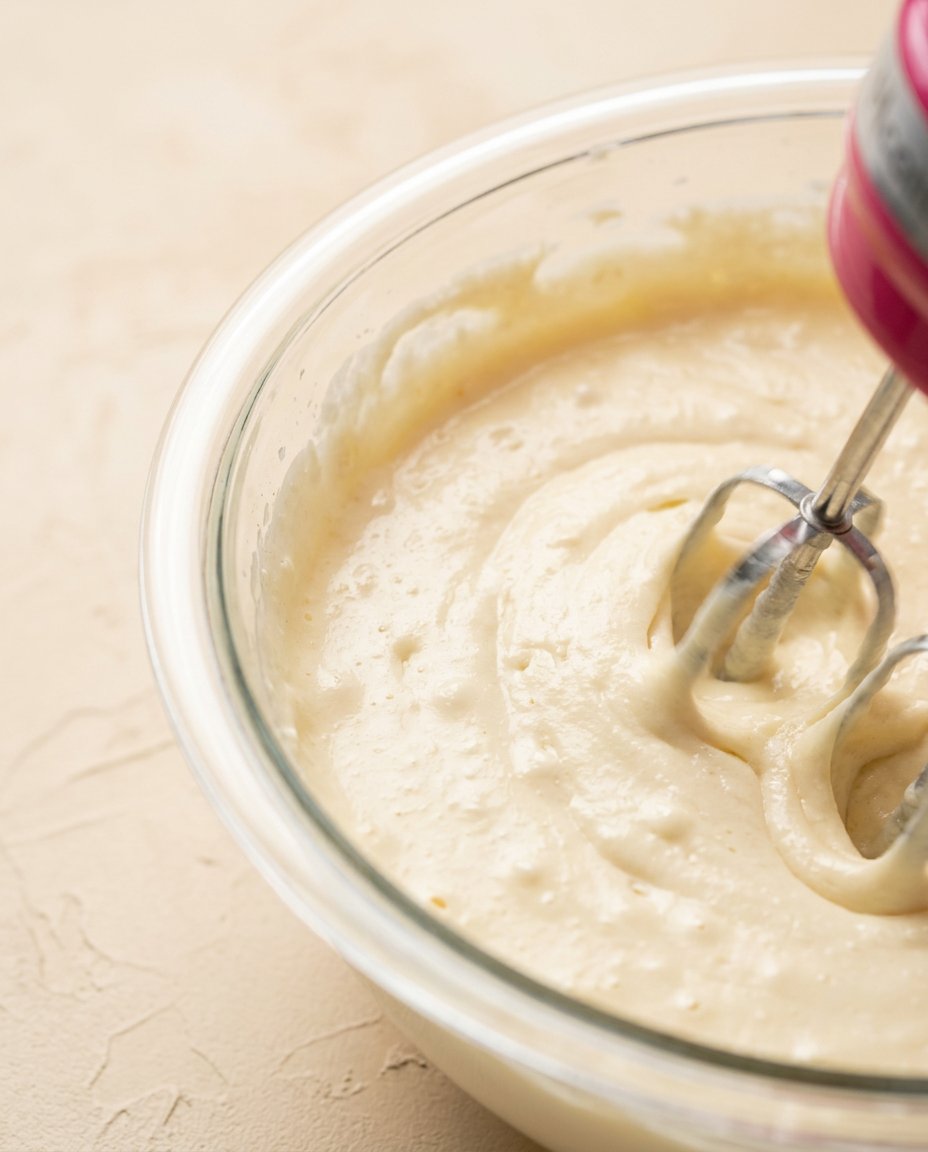
Add the room-temperature egg whites one by one, beating thoroughly after each addition until the batter is smooth. Next, blend in the sour cream, vanilla extract, and almond extract, watching as the mixture takes on a slightly curdled appearance from the moisture. With your mixer on low speed, add the dry ingredients alternately with the canned coconut milk, then gently stir in the shredded coconut by hand.
Step 4: Bake Your Layers to Golden Perfection
Divide the thick batter evenly among your three prepared pans, using a kitchen scale to verify that they are balanced. Bake for twenty-one to twenty-four minutes, checking the center with a toothpick to see if it comes out clean and free of wet crumbs. Let the hot pans rest on wire racks for one hour, then carefully invert them to release the sponges to cool completely.
Step 5: Whip the Tangy Buttercream Frosting
Beat the softened butter and brick cream cheese on medium speed for two minutes until there are no lumps and the texture is velvety. Gradually add the confectioners’ sugar, coconut milk, vanilla extract, almond extract, and a pinch of salt on low speed before whipping on high for three minutes. You will watch the frosting puff up into a glossy, cloud-like spread that holds its shape on a spoon.
Step 6: Assemble and Coat with Shreds
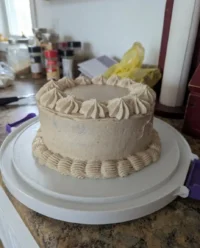
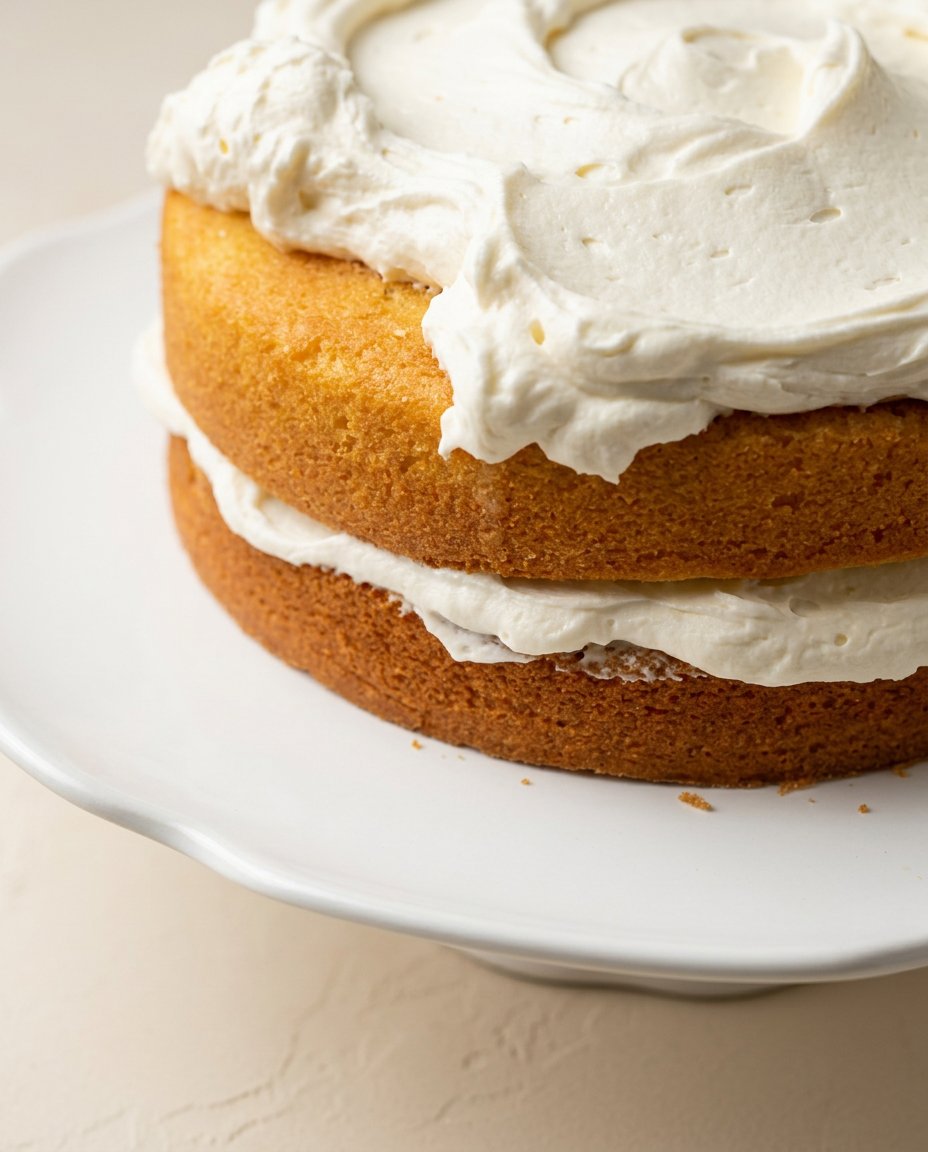
Trim the dome off each cooled layer with a long serrated knife so they sit completely flat. Place your first sponge on a cake stand, spread a generous cup of frosting over the top, and repeat with the remaining layers. Smooth the remaining buttercream over the top and sides, then press the sweet shredded coconut gently into the frosting until fully coated.
How to Layer the Flavor
Always check that your cream cheese and butter are at identical room temperatures before you begin whipping. If they are cold, they will resist combining, leaving stubborn lumps of fat throughout your silky buttercream. For those who want to practice their baking fundamentals first, our detailed vanilla cake recipe offers excellent guidance on ingredient temperatures.
If your cream cheese frosting becomes thin and runny, here is why and how to fix it. This issue typically happens if you use spreadable tub cream cheese instead of a firm brick, or if the kitchen is too warm. Place the frosting bowl into the refrigerator for twenty minutes to firm up the fats, then whip it briefly again to restore its structure.
Toasting your shredded coconut is a wonderful way to add a warm, deep flavor pop to the cake exterior. Spread the shreds on a baking sheet and bake at 325°F for five to eight minutes, stirring frequently so they turn a beautiful light golden brown. You can study these classic coconut cake baking techniques to learn more about achieving the ideal toast.
Weighing your baking pans on a digital scale ensures that each layer is the exact same thickness. This simple step helps the cake bake evenly in the oven, preventing one layer from drying out while the others finish. It also makes stacking the layers far easier since they will naturally stay balanced.
Give your cake layers a brief chill in the freezer for fifteen minutes before you begin assembling. Cold cake is much firmer and sheds fewer crumbs, which makes spreading the initial layer of buttercream a breeze. It prevents the soft crumb from tearing as your icing spatula slides across the surface.
Frequently Asked Questions
Can I use all-purpose flour instead of cake flour?
You can make a substitute by removing two tablespoons of all-purpose flour from each cup and replacing them with cornstarch. However, real cake flour is highly recommended for the softest, most delicate crumb. All-purpose flour contains more protein, which can make your layers feel slightly bready or dense.
What is the difference between cream of coconut and coconut milk?
Cream of coconut is a very sweet, syrupy ingredient used primarily for cocktails and sweet desserts. Canned coconut milk is unsweetened and contains the natural fats of the coconut flesh blended with water. For this recipe, you must use unsweetened canned coconut milk to control the sugar levels.
Can I use vegetable oil instead of butter?
Butter provides a rich, classic flavor and helps build a sturdy structure when creamed with sugar. While vegetable oil would make the cake moist, it lacks the dairy notes and structural support needed for high layers. Creaming butter and sugar is essential for achieving that light, fluffy rise.
What is the best frosting for coconut cake?
A tangy cream cheese buttercream is the ideal choice because its natural acidity cuts through the sweet coconut. If you prefer a lighter finish, a fluffy seven-minute boiled frosting or a simple vanilla buttercream works beautifully too. The cream cheese option remains our favorite for its luxurious texture and balance.
How do I make the coconut flavor stronger?
Using a high-quality coconut extract in both the cake batter and the frosting is the easiest way to boost the flavor. You can also toast the shredded coconut used on the outside, which releases natural oils and intensifies the aroma. Avoid adding extra coconut milk, as this can offset the liquid ratios in the batter.
Should I use sweetened or unsweetened coconut for the outside?
Sweetened shredded coconut is best because it retains more moisture, which keeps the exterior of your cake soft and pleasant to chew. Unsweetened shreds can sometimes feel dry or woody when stored in the refrigerator. If you prefer less sugar, pulse the sweetened shreds in a food processor to make them finer.
How do I get perfectly flat layers?
Using wet fabric cake strips wrapped around the outside of your pans before baking prevents the edges from cooking too quickly. This ensures that the batter rises evenly across the entire surface instead of forming a dome in the center. If you still get a dome, simply slice it off with a serrated knife before frosting.
How far in advance can I make a coconut cream cake?
You can bake and cool the cake layers up to two days in advance, wrapping them tightly in plastic wrap at room temperature. The buttercream can also be whipped ahead of time and stored in the refrigerator for three days. Once assembled, the cake stays beautifully moist in the fridge for up to five days.
Swap Your Spice
For a rich cocoa spin, you can layer a dark chocolate ganache between these tropical sponges. The bitter notes of dark chocolate contrast beautifully with the sweet coconut, offering a decadent alternative to vanilla. If you want to lean fully into deep cocoa layers, try our favorite chocolate layer cake for inspiration.
Introduce a citrus twist by folding fresh lime zest into your cream cheese frosting before assembly. The bright, zesty lime oil cuts through the rich butter and coconut milk, creating a refreshing key-lime profile. This lively addition is ideal for warm summer gatherings where you want a lighter, sunnier finish on the palate.
Try browning your butter before mixing it into the cake batter to bring a nutty, toasty warmth to the sponge. Melt the butter in a saucepan over medium heat, swirling until the milk solids turn a deep amber color. This extra step coaxes out a rich caramel note that pairs beautifully with the sweet shredded coconut.
Bringing the Wow to the Table
This grand dessert deserves a setting that allows its beautiful, snow-white layers to stand out. Place the finished cake on a dark glass stand or a rustic wooden platter to create a stunning visual contrast. For more visual inspiration on presenting grand tiered bakes, review our three layer earl grey cake story to see how light colors pop against textured backdrops.
Pair each thick slice with a warm, spiced beverage that complements the sweet, tropical profile. A cup of freshly brewed black tea or a warm cardamom latte balances the rich cream cheese frosting beautifully. The subtle spices in the tea draw out the hidden warmth of our secret almond extract addition.
Serve this cake slightly chilled but not freezing cold to experience the best possible texture. Let the cake sit at room temperature for fifteen minutes before slicing to allow the buttercream to soften slightly. This brief rest ensures that each bite melts effortlessly on the tongue, revealing the soft, tender crumb.
Your Turn to Riff
Now that you have the secrets to this grand tiered dessert, it is time to heat up your oven and play. Baking should always feel like an adventure where a single smart choice can change the entire experience. If you enjoy experimenting with grand layer bakes, look through our three layer italian cream cake story for more inspiration on rich, textured frostings.
We would love to see how your beautiful creation turns out on your kitchen counter. Share your baking triumphs with our community and let us know if you tried any of your own flavor swaps. Connect with us on Pinterest and join the conversation on Facebook to find more sweet inspiration. You can also catch quick tutorials on TikTok or receive direct updates through Telegram as you continue your baking journey.