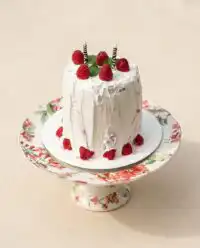
Every Sunday afternoon, my grandmother’s kitchen filled with the sweet scent of a golden loaf cooling on a wire rack under a clean kitchen towel while the radio played softly in the background.

That old kitchen was where I first learned that some of the greatest treasures in life are the ones that take their time to bake. This classic Cream Cheese Pound Cake is a testament to that slow, patient way of baking that relies on simple ingredients and a worn tube pan that has seen decades of family gatherings. It has a rich, tight crumb and a crisp, buttery edge that makes it stand out from any ordinary yellow cake. Best of all, this is the kind of cake that keeps beautifully, tasting even better the next morning with a hot cup of black coffee.
Why This One’s Stayed in the Family
Prep: 20 min · Serves: 14 · Difficulty: Easy
- Uses basic pantry staples you already own.
- Bakes up with a beautiful golden crust.
- Stays wonderfully moist for several days.
- Requires only a single mixing bowl.
- Delivers rich, comforting heirloom flavor.
This reliable cake will become a staple on your kitchen counter for years to come.
There is a quiet comfort in watching a cake rise in a hot oven, especially when it is a recipe passed down through generations. This particular recipe has traveled across state lines, survived countless kitchen moves, and graced dozens of holiday tables. It relies on the honest magic of creamed butter and sugar to create a texture so velvety it melts on your tongue. If you have ever enjoyed a classic vanilla pound cake story, this cream cheese version will feel like a warm, familiar hug.
Many folks ask why we bother with the extra step of adding cream cheese to a traditional recipe. The answer lies in the crumb, which becomes tighter, denser, and far more forgiving than a standard sponge. It is a forgiving bake that does not demand professional pastry skills, making it the ideal project for a quiet afternoon. You do not need to worry about delicate folding or precise temperatures; you only need a wooden spoon, a sturdy pan, and a little bit of patience.
Get The Full Cake Recipe
Print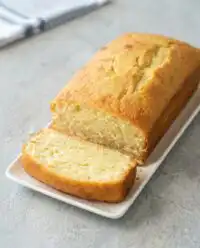
Cream Cheese Pound Cake
- Total Time: 1 hr 40 mins
- Yield: 14 servings
- Diet: Vegetarian
Description
A classic Southern cream cheese pound cake with a dense, velvety crumb and a beautiful crisp, golden crust. Simple, honest comfort from the heart that tastes even better the next day.
Ingredients
- 1 ½ cups butter, softened
- 1 (8 ounce) package cream cheese, softened
- 3 cups white granulated sugar
- 6 large eggs, room temperature
- 3 cups all-purpose flour
- 1 teaspoon vanilla extract
Instructions
- Prep: Preheat oven to 325°F (165°C). Grease and flour a 10-inch tube pan carefully.
- Cream: Beat butter and cream cheese together in a large bowl until smooth and fluffy.
- Sugar: Gradually add sugar, beating on medium speed until light and airy.
- Eggs: Add eggs two at a time, beating thoroughly after each addition.
- Flour: Add all-purpose flour and mix on low speed just until combined. Stir in vanilla.
- Bake: Pour batter into the prepared pan and bake for 1 hour and 20 minutes, or until a toothpick comes out clean.
Notes
- Make sure all cold ingredients are brought fully to room temperature before mixing to prevent batter separation.
- Measure flour by spooning it into the cup and leveling it to avoid packing too much flour.
- Let the cake cool in the pan for exactly twenty minutes before inverting to ensure a clean release.
- Prep Time: 20 mins
- Cook Time: 1 hr 20 mins
- Category: Cake
- Method: Baking
- Cuisine: Southern
What You’ll Need
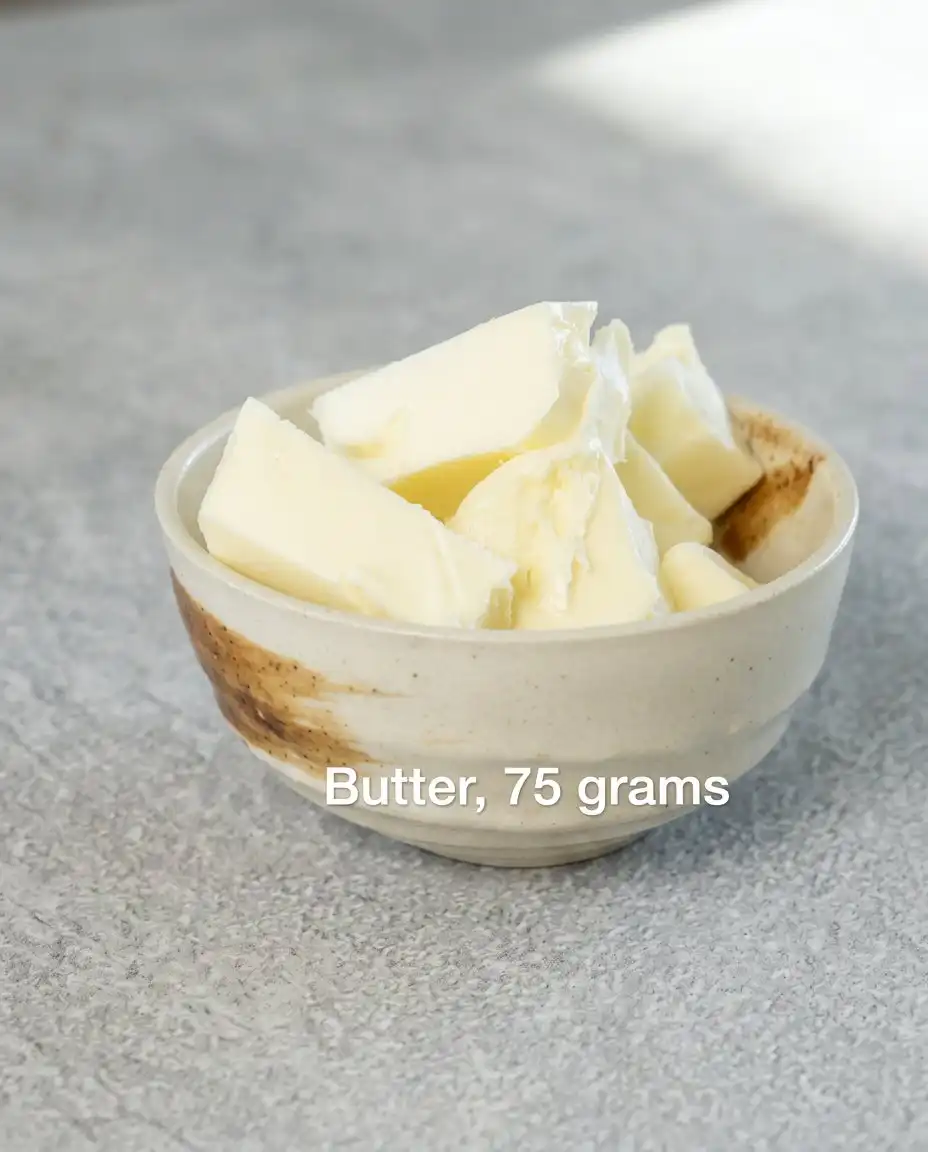
Gathering your ingredients is the first step in this comforting kitchen ritual. You do not need to make a special trip to a specialty grocery store, as these are plain, honest ingredients that are likely sitting in your pantry and refrigerator right now.
- Unsalted Butter: This provides the rich, unmistakable foundation of flavor and creates those coveted crisp, buttery edges as the cake bakes.
- Cream Cheese: The secret to a velvety, dense crumb that stays moist for days and adds a subtle, pleasant tang to balance the sweetness.
- Granulated Sugar: Beyond sweetening the cake, sugar cuts into the butter during creaming, creating tiny air pockets that help the heavy batter rise.
- Large Eggs: These act as the primary structure and leavening agent, giving the cake its beautiful yellow color and rich, custardy texture.
- All-Purpose Flour: A plain, reliable flour that gives the cake its sturdy, traditional structure without the need for delicate cake flours.
- Vanilla Extract: A generous splash of high-quality vanilla rounds out the flavors, filling your kitchen with a nostalgic aroma.
| Ingredient | Why It Matters |
|---|---|
| Butter | Creates the rich flavor and classic golden, buttery crust |
| Cream Cheese | Provides moisture, structure, and a tender, dense crumb |
| Granulated Sugar | Incorporates air during creaming to help the cake rise |
| Large Eggs | Bind the batter together and provide natural leavening |
| All-Purpose Flour | Establishes a reliable, traditional crumb structure |
When you look at these ingredients, you might see simple everyday items, but together they perform a beautiful dance in the oven. The key is making sure everything is at the right temperature before you begin mixing. Cold butter and cold cream cheese will resist blending, leaving you with a lumpy batter that will not rise properly. Taking the time to let these ingredients sit on your counter for an hour is a small act of patience that pays off in a successful bake.
Using all-purpose flour instead of specialty cake flour keeps this recipe grounded in traditional Southern baking. My grandmother never kept fancy flours in her pantry, relying instead on a big tin of plain all-purpose flour for everything from biscuits to her famous holiday desserts. This choice guarantees the cake has that substantial, comforting weight that defines a true heirloom recipe. It is a reminder that we do not need complicated ingredients to create something truly memorable.
How to Bake It
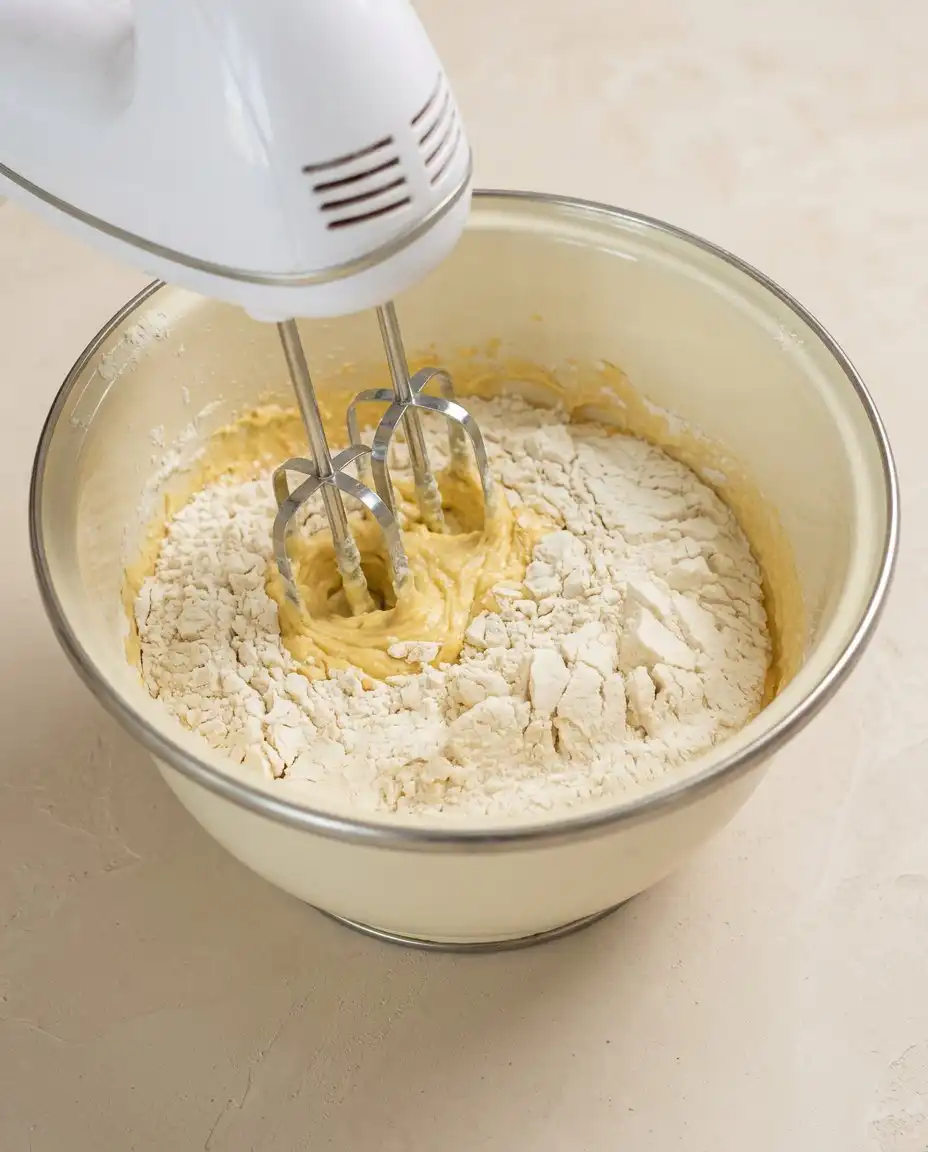
Baking a classic cake is a slow, meditative process that should never be rushed. Turn on the radio, clear off your kitchen counter, and let us walk through the steps together to create this timeless dessert.
Step 1: Prepare Your Kitchen and Pan
Before you touch a single ingredient, set your oven to 325 degrees Fahrenheit and let it preheat fully. Take a generous spoonful of shortening or softened butter and coat every single crevice of your ten-inch tube pan, followed by a light dusting of all-purpose flour. Tap the pan upside down over the sink to remove any excess flour, leaving a thin, even coat that will prevent your cake from sticking. This simple preparation is the best insurance policy for a clean release later on.
Step 2: Cream the Butter and Cream Cheese
In your largest mixing bowl, combine the softened butter and the package of cream cheese. Beat them together with a sturdy spoon or a hand mixer until the mixture is completely smooth, pale, and free of any lumps. This process should take about three to four minutes, as you want the two fats to become completely unified. You will know it is ready when it looks like a thick, luxurious frosting that holds its shape when you lift the spoon.
Step 3: Gradually Add the Sugar
Slowly stream the granulated sugar into your creamed mixture, keeping your mixer on a medium speed. Do not rush this step, as adding the sugar too quickly can weigh down the fat and prevent air from incorporating. Beat the mixture for another five minutes until it becomes light, fluffy, and slightly increased in volume. The texture should feel slightly gritty but uniform, resembling a soft, pale cloud in your bowl.
Step 4: Incorporate the Eggs Slowly
Add your room-temperature eggs to the bowl two at a time, beating thoroughly after each addition. This slow process allows the fat-heavy mixture to emulsify with the liquid in the eggs without breaking or curdling. If the batter begins to look slightly separated, beat it for an extra minute until it comes back together smoothly. Once all six eggs are incorporated, the batter should look rich, yellow, and wonderfully velvety.
Step 5: Mix in the Flour and Vanilla for Cream Cheese Pound Cake
Measure your all-purpose flour carefully by spooning it into a measuring cup and leveling it off with the back of a butter knife. Add the flour to your wet ingredients all at once, mixing on the lowest speed only until the white streaks disappear. Pour in the teaspoon of vanilla extract and stir gently with a wooden spoon to fold it through the thick batter. Be careful not to overmix at this stage, as overworking the flour will develop too much gluten and make your Cream Cheese Pound Cake tough rather than tender.
Step 6: Bake to Golden Perfection
Spoon the thick, heavy batter into your prepared tube pan, smoothing the top with the back of a spoon. Place the pan on the center rack of your preheated oven and let it bake undisturbed for one hour and twenty minutes. Resist the temptation to open the oven door too early, as a sudden rush of cool air can cause the heavy cake to sink in the middle. You will know the cake is done when the top is a deep golden brown and a wooden toothpick inserted into the thickest part comes out clean with only a few moist crumbs clinging to it.
Step 7: Cool and Release the Cake
Remove the pan from the oven and place it on a wire cooling rack, draping a clean kitchen towel gently over the top. Let the cake rest in the pan for exactly twenty minutes to allow its delicate structure to firm up. Run a thin, flexible knife around the outer edge and the inner tube of the pan to make sure no parts are stuck. Invert the pan onto a serving platter, lift it away gently, and let the cake cool completely before slicing.
Grandmother’s Tips
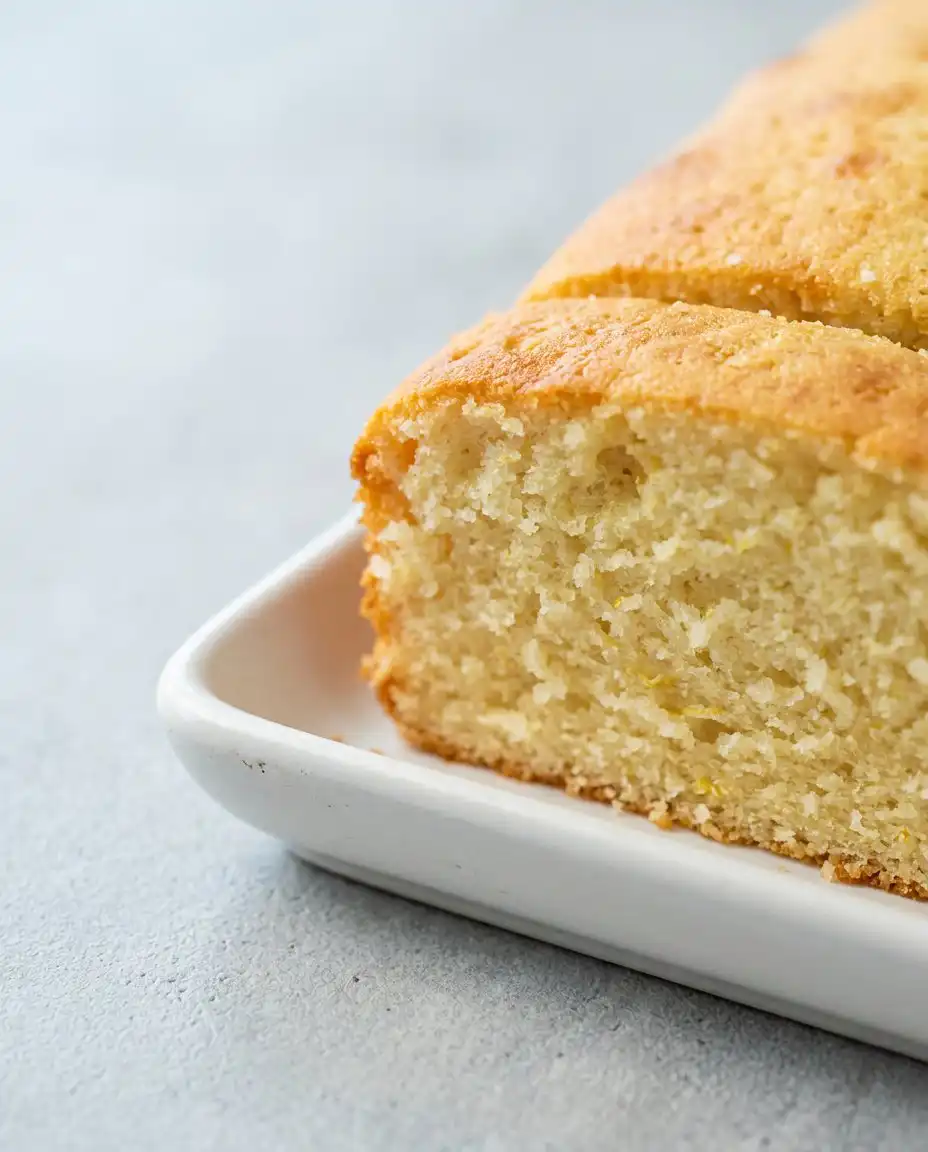
Always bring your butter, cream cheese, and eggs to room temperature before you begin. Cold ingredients will not emulsify properly, which can lead to a dense, heavy cake with a greasy bottom layer. Leave them on the counter for at least an hour, or warm the eggs in a bowl of lukewarm water for ten minutes if you are in a pinch.
How you measure your flour can make or break the texture of your dessert. Never scoop your measuring cup directly into the flour bag, as this packs the flour down and adds up to twenty percent more flour than the recipe calls for. Instead, fluff your flour with a fork, spoon it gently into the cup, and sweep the excess off with a flat edge.
If your cake develops a wet, gummy layer at the bottom, here is why and how to fix it. This common issue, often called a sad streak, happens when the eggs are beaten too rapidly or when the batter is not fully emulsified. To prevent this, make sure your cream cheese and butter are thoroughly beaten before adding the eggs, and keep your mixer on low to medium speed throughout the process.
Oven temperatures can vary wildly, so it is wise to keep an independent oven thermometer hanging on your center rack. A temperature that is even fifteen degrees too hot can bake the outside of your cake too quickly, leaving the interior raw and causing the top to crack excessively. If you notice your cakes browning too fast, try lowering the heat slightly and extending the baking time.
This cake is highly forgiving and actually tastes better the next day as the moisture redistributes through the dense crumb. Store any leftover slices in an airtight container at room temperature with a sheet of parchment paper between them to keep them from sticking. For a different morning treat, you can also read about our pecan streusel coffee cake story which offers a similarly comforting start to your day.
Choose a solid, one-piece tube pan rather than a springform pan for the best heat distribution. The central tube allows hot air to circulate through the middle of the heavy batter, guaranteeing the center bakes at the exact same rate as the outer edges. If you only have a bundt pan, you can use it, but keep a close eye on the baking time as the decorative ridges can cause the cake to bake slightly faster.
Frequently Asked Questions
What does cream cheese do to a pound cake?
Cream cheese adds incredible moisture and density to the cake, creating a tight, velvety crumb that is much softer than a traditional recipe. It also introduces a very subtle tang that cuts through the sweetness of the sugar, making the flavor profile more complex and balanced.
Can you use all-purpose flour instead of cake flour?
Yes, this recipe is designed specifically for plain all-purpose flour to give the cake its traditional, substantial texture. Cake flour would make the structure too delicate and soft, losing that classic, comforting weight that defines a true Southern pound cake.
What is the difference between regular pound cake and cream cheese pound cake?
A traditional pound cake relies solely on butter for its fat content, resulting in a slightly lighter, drier crumb. Adding cream cheese introduces extra fat and moisture, which makes the cake significantly denser, softer, and much better at staying fresh over several days.
Why is my cream cheese pound cake dense or heavy?
While this style of cake is naturally dense, an overly heavy or wet texture usually means the butter and sugar were not creamed long enough, or the eggs were cold when added. Creaming creates the tiny air pockets needed for rise, so skipping that step will result in a flat, heavy bake.
Why did my cream cheese pound cake fall or collapse in the middle?
A collapsed center is usually caused by opening the oven door too early in the baking process, which lets cool air disrupt the rising structure. It can also happen if your baking temperature is too low, or if the cake was taken out of the oven before the center was fully baked.
How do I know when my pound cake is done?
The best way to test for doneness is to insert a long wooden skewer or toothpick into the deepest part of the cake. It should come out completely clean or with a few dry crumbs attached; if you see wet batter, the cake needs to bake for another five to ten minutes.
Do the ingredients need to be room temperature?
Absolutely, having room-temperature ingredients is crucial for a successful rise and a smooth batter. Cold ingredients will cause the batter to curdle and separate, preventing the butter from holding the air pockets that make the cake rise beautifully.
How long does a cream cheese pound cake last?
When kept in an airtight container at room temperature, this cake will stay fresh and moist for up to five days. You can also wrap the cooled cake tightly in plastic wrap and aluminum foil to freeze it for up to three months.
Family Variations
For a bright, summery twist, you can easily add the fresh zest of two lemons to the sugar before creaming it with the butter. The sugar crystals will rub against the zest, releasing the fragrant citrus oils throughout the entire batter. This simple addition pairs wonderfully with a light dusting of powdered sugar or a simple glaze made from fresh lemon juice and powdered sugar.
When the autumn air starts to feel crisp, you can transform this recipe by folding in a teaspoon of ground cinnamon and a pinch of freshly grated nutmeg. These warm spices complement the rich cream cheese beautifully, evoking the cozy feelings of holiday baking. If you enjoy spiced desserts, you might also like to read our carrot cake cupcakes cream cheese frosting story for another wonderful way to enjoy these classic flavor combinations.
If you want to add a subtle depth of flavor without changing the texture, replace half of the vanilla extract with high-quality almond extract. This small change gives the cake a sweet, nutty aroma that reminds many folks of old-fashioned wedding cakes. It is a simple switch that makes the cake feel special enough for Sunday dinner without requiring any extra effort.
How to Serve It
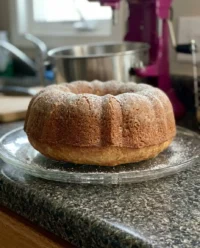
This versatile cake is beautiful enough to stand alone on a glass cake stand, but it also welcomes a variety of simple accompaniments. A simple dusting of powdered sugar right before serving adds a touch of elegance without overwhelming the rich flavor of the crumb. Slice it thick and serve it alongside a bowl of fresh, macerated berries and a dollop of unsweetened whipped cream for an ideal summer dessert.
For a warm, comforting treat on a chilly afternoon, try lightly toasting a thick slice of the cake in a skillet with a tiny pat of butter. The edges will caramelize beautifully, creating a delightful contrast with the soft, dense interior. If you love warm fruit desserts, you can also check out our peach cobbler sheet cake story for another wonderful way to celebrate sweet, seasonal flavors at your table.
This is also the ideal make-ahead dessert for family gatherings, as the flavor deepens and the texture becomes even more velvety after sitting overnight. Wrap the cooled cake tightly in plastic wrap and store it on your counter, ready to be sliced for unexpected guests. It pairs beautifully with everything from hot herbal tea to a cold glass of milk, making it a reliable crowd-pleaser.
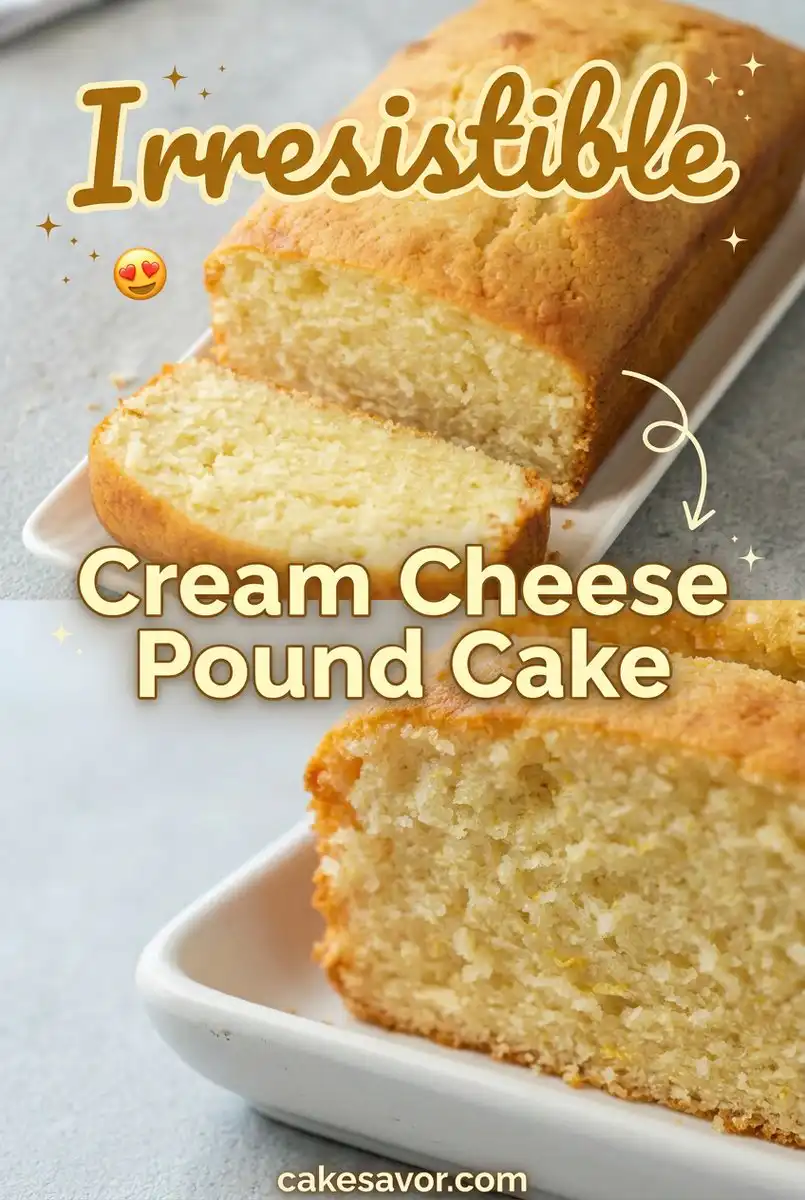
Save the Recipe
There is a reason this simple recipe has stood the test of time and continues to be a favorite in kitchens across the country. It reminds us that we do not need complicated techniques or exotic ingredients to create a sense of comfort and connection at the kitchen table. Every slice is a tribute to the patient, honest baking that our grandmothers perfected decades ago.
We hope this cake brings a little bit of warm Southern hospitality to your home, whether you are sharing it with family on a Sunday afternoon or enjoying a quiet slice by yourself. For more timeless baking inspiration and comforting recipes, be sure to visit us at Cake Savor and view our collection of family favorites. Do not forget to share your baking journey with us on Pinterest, Facebook, and Telegram so we can celebrate your kitchen successes together.