You promised a stunning dessert for the weekend cookout but only have a few quiet moments after dinner to actually make it happen.

This beautiful Mango Passion Fruit Mousse Cake is the ticket to bringing a slice of sunny paradise to your kitchen table. We are combining a wonderfully light, airy sponge with a velvety fruit mixture that tastes like a tropical getaway. You do not need professional pastry training or complex kitchen gear to master this beautiful dessert. It all comes together in a basic springform pan while you relax with a warm drink.
Why This Mango Passion Fruit Mousse Cake Is a Keeper
Prep: 45 min · Serves: 12 · Difficulty: Easy
- Uses basic pantry staples for the delicate sponge cake layers.
- No complicated decorating skills required to look spectacular.
- Provides a beautiful balance of sweet and tart flavors.
- Assembles beautifully inside a classic loose-bottom springform tin.
- Features a light, melt-in-your-mouth texture in every single bite.
You will feel like a master baker the moment you slice into this beauty. If you are looking for more fun fruit inspiration, check out our classic mango mousse cake story to see how lovely these desserts turn out.
Get The Full Cake Recipe
Print
Mango Passion Fruit Mousse Cake
- Total Time: 1 hour 25 mins
- Yield: 12 servings
- Diet: Vegetarian
Description
Experience the perfect balance of light, airy sponge and velvety tropical fruit in this stunning mango passion fruit mousse cake. It is a visually impressive dessert that comes together easily for a beautiful, refreshing treat.
Ingredients
- 6 large egg whites
- 1/2 tsp cream of tartar
- 1 cup granulated sugar, divided
- 4 large egg yolks
- 1 tsp vanilla extract
- 2 tbsp vegetable oil
- 1/4 cup whole milk
- 1 cup all-purpose flour
- 1 tsp baking powder
- 1/4 tsp salt
- 2 fresh mangos, pureed
- 1/2 cup passionfruit juice
- 2 tbsp gelatin powder
- 2 cups double cream
- 1 package sponge fingers
Instructions
- Prepare the oven. Preheat your oven to 180C (350F) and line the bottoms of two eight-inch cake tins with parchment paper, leaving the sides dry.
- Whip the whites. Beat egg whites and cream of tartar until foamy, then gradually add sugar while whipping until stiff, shiny peaks form.
- Combine the base. In a separate bowl, beat egg yolks, remaining sugar, and vanilla until pale and thick, then stir in the oil and milk.
- Fold and bake. Gently mix flour, baking powder, and salt into the yolk mixture, fold in the whipped egg whites, and bake for 35 to 40 minutes.
- Cool the cakes. Flip the tins onto a wire rack until completely cool, while allowing gelatin to bloom in two tablespoons of cold water.
- Prepare the fruit. Combine mango puree, passionfruit juice, and sugar in a saucepan, simmer, stir in the bloomed gelatin, and chill for 30 minutes.
- Fold the mousse. Whip the double cream and vanilla to soft peaks, then gently fold the chilled mango mixture into the cream in three additions.
- Assemble the cake. Layer one cake in a springform pan, brush with milk, arrange sponge fingers around the edge, add half the mousse, and freeze briefly.
- Finish and chill. Top with the second cake layer, the remaining mousse, and a final layer of whipped cream, then refrigerate overnight to set.
Notes
- Ensure eggs are at room temperature before whipping to achieve maximum volume for the sponge layers.
- Use a wide rubber spatula and a gentle figure-eight motion when folding to maintain the airy structure.
- Verify that the fruit puree is completely cooled before adding to the whipped cream to prevent the mixture from collapsing.
- Run a thin, sharp knife around the edge of the springform pan to ensure a clean release before serving.
- Prep Time: 45 mins
- Cook Time: 40 mins
- Category: Dessert
- Method: Baking and Chilling
- Cuisine: Tropical
Pantry Lineup
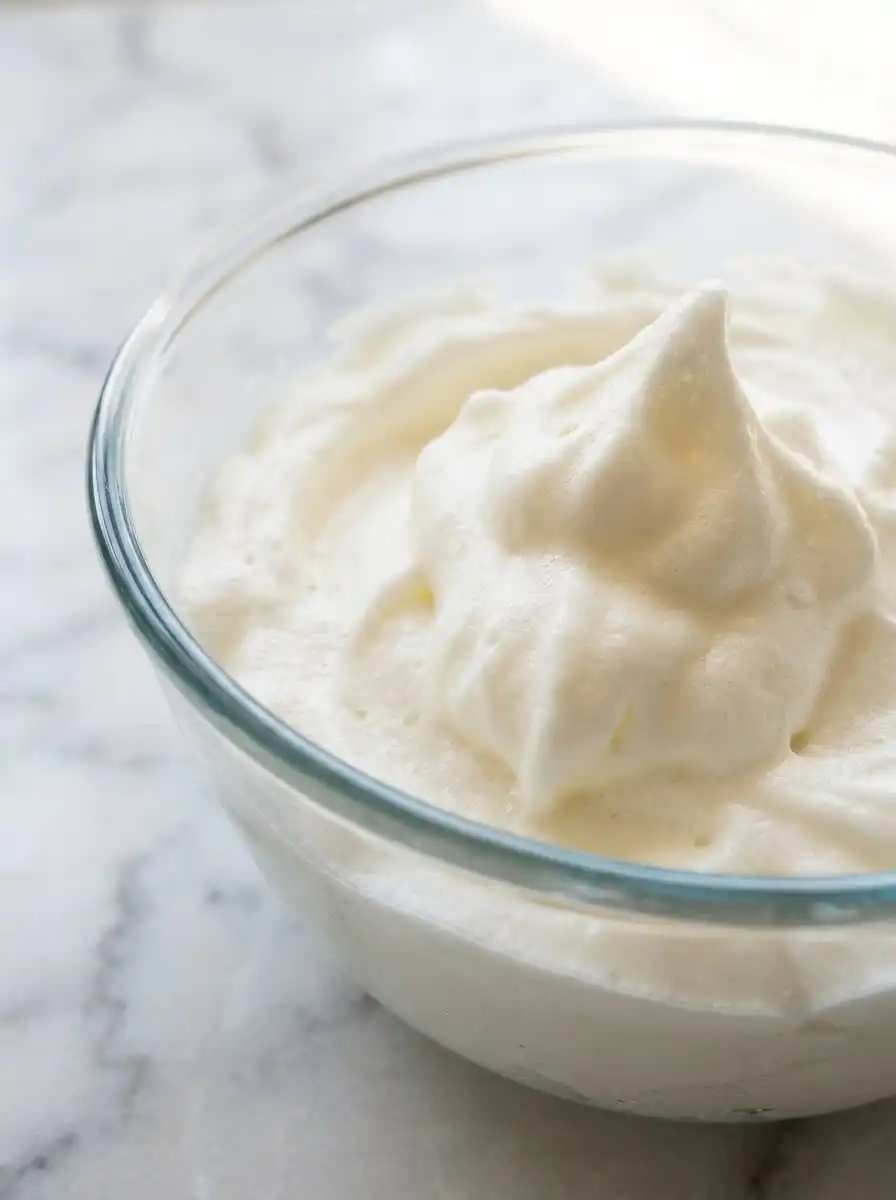
Creating this tropical masterpiece is much easier than it looks when you break down the basic components. We are using standard kitchen staples combined with ripe fruit to build layers of light flavor and satisfying texture. This smart combination guarantees a sturdy slice that holds its shape beautifully on the serving plate.
- Egg whites: Whipped to stiff peaks with cream of tartar to give the sponge layers their signature rise and airy structure.
- Fresh mangos: Processed into a smooth puree to form the rich, sweet foundation of our light filling.
- Passionfruit juice: Brings a sharp, tangy kick that cuts through the sweetness of the stone fruit beautifully.
- Double cream: Whipped to soft peaks to give the filling its cloud-like, velvety consistency.
- Gelatin powder: Works behind the scenes to help the fruit layers set into stable, clean-cutting slices.
- Sponge fingers: Form a decorative outer ring that adds a classic touch and keeps the filling neatly contained.
| Ingredient | Why It Matters |
|---|---|
| Fresh mangos | Pureed to provide a sweet, tropical flavor base. |
| Passionfruit juice | Balances the sweetness with a sharp, tangy kick. |
| Gelatin powder | Helps the mousse set into stable, clean slices. |
| Double cream | Creates a light, airy texture for the filling. |
| Sponge fingers | Offers a classic decorative border and satisfying crunch. |
From Bowl to Oven
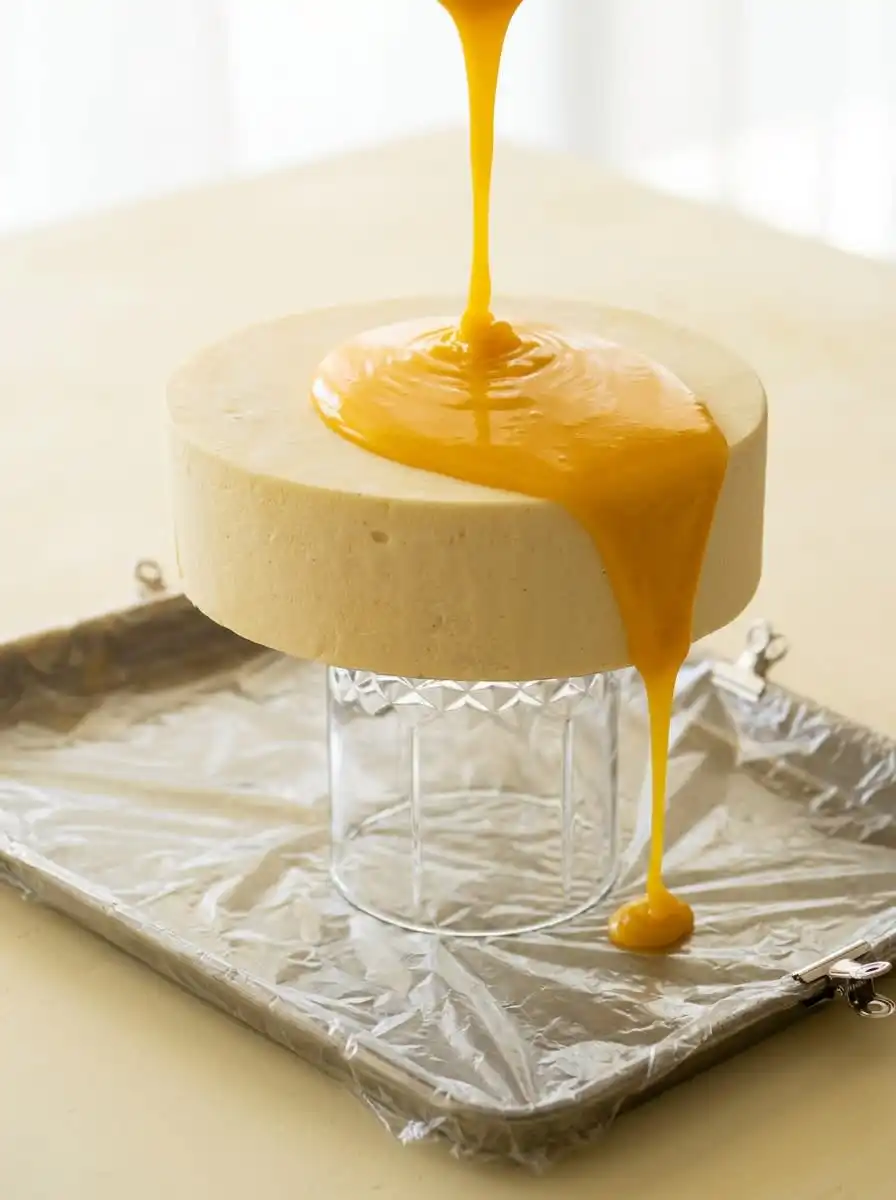
Step 1: Prep Your Oven and Cake Tins
Start by heating your oven to 180C (350F) so it reaches the proper temperature before your batter is ready. Line the bottom of two eight-inch cake tins with rounds of parchment paper. Make sure you do not grease the sides of the tins because the sponge needs to cling to the metal as it rises. Leaving the metal dry allows the batter to climb evenly and prevents the cake from collapsing in the center.
Step 2: Whip the Whites to Stiff Peaks
In a large bowl, combine your six egg whites and the cream of tartar. Beat this mixture until it becomes foamy, then slowly pour in the first portion of sugar while keeping the mixer running. Continue whipping until the whites hold stiff, shiny peaks that stand up straight when you lift the beaters. This step traps the essential air that gives our layers their delicate height.
Step 3: Beat the Yolks and Mix the Wet Ingredients
Grab another large bowl and combine the egg yolks, the remaining sugar, and the vanilla extract. Beat these together for about two minutes until the mixture turns pale yellow and slightly thickens. Stir in the vegetable oil and whole milk until everything is fully combined. The oil guarantees a moist crumb that stays soft even after chilling in the refrigerator.
Step 4: Fold the Batter and Bake the Sponge Layers
Gently stir your flour, baking powder, and salt into the yolk mixture until you have a smooth batter. Use a flexible spatula to gently fold in half of the whipped egg whites, then fold in the remaining half until no white streaks remain. Divide this evenly between your prepared tins and bake for 35 to 40 minutes until a toothpick inserted in the center comes out clean.
Step 5: Cool the Cakes and Prep the Mousse Gelatin
As soon as the cakes leave the oven, flip the tins upside down onto a wire cooling rack. Leave the cakes inside the upside-down tins until they are completely cold. Meanwhile, stir your gelatin powder into two tablespoons of cold water in a small bowl and let it sit to firm up. Letting the gelatin bloom in cold water first prevents lumps from forming later.
Step 6: Create the Passion Fruit and Mango Base
Process your fresh mango pieces in a food processor until completely smooth. Pour this puree into a medium saucepan along with the passionfruit juice and sugar, then heat over medium power until it reaches a gentle simmer. Remove the pan from the heat, stir in the softened gelatin until dissolved, and chill the mixture in the fridge for thirty minutes.
Step 7: Fold the Whipped Cream Into the Fruit
Whip your double cream and vanilla extract in a cold bowl until soft peaks form. Gently whisk your chilled mango mixture into the whipped cream in three separate additions until you have a smooth, uniform color. You can add a drop of yellow food coloring at this stage if you want a brighter shade that mimics warm summer sunshine.
Step 8: Build the Mango Passion Fruit Mousse Cake
Remove your cooled cakes from their tins and trim the tops so they are flat and even. Place one cake layer into the bottom of a nine-inch springform tin, then brush it with half of the warm vanilla milk. Stand the sponge fingers upright around the inside rim of the tin, pour in half of the mousse, and freeze for ten minutes. This quick freeze creates a stable barrier so the next cake layer does not sink.
Step 9: Add the Top Layer and Chill Overnight
Place the second cake layer on top of the chilled mousse, brush with the remaining milk, and pour the rest of the mousse over it. Freeze this assembly for twenty minutes while you whip your double cream, powdered sugar, and vanilla to soft peaks. Spread or pipe this cream over the top of your cake, decorate with extra mango, and refrigerate overnight to set.
Easy-Baker Notes
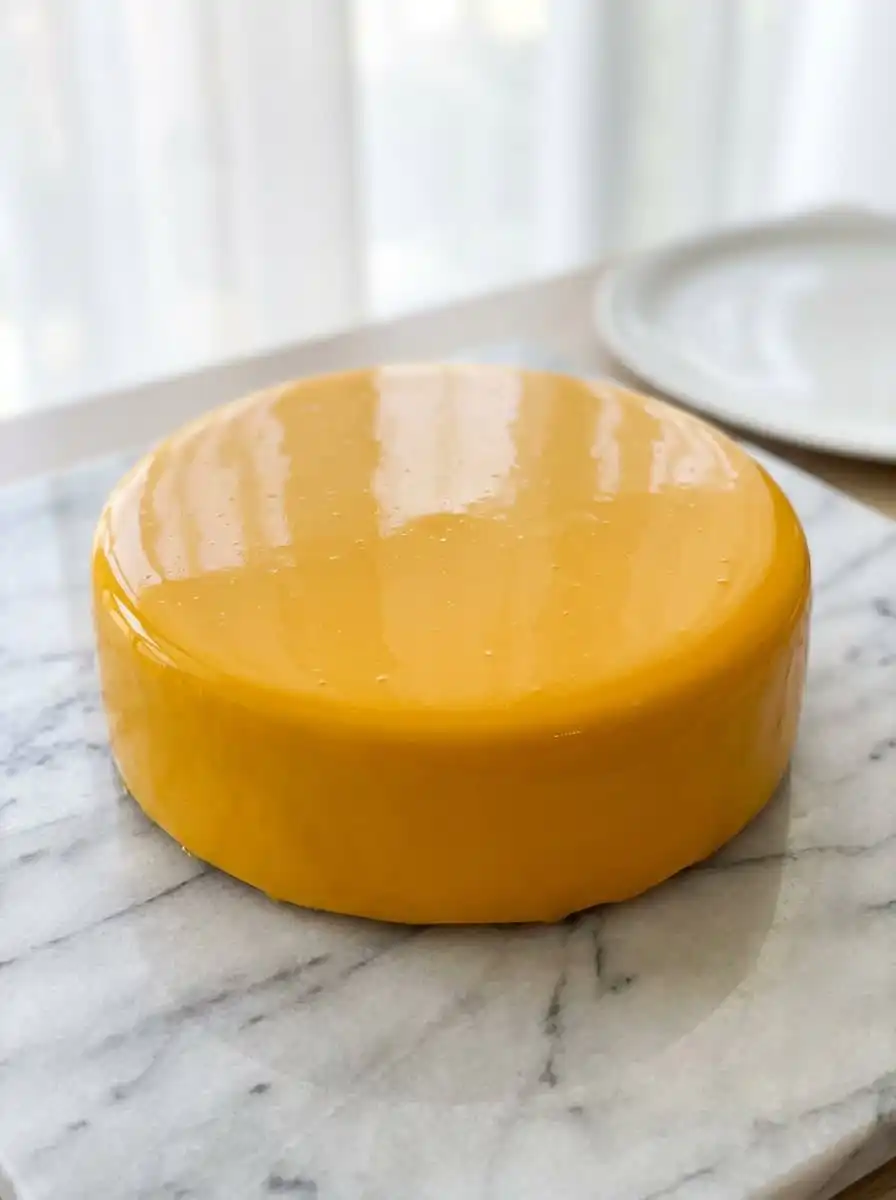
To get the best out of your sponge cake, make sure your eggs are at room temperature before you start whipping. Cold eggs do not trap air as efficiently, which can lead to a dense, heavy layer instead of a light bake. This is a simple trick that completely changes the texture of your cake.
If your whipped egg whites lose their volume when you fold them, you might be mixing too vigorously. Use a wide rubber spatula and a slow figure-eight motion to fold the mixtures together without knocking out the trapped air. Gentle hands are the key to a light, airy sponge cake layer.
If your mousse mixture remains thin and runny after folding, the fruit puree was likely still too warm when you added the whipped cream. Warm puree melts the fat in the cream, causing the structure to collapse. To fix this, place the bowl in the fridge for fifteen minutes to let the gelatin start to grab, then whip it gently once more.
Using fresh, ripe fruit makes a massive difference in the overall flavor of your dessert. Look for fruit that gives slightly under gentle pressure and smells sweet near the stem end. Unripe fruit will make your filling taste flat and overly acidic.
If you are looking for tips on achieving the perfect sponge texture, you can check out our classic mango sponge cake recipe story for extra guidance. It details exactly how to whip the eggs to guarantee success.
For those who want to see how this style of dessert compares to historic European designs, you can read about the traditional Charlotte cake technique to learn more. Understanding the history of these layered desserts makes the baking process even more rewarding.
Always run a thin, sharp knife around the inside of the springform tin before releasing the latch. This prevents the delicate fruit layer from sticking to the metal and tearing as you open the pan. Taking your time during this step guarantees a beautiful bakery finish.
Frequently Asked Questions
What is the best way to make the passion fruit layer?
The best way to make this layer is by combining fresh passionfruit pulp with your mango puree and warming them together with sugar. Simmering the mixture briefly helps dissolve the sugar and ensures the gelatin blends smoothly without forming lumps.
How do you prevent the mousse from melting?
To keep your dessert stable, make sure you use the correct amount of gelatin and let it set completely in the fridge overnight. Keep the cake chilled until you are ready to slice and serve it, as room temperature will soften the cream.
Can you make mango passion fruit mousse cake without baking?
Yes, you can skip the baking steps by using store-bought ladyfingers or a simple graham cracker crust at the bottom of your tin. Assemble the fruit layers directly on top of your prepared base and let it set in the fridge.
Can you freeze a mousse cake?
You can freeze this dessert for up to two weeks if it is wrapped tightly in plastic wrap and foil. Defrost the cake slowly in your refrigerator for several hours before you plan to slice and serve it to your guests.
What kind of glaze goes on top?
A simple mirror glaze made from strained fruit puree, sugar, and a small amount of gelatin works beautifully on top. This creates a shiny, polished finish that makes the dessert look like it came from a professional pastry shop.
Is a sponge cake base required for mango passion fruit mousse cake?
A sponge base is not strictly required, though it provides a lovely structural contrast to the creamy filling. You can easily substitute a cookie crust or skip the cake entirely to make a gluten-free fruit cup dessert.
How long should a mousse cake chill before serving?
Your cake needs to chill in the refrigerator for at least eight hours, though leaving it overnight is highly recommended. This extended chilling time allows the gelatin to set fully and lets the flavors meld together beautifully.
Can I substitute gelatin in a mango passion fruit mousse cake?
You can substitute agar-agar powder if you prefer a vegetarian alternative to traditional gelatin. Keep in mind that agar-agar sets much firmer, so you will need to adjust the quantities carefully to maintain a light, airy texture.
Simple Swaps
You can easily customize this recipe to suit whatever ingredients you have in your cupboards. If passionfruit is hard to find in your local grocery store, you can swap it out for fresh lime juice to keep that signature tangy kick. This substitution gives the cake a bright, zesty character that is wonderfully refreshing.
For a fun texture twist, try replacing the sponge fingers with a toasted coconut crust. This swap adds a wonderful nuttiness that pairs beautifully with the tropical fruit layers. If you enjoy baking with tropical flavors, you might also love learning about our mango upside down cake story for your next baking adventure.
Another great option is to use a mix of peaches and raspberries instead of the mango and passionfruit combination during the late summer months. This swap keeps the same light texture while celebrating different seasonal harvests. It is an excellent way to use up whatever fresh fruit is abundant in your garden.
Slice & Serve
This beautiful treat is best served cold, straight from the refrigerator, to maintain its neat layers. Use a sharp knife dipped in hot water and wiped dry between each slice to get clean, professional-looking portions. This simple step keeps the whipped cream and fruit layers from dragging and smearing.
You can serve this dessert alongside a refreshing pot of herbal tea or a light iced coffee during a warm afternoon gathering. The bitter notes of coffee or the herbal tones of tea balance the sweet fruit profile beautifully. It makes for an elegant centerpiece that requires very little active effort on the day of your party.
If you want to explore more ways to present beautiful fruit-based cakes for special occasions, take a look at our mango drip cake ideas story for more creative inspiration. Adding a few fresh mint leaves to the platter also adds a beautiful touch of color to your table presentation.
Bake It Soon
This cake proves that simple can be spectacular, showing you do not need a bakery kitchen to create something extraordinary. It is the perfect project for a quiet weekend morning while the kettle boils, giving you a beautiful dessert to share later. Your friends will never guess how straightforward the process actually was.
Once you take that first bite of light sponge and tangy fruit, you will see why this recipe is a keeper. If you ever want to switch things up with a rich, decadent chocolate option, try our chocolate mousse cake for your next baking project. It offers the same airy satisfaction with a deep, cocoa flavor.
We would love to see how your beautiful creation turns out. Share your baking photos with our community on Pinterest, follow our updates on Facebook, check out our quick baking videos on TikTok, or join our chat on Telegram to stay connected.