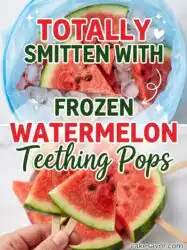
A cold tray of sweet watermelon wedges waits patiently in the quiet freezer, ready to bring instant, cool relief the very moment your little one starts fussing on a warm afternoon.

Baking for family means finding ways to bring comfort to everyone at the kitchen table, including the very youngest. Making these Frozen Watermelon Teething Pops is a simple way to soothe sore gums without resorting to store-bought plastic rings or artificial gels. There is nothing but pure, honest fruit in these sweet triangles, making them safe and deeply comforting for a teething infant. You only need a ripe melon and a package of wooden sticks to create a steady supply of frozen relief that tastes better than any commercial treat.
Why Frozen Watermelon Teething Pops Have Stayed in the Family
When the summer heat rolls into our valley, there is nothing quite like a cold slice of fruit to cool down a warm kitchen. This old family favorite has stayed with us through generations because it represents the simplest kind of care we can offer our children. When our babies are fussy and sore, we do not need to run to the store for plastic toys or synthetic drops when a ripe melon in the icebox holds all the comfort they need.
Our family often sets out a beautiful watermelon fruit cake tower story on the table for porch parties, but these teething slices are what we keep tucked in the freezer. We keep this method tucked away like a handwritten recipe card from a grandmother or aunt. It is a reliable comfort that works every single time, keeping our little ones content and quiet.
Prep: 10 min · Serves: 12 · Difficulty: Easy
- Only one whole ingredient needed.
- Safe relief for tender gums.
- Zero refined sugars or additives.
- Extremely easy for tiny hands.
- Prepared in under ten minutes.
This simple cold treat brings quiet peace back to your kitchen on heavy teething days.
Get The Full Cake Recipe
Print
Frozen Watermelon Teething Pops
- Total Time: 6 hours 10 mins
- Yield: 12 servings
- Diet: Vegan, Gluten-Free
Description
These soothing frozen watermelon wedges are a simple, natural remedy for teething infants, providing instant cooling relief with just one pure ingredient. They are easy to prepare and designed to be a safe, hydrating snack that small hands can easily grip.
Ingredients
- 1 whole seedless watermelon
- 12 wooden popsicle sticks
- Parchment paper
Instructions
- Prepare the melon. Wash the watermelon thoroughly under cool water and dry it completely with a clean towel.
- Slice the fruit. Cut the melon into thick wedges, ensuring they are about one inch wide for structural integrity.
- Create stick slots. Use a paring knife to cut a small, snug slit into the center of the rind on each wedge.
- Insert the sticks. Firmly push a wooden popsicle stick into each rind slot, ensuring it is embedded deep into the red fruit.
- Arrange for freezing. Place the wedges in a single layer on a parchment-lined baking sheet, ensuring no pieces touch.
- Freeze until solid. Place the sheet in the freezer for at least six hours or overnight until the fruit is completely firm.
- Store safely. Remove frozen pops from the parchment and store in a sealed container, using wax paper to separate layers.
Notes
- Ensure the watermelon is seedless to remove any choking hazards for younger infants.
- Use a sharp paring knife to create a tight slot so the stick stays firmly in place while the fruit softens.
- Line your baking sheet with parchment paper to prevent the wedges from sticking to the metal pan during the freezing process.
- Wrap the wooden sticks in a small cloth if they feel too cold for your baby’s hands to hold comfortably.
- Keep the frozen pops stored for up to three months; beyond that, the quality and texture of the fruit may begin to degrade.
- Prep Time: 10 mins
- Cook Time: 6 hours
- Category: Snacks
- Method: Freezing
- Cuisine: American
Simple Ingredients
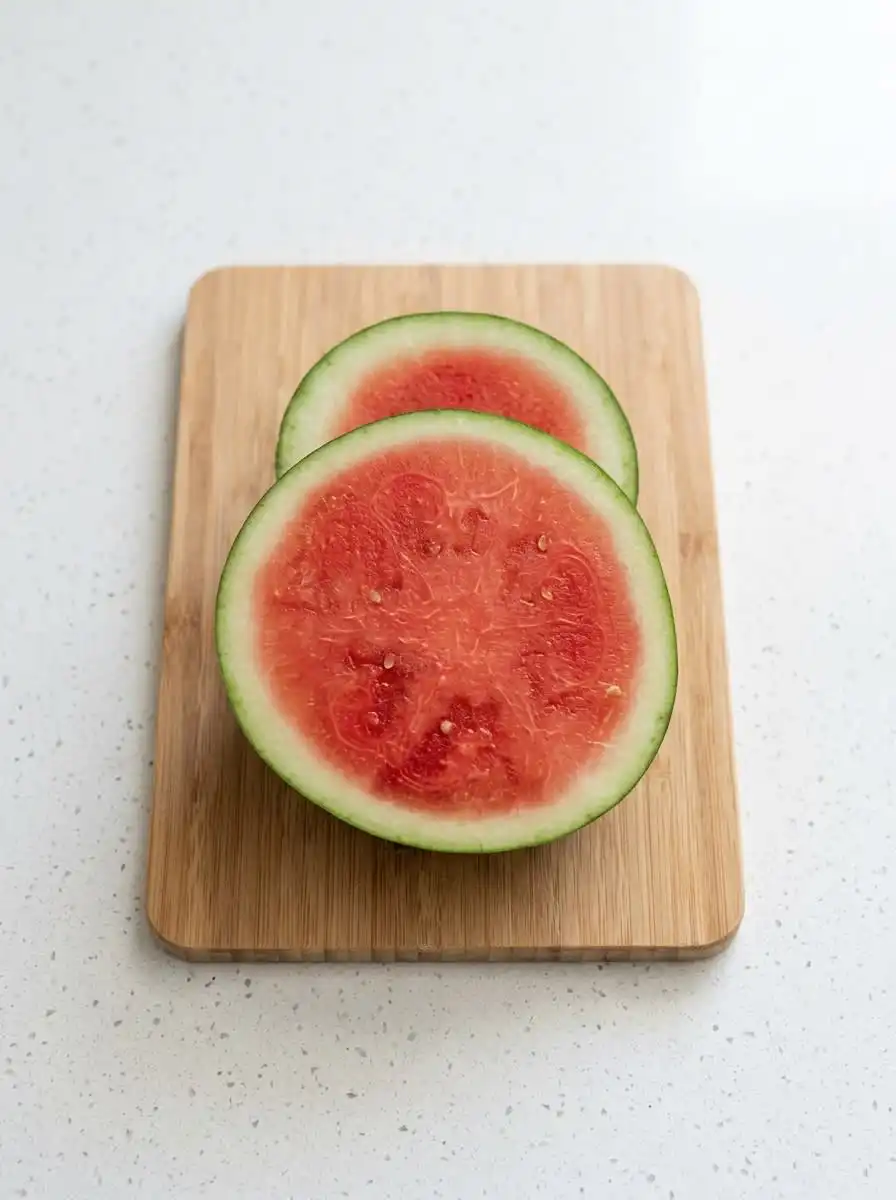
Preparing safe snacks for your children starts with choosing plain, honest ingredients from your local market. We do not use any artificial sweeteners, gelatins, or chemical binders in our kitchen, preferring the clean sweetness of whole fruit. This approach guarantees that every bite is healthy, hydrating, and entirely safe for a growing baby.
- Seedless Watermelon: This sweet melon provides the naturally hydrating base and a soft, icy texture that is gentle on sore infant gums. It is easy to slice, holds its shape beautifully when cold, and melts gently without leaving behind any tough fibers.
- Wooden Popsicle Sticks: These simple holders give parents a clean way to hold the treat or help older babies practice their grip. They are natural, biodegradable, and much easier for little fingers to handle than slick plastic alternatives.
- Parchment Paper: A single sheet prevents the wet melon wedges from sticking to your metal pan during their time in the freezer. Using this humble paper makes sure you can lift each frozen portion cleanly without tearing the fruit or losing the stick.
- Flat Baking Sheet: This basic kitchen pan keeps the sliced fruit completely level so the juices do not spill or freeze unevenly. A sturdy metal sheet also transfers cold air rapidly, helping the wedges freeze solid in less time.
- Plenty of Freezer Space: Having a clear, level shelf allows the fruit wedges to freeze solid without getting squished by other frozen foods. This makes sure that the beautiful triangle shapes are preserved and remain easy to stack once fully frozen.
| Ingredient | Why It Matters |
|---|---|
| Seedless Watermelon | Offers natural hydration and a forgiving, slushy texture when frozen. |
| Wooden Sticks | Provides a secure grip for small hands to hold the cold treat. |
| Parchment Paper | Makes sure the juicy wedges release easily from the cookie sheet. |
| Baking Sheet | Holds the slices flat so they freeze in a single even layer. |
The Simple Method
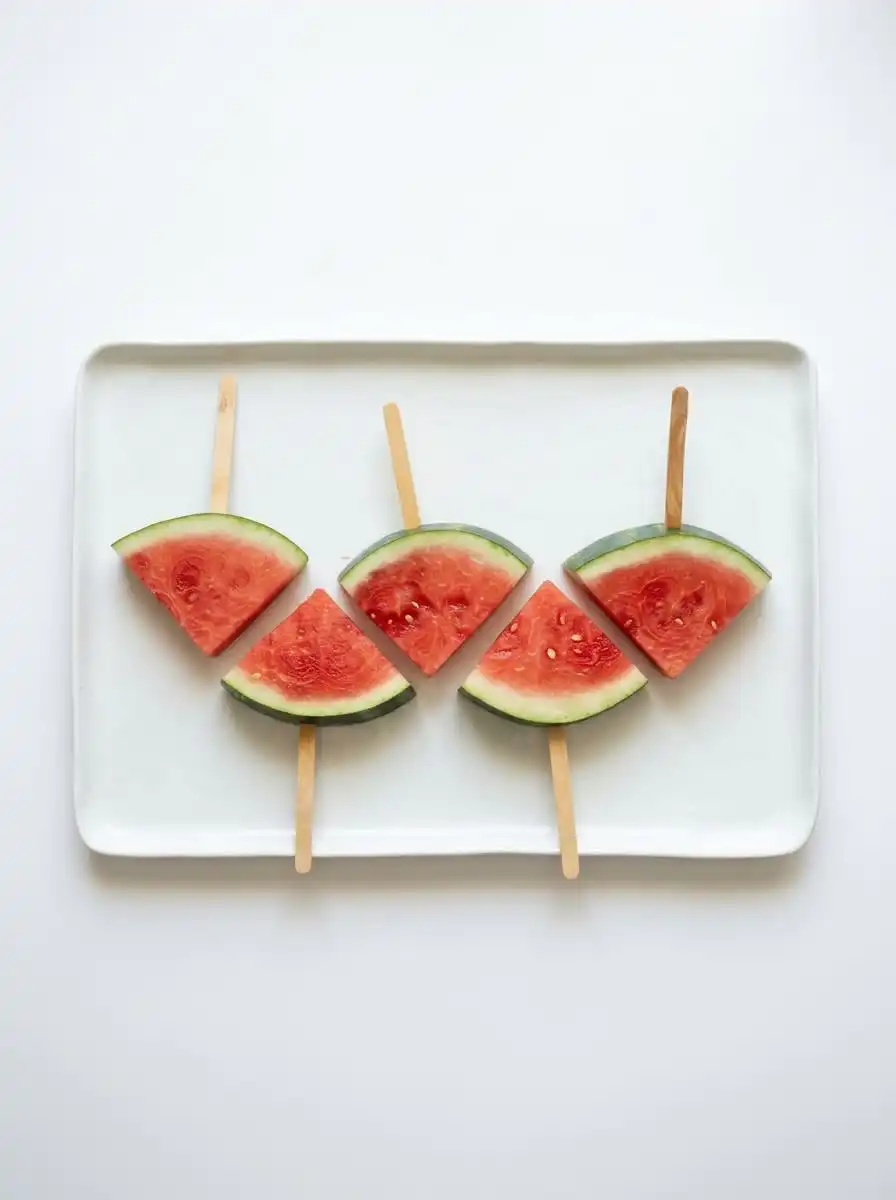
Step 1: Selecting a Ripe Melon
Choose a watermelon that feels heavy for its size and has a creamy yellow spot on its underbelly. When you tap it with your knuckles, it should sound hollow and deep rather than dull or metallic. This hollow sound tells you the red flesh inside is crisp, sweet, and full of natural juice. It is important to select a seedless variety so you do not have to worry about small black seeds later.
Step 2: Wash and Dry the Rind
Place the whole melon in your clean kitchen sink and rinse it thoroughly under cool tap water. Use a clean kitchen towel to scrub and dry the green skin completely before you start slicing. Removing the dirt from the outside prevents your knife from carrying any grit into the sweet red flesh as you cut. This simple habit keeps your baby’s treats clean, safe, and free from any garden residue.
Step 3: Slice Into Thick Wedges
Lay the dried melon on a sturdy wooden cutting board and cut it in half using a long knife. Slice those halves into thick wedges that measure about one inch in width across the widest part of the rind. You want them thick enough to hold a wooden stick securely without splitting apart or crumbling under pressure. Consistent thickness helps all the wedges freeze at the exact same rate in the cold box.
Step 4: Cut the Rind Slits
Take a smaller paring knife and carefully slice a narrow slit through the center of the green rind on each wedge. This opening should be the exact width of your wooden popsicle stick to make sure of a snug fit. A tight slit prevents the stick from wobbling or falling out as the melon softens during snack time. Be sure to press straight in to avoid slicing through the side of the rind.
Step 5: Freeze Your Frozen Watermelon Teething Pops Safely
Slip a wooden popsicle stick deep into each prepared rind slit until it is firmly embedded in the red fruit. Arrange the wedges in a single flat layer on your parchment-lined baking sheet, keeping them from touching. If the pieces touch, they will freeze together into a single block that is difficult to separate without tearing. Taking a moment to space them out keeps your treats looking neat and ready to serve.
Step 6: Solidify in the Cold Box
Clear a flat space on your middle freezer shelf and gently slide the loaded baking sheet inside. Let the sweet wedges freeze undisturbed for at least six full hours, or overnight if you have the time. The red flesh will turn a pale frosty pink and feel completely solid to the touch when it is ready. Keeping the freezer closed during this time helps the fruit solidify quickly and prevents ice crystals from forming.
Step 7: Store for Fussing Moments
Peel the frozen wedges off the parchment paper and place them into a clean container with a tight lid. Put small squares of wax paper between the layers to keep them from sticking over time in storage. Keep them tucked away in the coldest part of your freezer so they are ready whenever teething discomfort strikes. This organized storage makes it easy to grab a single pop at a moment’s notice.
Little Things That Matter
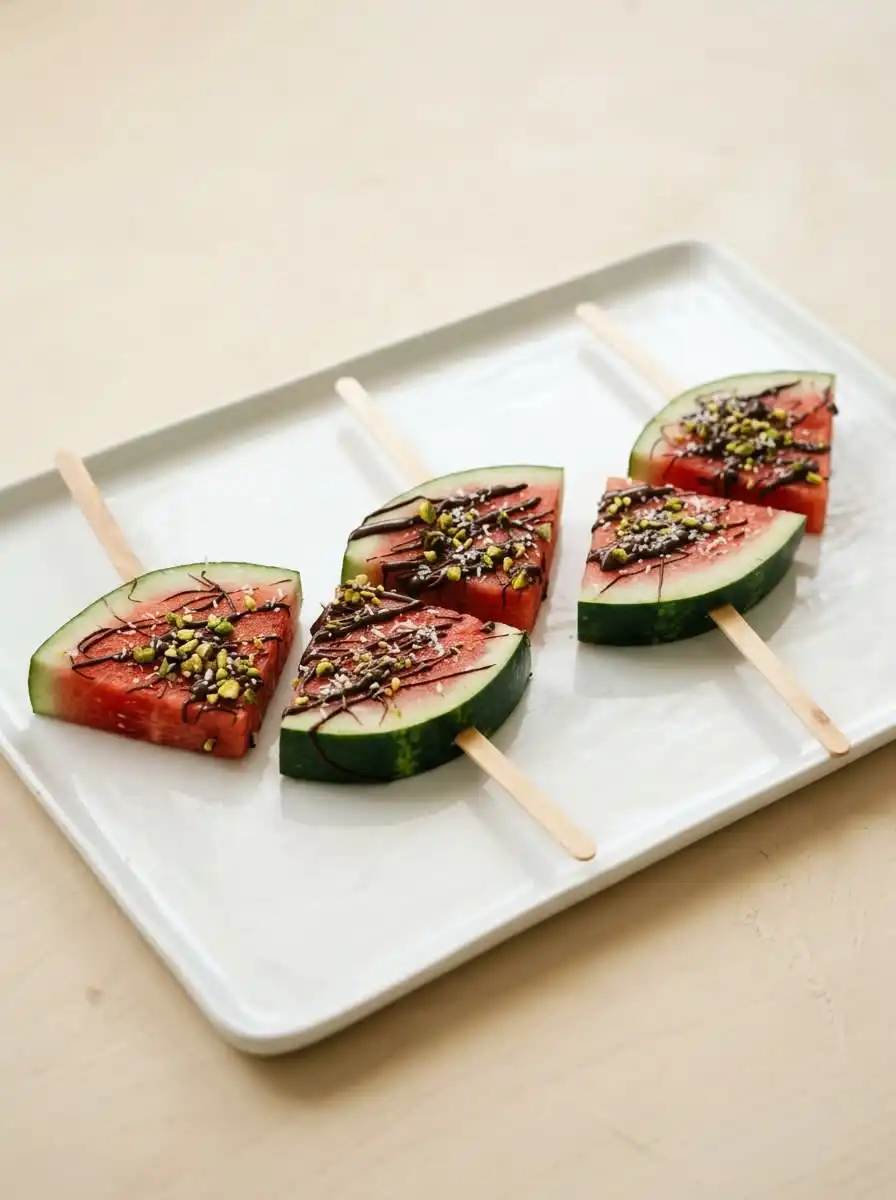
Always use a seedless melon when preparing treats for very young babies. Even though seedless watermelons contain small, soft white seed coats, these are completely safe and do not present any choking hazard. If you must use a seeded melon, take the extra time to scrape away every single black seed with a clean fork before freezing. Taking this precaution keeps your mind at ease while your baby enjoys their snack.
To make holding the cold treats even easier for tiny fingers, you can wrap a clean kitchen towel or a small silicone sleeve around the wooden stick. This keeps the child’s hands from getting uncomfortably cold while they gnaw on the frosty fruit. It also absorbs the sweet drippings as the melon slowly melts in the warm air. This small trick prevents the handle from becoming too slippery for a baby to hold.
If your melon pieces stick stubbornly to the baking sheet, here is why and how to fix it. This common issue happens when you skip using parchment paper or if the sheet was damp before loading the fruit. To solve this, run a thin metal spatula underneath the frozen wedges to pop them loose without breaking the wooden handles. Always make sure your baking pans are completely dry before lining them for the freezer.
You can read our classic watermelon fruit cake story to see how we celebrate hot summer days with larger melon displays, but for daily soothing, keeping these simple portions small is key. Smaller wedges are much less heavy for an infant to lift and control on their own. Aim for pieces that are roughly the size of a small lemon wedge to keep them manageable. This size fits comfortably in a high chair tray.
Avoid freezing the melon for more than three months, as the cold air will slowly dry out the natural juices and cause freezer burn. Wrapping the storage container in an extra layer of plastic wrap before closing the lid helps preserve the fresh taste. This simple step keeps the fruit tasting like a quiet Sunday afternoon baking with the radio on instead of a cold freezer shelf. Mark the date on the lid with a piece of tape so you can track freshness.
For more tips on choosing the best fruit and preparing safe snacks for your children, check out this guide on how to freeze watermelon popsicles safely. It provides wonderful advice on keeping your homemade summer treats wholesome and nutritious. Following these steps makes sure your freezer is always stocked with reliable relief for hot afternoons. It is a wonderful resource for parents who love natural, whole-food solutions.
Frequently Asked Questions
At what age can a baby have frozen watermelon pops?
Most babies can safely enjoy these cold treats around six months of age, which is when they typically begin showing signs of readiness for solid foods. Always look for key developmental signs, such as sitting up with minimal support and showing interest in what you are eating. It is best to consult with your pediatrician before introducing any new cold foods to your infant’s routine. Starting slowly with short sessions helps your little one get used to the cold sensation.
Is frozen watermelon a choking hazard for babies?
Large chunks of frozen melon can become a hazard if they break off in the baby’s mouth before melting. To prevent this, always leave the solid green rind on the wedge so it acts as a natural anchor for the popsicle stick. Additionally, you must supervise your baby closely during every single bite to make sure they only scrape off small, slushy bits. Keeping the fruit firmly attached to the rind prevents large pieces from slipping down their throat.
Can a 4-month-old have watermelon teething pops?
Pediatricians generally recommend waiting until a baby is six months old before offering solid foods or frozen fruit treats. At four months, an infant’s digestive system is still developing, and they are not quite ready to handle the texture of frozen melon. If your younger infant is struggling with oral pain, stick to cold rubber rings or a damp, chilled washcloth. These safer options provide comfort without introducing raw food too early.
Should I leave the rind on frozen watermelon slices for a baby?
Leaving the rind on is highly recommended because it provides a sturdy base that keeps the fruit from breaking apart too quickly. The tough skin also gives the wooden stick a secure grip so the red flesh does not slide off as it softens in warm air. Be sure to scrub the green rind thoroughly before slicing to remove any dirt or residue from the garden. This simple step guarantees that the entire treat remains completely sanitary for your little one.
Does frozen watermelon actually help with teething pain?
The cold temperature of the frozen melon works beautifully to numb sore, inflamed gums and reduce swelling naturally. As the baby gnaws on the wedge, the pressure from the fruit provides a comforting massage to the painful areas where new teeth are breaking through. Plus, the sweet juice offers a pleasant distraction that keeps their mind off the discomfort. It is a time-tested remedy that generations of mothers have relied on during summer.
Why is watermelon better than traditional popsicles for teething?
Commercial popsicles are often loaded with refined sugars, artificial dyes, and chemical preservatives that you do not want to give to a baby. This homemade alternative consists of pure, whole fruit, providing healthy vitamins and natural hydration without any unwanted additives. It is a clean, honest treat that you can feel good about serving every day of the week. Making them at home also allows you to control the size of each portion.
Do I need to strain watermelon juice before freezing it for a baby?
This particular recipe uses whole slices of fruit, so there is no need to juice or strain anything at all. Slicing the fruit directly preserves the natural fiber and structure, which keeps the pop from melting into a messy puddle instantly. If you choose to blend and freeze the juice in molds instead, straining is still unnecessary unless your baby dislikes the texture of the pulp. Whole fruit is always the most straightforward and traditional choice.
How long do frozen watermelon pops stay good in the freezer?
These frosty treats are best enjoyed within two to three months of being frozen to make sure they retain their sweet flavor. Over time, the cold air can cause the fruit to lose its bright color and develop a stale freezer taste. Keeping them stored in an airtight container with sheets of wax paper between the layers will help maintain their quality. Always inspect the wedges for any signs of freezer burn before offering them to your child.
Simple Twists
For older babies who have already tried dairy, you can lightly dip the tips of the melon wedges into plain, unsweetened yogurt before placing them on the parchment paper. This creates a creamy, frosty coating that adds a mild tang and a bit of healthy protein to the treat. It mimics the beautiful layers found in our fresh watermelon layer cake story while keeping the preparation easy enough for a busy morning. The contrast between the creamy yogurt and the icy fruit is delightful.
If you want to add a touch of herbal freshness, you can gently press a tiny piece of bruised mint onto the red flesh before freezing. The mint oil infuses the melon with a very subtle, cooling sensation that feels wonderful on inflamed gums. Make sure to remove the leaf before giving the pop to your baby to avoid any swallowing difficulties. This addition is particularly refreshing on sweltering July afternoons when the air is thick and heavy.
You can also squeeze a tiny bit of fresh lime juice over the melon slices before they head into the cold box. The light acidity cuts through the intense sweetness of a summer melon and adds a bright flavor that older children love. This variation is wonderful for the whole family to enjoy together, bringing back the feeling of Sunday afternoon baking with the radio on. It turns a simple infant teething remedy into a fun, cooling snack for everyone.
At the Kitchen Table
Serving these simple treats is all about keeping things relaxed and mess-free on a warm day. Since frozen melon will melt as your baby enjoys it, we always recommend putting a soft cloth bib on the child before handoff. You can also let them enjoy their cold wedge while sitting in a high chair on the back porch where sweet drippings can easily be wiped away. This keeps your indoor kitchen clean and allows the baby to explore the cold texture freely.
If you are hosting a family gathering, you can arrange a small platter of these sticks alongside a gorgeous babys first watermelon yogurt cake story to celebrate a summer milestone. The older kids will love grabbing the frosty slices as they run around the yard, while the adults can enjoy them as a refreshing porch snack. It creates a beautiful, unified table where everyone from the baby to the grandparents is enjoying the same simple comfort. Preparing a matching spread makes the day feel special for the whole family.
We like to keep a clean kitchen towel handy to dry off the wet rind as the treat begins to soften in the warm air. If the wood stick gets slippery, a quick wipe will help your little one keep a firm grip on their snack. This small step makes sure the process remains a fun, soothing experience rather than a messy chore. It also prevents the stick from sliding out of the rind during active chewing.
Keep This One Close
Having a batch of these frosty fruit wedges ready in your freezer is like keeping a little bit of quiet comfort on standby. When teething pain makes the afternoon feel long and difficult, this humble melon treat offers a quick, natural way to bring smiles back to your baby’s face. It is a simple recipe that bypasses fancy gadgets in favor of straightforward, honest care. Keeping a steady supply on hand means you are always prepared for fussy days.
For more ideas on celebrating your little one’s early milestones with wholesome ingredients, take a look at our smash cake made from watermelon story. We believe that the best moments in a child’s first years are built around these simple, natural foods that the whole family can share. We invite you to save this idea on your favorite digital boards and share your family’s teething success with us. It is always a joy to hear how these simple kitchen remedies bring peace to your home.
You can connect with our baking community and find more comforting kitchen inspiration on our social channels. Follow us on Pinterest or visit our Facebook page to see what is fresh on our counter. We are also active on TikTok and share updates on our Telegram channel to keep you inspired every day. We look forward to welcoming you into our warm circle of home bakers.