A good cake doesn’t need to be fancy to make folks feel welcome at your kitchen table.

This Mango Ombre Cake brings together the natural sweetness of ripe fruit with a soft, forgiving crumb. You do not need any special tools or decorating skills to make this beautiful dessert shine on a Sunday afternoon. It relies on honest pantry staples and fresh mangoes to create a gentle color transition that looks lovely under a glass dome. It is the kind of cake that keeps beautifully and tastes even better the next day. Every slice offers a taste of simple comfort that makes any ordinary day feel like a special family gathering.
Why This Mango Ombre Cake Has Stayed in the Family
This beautiful dessert brings sweet comfort to your table.
Prep: 45 min · Serves: 8 · Difficulty: Medium
- Tender cake layers with soft crumb
- Sweet whipped cream with real fruit
- No fancy decorating tools are required
- Beautiful natural colors from fresh mangoes
- Familiar ingredients you already have home
This mango fresh fruit topped cake story is simple comfort from the heart.
Get The Full Cake Recipe
Print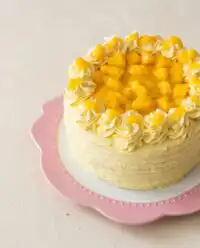
Mango Ombre Cake
- Total Time: 1 hour 25 mins
- Yield: 8 servings
- Diet: Vegetarian
Description
This Mango Ombre Cake brings together the natural sweetness of ripe fruit with a soft, forgiving crumb. It is the perfect home-baked dessert for a quiet Sunday afternoon spent with family.
Ingredients
- 3/4 cup milk
- 1/3 cup vegetable oil
- 1/2 teaspoon vanilla extract
- 1 egg
- 1 tablespoon white vinegar
- 1/2 cup mango puree
- 1 3/4 cup all-purpose flour
- 1 teaspoon baking soda
- 1/2 teaspoon salt
- 3/4 cup sugar
- 2 cups heavy cream
- 1/4 cup mango puree
- 2 ripe mangoes, cubed
Instructions
- Preheat and Prep: Preheat your oven to 350°F (180°C) and line two 6-inch pans with parchment paper.
- Whisk Wet Ingredients: To a large bowl, add the milk, vegetable oil, egg, vanilla extract, vinegar, and 1/2 cup mango puree. Whisk well to combine.
- Combine Dry Ingredients: In another bowl, sift the flour, baking soda, and salt. Add the sugar and whisk to combine.
- Mix Batter: Add the wet ingredients to the dry ingredients and whisk until the batter is completely smooth. Divide the batter evenly into the 2 prepared pans and transfer to the oven.
- Bake Layers: Bake for 20-25 minutes or until an inserted toothpick comes out clean. Set the pans aside on the counter to cool for 10 minutes.
- Cool Completely: Remove the cakes from the pans and place them on a wire rack to cool completely.
- Whip Mango Cream: Pour the cold heavy cream into a bowl and beat using a hand mixer until light and fluffy with stiff peaks. Add 1/4 cup of mango puree and fold it in gently until incorporated.
- Level Cakes: Cut the rounded tops off the cakes using a serrated knife so that they are completely flat and leveled.
- Assemble Cake: Place one of the cake layers on a plate. Add a layer of the mango cream, about 1 to 1 1/2 cups, on top of the first cake. Spread to the edges and smooth. Place the second cake layer on top, cut-side down.
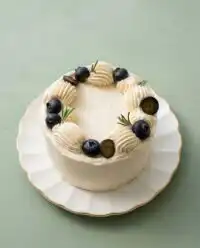
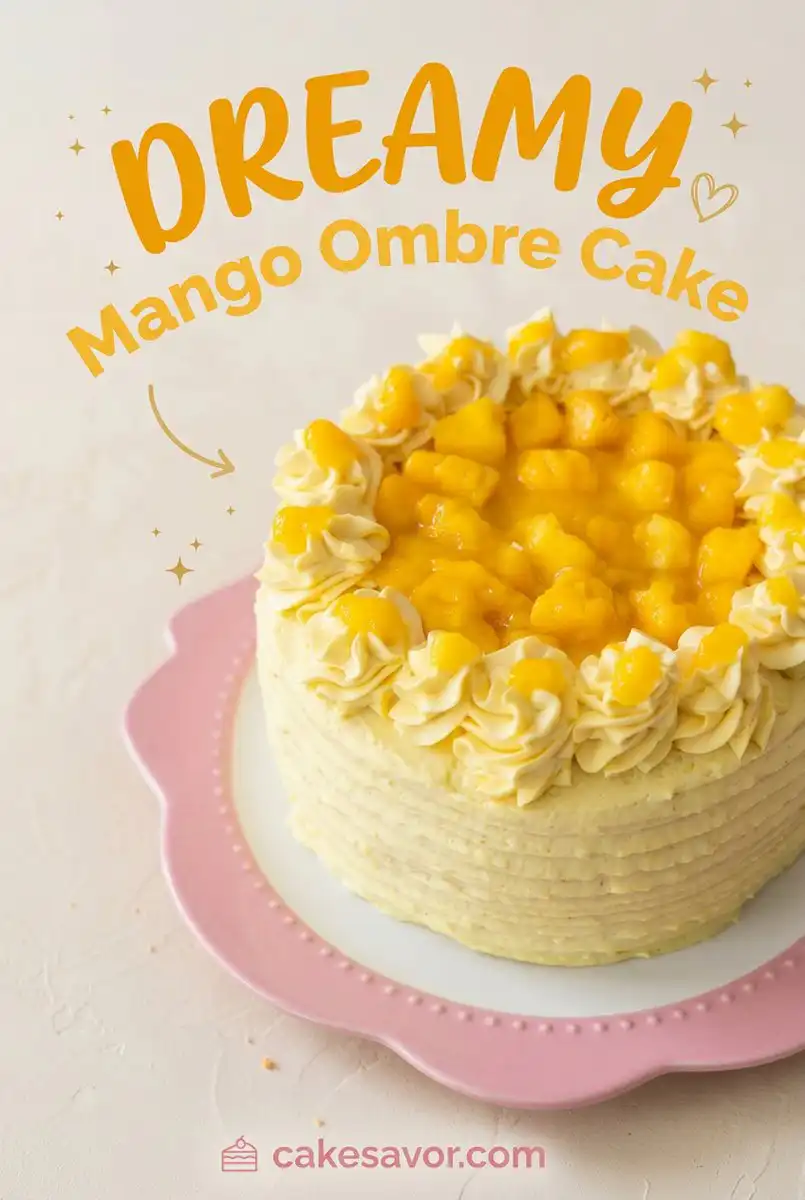
- Decorate and Chill: Add more cream to the sides and top of the cake, smoothing with a spatula. Add the remaining cream to a piping bag with a star tip, pipe a border around the top edge, and fill the center with cubed fresh mangoes. Transfer to the fridge to chill for 4 to 8 hours before serving.
Notes
- Keep your heavy cream and mixing bowl cold before whipping to ensure a light, fluffy frosting.
- Avoid overmixing the cake batter to keep the crumb tender and prevent the layers from turning out dense.
- This cake tastes even better the next day once the flavors have had time to meld together in the refrigerator.
- Prep Time: 45 mins
- Cook Time: 40 mins
- Category: Dessert
- Method: Baking
- Cuisine: Southern
Pantry Basics
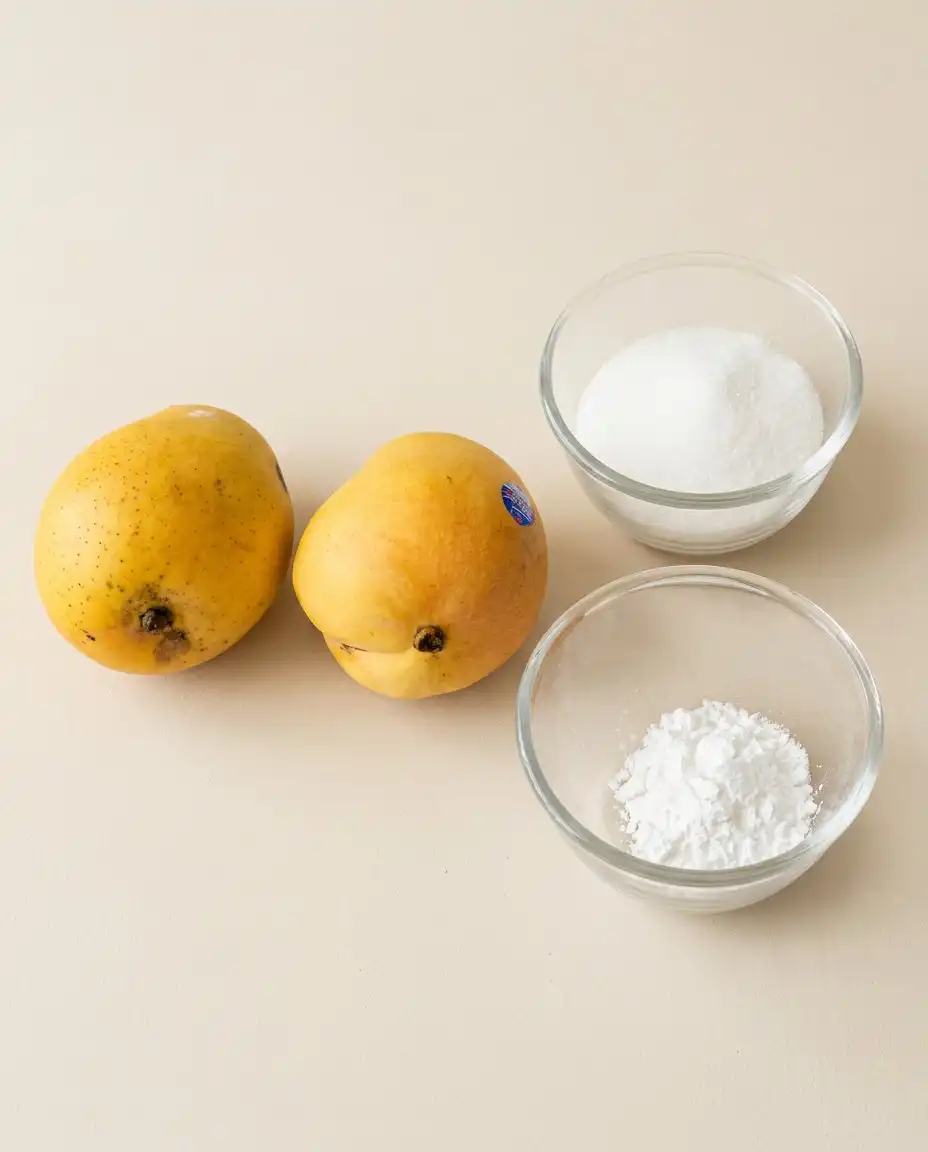
Baking a beautiful cake does not require a trip to a specialty grocery store. We rely on honest, simple ingredients that you likely already have sitting on your kitchen shelves. Each element works together to build a tender crumb and a naturally sweet fruit cream.
- Fresh Mango Puree: This provides the deep, tropical flavor and the beautiful golden hue for our layers. Using real fruit instead of artificial flavorings makes a massive difference in the final taste of the crumb. You can make this easily by blending the flesh of ripe mangoes until it is completely smooth and velvety.
- Vegetable Oil: Unlike heavy butter cakes, oil keeps these layers incredibly soft and moist even after cooling in the refrigerator. It ensures a light texture that pairs beautifully with fresh cream. This simple fat is highly forgiving and keeps the cake from drying out over time.
- White Vinegar: A splash of vinegar reacts with the baking soda to help the cake rise evenly without a stand mixer. You will not taste it at all in the finished bake, but it is the secret to a light, tender crumb. It is a classic southern baking trick that has worked for generations.
- Heavy Whipping Cream: This forms the base of our simple frosting, whipping up light and fluffy in just a few minutes. It carries the mango flavor beautifully without being overly sweet or heavy on the tongue. Be sure to keep it cold until you are ready to pour it into your mixing bowl.
- Ripe Fresh Mangoes: Slicing fresh fruit for the top adds a wonderful texture and a bright, clean look to the presentation. It shows your guests that the cake is filled with real, honest fruit rather than artificial syrups. Look for fruit that yields slightly to gentle pressure at the stem end.
- All-Purpose Flour: This humble flour is the backbone of our cake, providing just enough structure to hold the fruit cream. There is no need for specialty cake flour here, as standard kitchen flour keeps things simple and reliable. Sifting it carefully ensures your layers rise evenly in the oven.
- Granulated Sugar: This sweetens the cake layers just enough to balance the natural tang of the fresh fruit. It also helps to keep the crumb tender by locking in moisture during the baking process. It is a simple pantry staple that does its job quietly and perfectly.
- Baking Soda: This is our sole leavening agent, working alongside the vinegar to lift the heavy batter. It creates tiny bubbles that make the cake light and airy instead of dense. Always check that your box is fresh for the best rise.
| Ingredient | Why It Matters |
|---|---|
| Mango Puree | Adds natural sweetness, bright golden color, and real tropical flavor to the batter and cream layers. |
| Vegetable Oil | Keeps the cake layers soft, tender, and moist for days without drying out in the fridge. |
| White Vinegar | Reacts with baking soda to create a light, airy rise in the oven without fancy equipment. |
| Heavy Cream | Whipped to soft peaks to hold the fresh mango layers together beautifully and add richness. |
| Fresh Mangoes | Provides a beautiful texture and clean look when piled high on the top of the cake. |
From Bowl to Pan
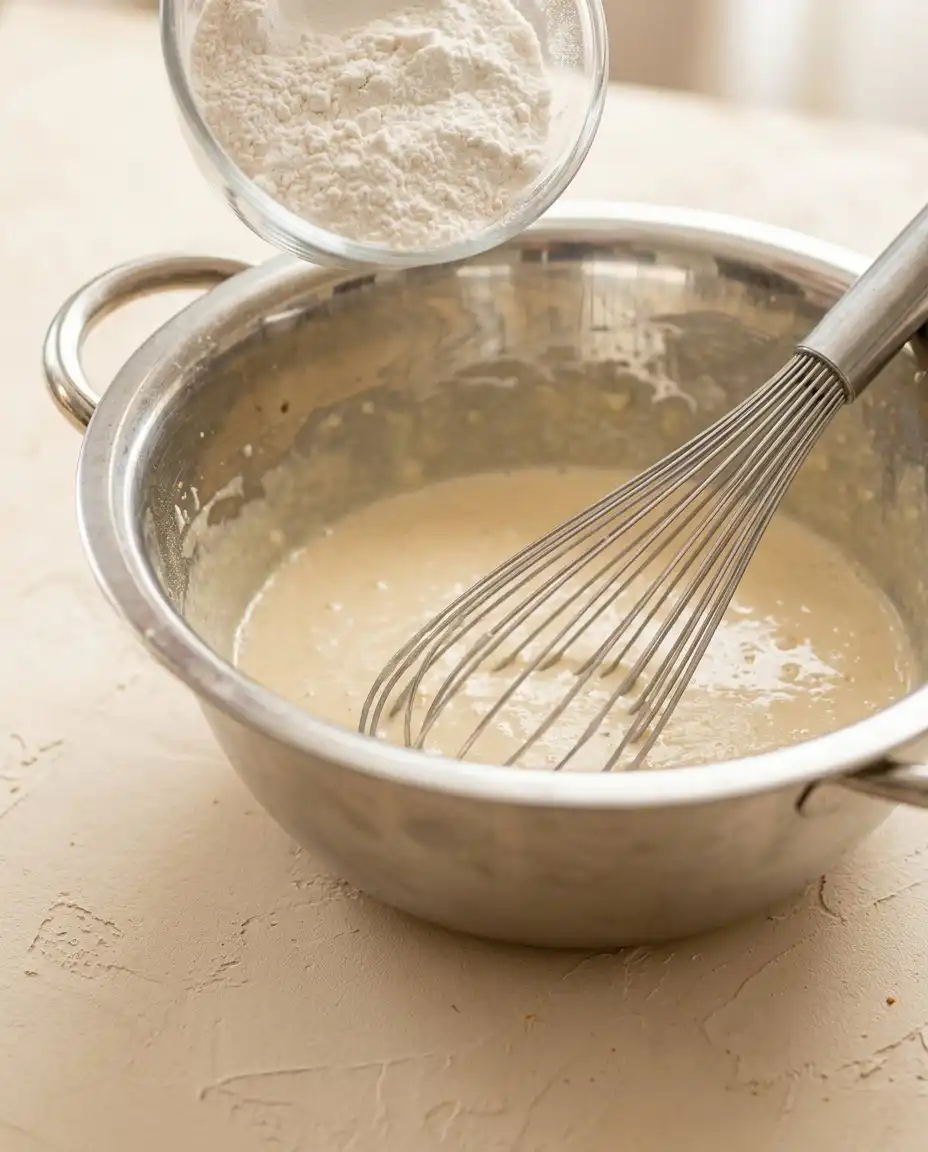
Step 1: Prep Your Kitchen and Pans
Preheat your oven to 350°F (180°C) and line two six-inch cake pans with parchment paper. Take a moment to rub a little oil along the sides of the pans so the cakes release easily later. You want your kitchen to feel warm and ready before you begin mixing your ingredients. Having everything prepared beforehand makes the baking process feel calm and unhurried.
Step 2: Whisk the Wet Ingredients
In a large mixing bowl, combine the milk, vegetable oil, egg, vanilla extract, white vinegar, and half a cup of smooth mango puree. Use a sturdy wooden spoon or a simple hand whisk to stir everything together until the liquid is uniform. The mixture should look smooth, pale orange, and completely combined without any separation. Taking your time here ensures the wet ingredients blend perfectly before meeting the dry flour.
Step 3: Combine the Dry Ingredients
In a separate bowl, sift together your all-purpose flour, baking soda, and salt to remove any stubborn lumps. Whisk in the granulated sugar until the dry mixture is completely uniform throughout the bowl. Sifting is a simple step that ensures the baking soda is evenly distributed, which prevents any bitter pockets in your finished cake. It also aerates the flour, helping to create that coveted tender crumb.
Step 4: Mix the Batter Smooth
Pour the wet ingredients directly into the bowl with the dry ingredients. Whisk gently by hand until the batter is smooth and no pockets of dry flour remain visible. The batter will look thick, glossy, and smell wonderfully of sweet mango and warm vanilla. Be careful not to overmix, as a gentle touch keeps the cake light and airy.
Step 5: Bake the Cake Layers
Divide the golden batter evenly between your two prepared six-inch pans. Place them carefully in the center of your preheated oven and bake for 20 to 25 minutes. You will know they are done when the edges pull away slightly and a wooden toothpick inserted in the center comes out clean. The kitchen will fill with a warm, sweet aroma that brings everyone to the table.
Step 6: Cool the Cakes Gently
Set the hot pans on a wire rack or a clean kitchen towel on your counter. Let them rest undisturbed for ten minutes so the delicate structure settles before you try to turn them out. Gently slide a butter knife around the edges, turn the cakes out, and peel off the parchment paper. Let them cool completely on the wire rack before you start frosting.
Step 7: Prepare the Mango Whipped Cream
While the cakes are cooling, pour the cold heavy cream into a chilled mixing bowl. Use a simple hand mixer to beat the cream until it forms stiff, fluffy peaks that hold their shape. Gently fold in a quarter cup of mango puree with a spatula until the color is a soft, pastel orange. Taste the cream and add a little more puree if you prefer a stronger fruit flavor.
Step 8: Assemble the Mango Ombre Cake Layers
Use a long serrated knife to slice the rounded tops off your cooled cakes so they sit perfectly flat. Place the first layer on your serving plate and spread about one to one and a half cups of mango cream evenly over the top. Place the second layer cut-side down on top of the cream to keep crumbs out of your frosting. Press down very gently to secure the layers without squeezing the cream out.
Step 9: Frost and Decorate the Outside
Spread the remaining mango cream over the top and sides of the cake, smoothing it gently with a cake spatula. Put any leftover cream into a piping bag with a star tip and pipe a neat border of stars around the top edge. Fill the center of the star border with sweet, cubed fresh mangoes for a beautiful presentation. This simple design looks wonderful and shows off the fresh ingredients inside.
Step 10: Chill and Let the Flavors Meld
Place the finished cake in the refrigerator to chill for at least four to eight hours before slicing. This resting time allows the cream to set and the cake layers to absorb the sweet moisture from the fruit. When you slice into it, the layers will hold together beautifully and look incredibly neat. It is a wonderful feeling to present this cake to your family after a quiet afternoon of baking.
Plain-Kitchen Notes
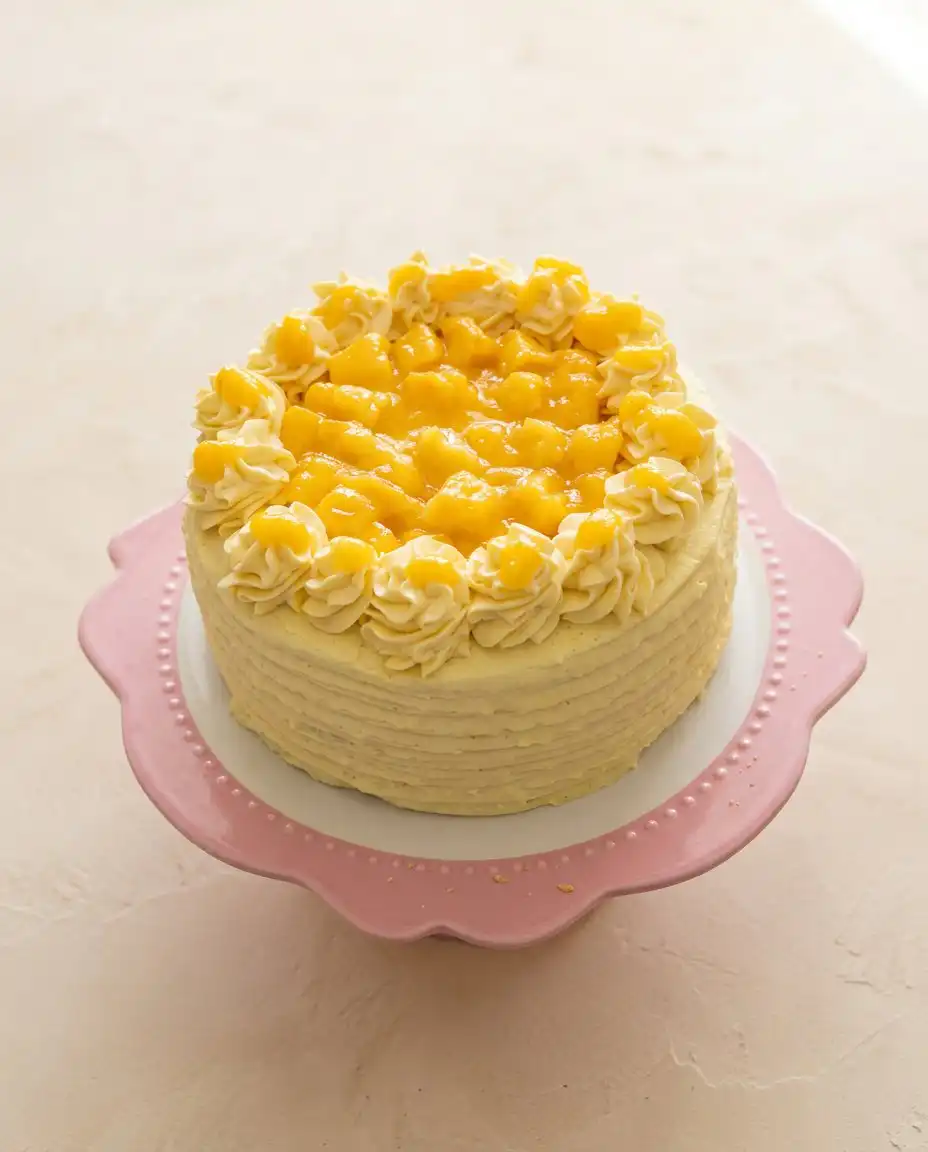
Always use cold heavy cream and a chilled bowl when whipping your frosting. If the cream is too warm, it will not trap the air properly and will turn into a runny mess instead of fluffy peaks. Pop your bowl and beaters in the freezer for ten minutes before you start for the best results. This simple step makes a world of difference in how your frosting holds up.
If your cake layers turn out too dense, here is why and how to fix it. This usually happens when the batter is overmixed, which develops too much gluten and makes the crumb heavy. To fix this next time, fold the wet and dry ingredients together gently with a wooden spoon until just combined. Stop mixing the very moment the dry flour disappears into the batter.
For a beautiful presentation, try using a variety of mangoes like Ataulfo or Kent. These varieties have a smooth, fiber-free texture that melts in your mouth and purees beautifully. You can read more about fruit bakes in our mango upside down cake story for more inspiration. Using the right fruit ensures your cake tastes as good as it looks.
To get clean, beautiful slices when serving, dip your sharp knife in hot water and wipe it clean with a kitchen towel between every single cut. This keeps the mango cream from smudging and keeps the layers looking sharp and distinct on the plate. It takes a little extra time, but the beautiful presentation is well worth the effort. Your guests will appreciate the neat, professional-looking slices.
Make sure your cake layers are completely cold before you even think about adding the whipped cream. If the cake is even slightly warm, it will melt the fat in the cream, causing your beautiful frosting to slide right off the sides. Patience is your best friend when it comes to assembling a layered dessert. Let the cakes sit on the counter for at least an hour to be safe.
If you want to learn more about basic techniques, you can see how to make a simple mango cake to understand how different flours affect the rise. Keeping your ingredients at room temperature, except for the heavy cream, is a reliable rule for any Southern baker. It allows the batter to emulsify smoothly without curdling. This simple practice keeps your baking reliable and stress-free.
When pureeing your mangoes, make sure to blend them thoroughly until there are no stringy fibers left. If your puree seems a bit fibrous, press it through a fine-mesh sieve with the back of a spoon. This extra step ensures your cake batter and whipped cream have a silky-smooth texture. It is these little details that make a simple home-baked cake feel truly special.
Frequently Asked Questions
What is an ombré mango cake?
An ombré mango cake is a dessert that features a beautiful gradient of color, typically transitioning from a deep golden yellow to a pale cream. In this recipe, we achieve this natural gradient by mixing different amounts of fresh mango puree into our whipped cream layers. It creates a stunning visual effect without using artificial food dyes or complicated techniques. It is a wonderful way to show off the natural beauty of the fruit.
How do you achieve the ombré effect on a cake?
You can achieve this effect by dividing your whipped cream frosting into separate bowls and adding varying amounts of mango puree to each. For a simple home style version, we fold a light amount of puree into the main frosting and layer it with bright yellow fresh mango cubes in the center. This creates a natural color contrast that is easy and beautiful without requiring professional decorating skills. It keeps the process simple and stress-free for home bakers.
Does a mango ombré cake taste like real mango?
Yes, this cake tastes intensely of real mango because we use fresh puree in both the batter and the cream. The top of the cake is also piled high with fresh, juicy cubed mangoes that provide a burst of flavor. There are no artificial extracts used, so the flavor is clean, bright, and naturally sweet. It is the perfect dessert for anyone who loves the taste of fresh tropical fruit.
What frosting pairs best with a mango cake?
A light, stabilized whipped cream is the best pairing because it does not overpower the delicate flavor of the fruit. Cream cheese frosting can also work, but it tends to be a bit heavy and sweet for a fresh summer cake. Our simple mango-infused whipped cream keeps the cake light and refreshing. It complements the tender crumb of the cake layers beautifully without being cloying.
How do I prevent my mango cake from turning out dense?
To keep your cake light, make sure you measure your flour accurately by spooning it into the cup and leveling it off. Also, avoid overmixing the batter once you combine the wet and dry ingredients. Whisking until the flour disappears will keep the crumb soft and tender. Finally, ensure your baking soda is fresh so it provides a proper rise in the oven.
Can I use canned mango pulp instead of fresh mangoes?
Yes, canned mango pulp works beautifully for the cake batter and the whipped cream when fresh mangoes are out of season. Just make sure to buy unsweetened pulp so your cake does not turn out overly sweet. You will still want fresh mangoes for the topping to get that perfect texture and visual appeal. It is a highly adaptable recipe that works year-round.
How do you keep a mango cake moist?
The vegetable oil in our batter is the key to keeping this cake incredibly moist for days. Additionally, letting the assembled cake rest in the refrigerator allows the layers to absorb moisture from the cream. It actually tastes even better the next day as the flavors meld together. Keeping it covered in the fridge also prevents it from drying out.
Does a mango ombré cake need to be refrigerated?
Yes, because the frosting is made with real heavy cream and fresh fruit, the cake must be kept in the refrigerator. Keep it covered under a cake dome or in an airtight container to prevent it from absorbing other fridge odors. Take it out about fifteen minutes before serving to let the flavors warm up slightly. This ensures the cake is both safe to eat and delicious.
Simple Twists
You can easily bring a toasted tropical flavor to this recipe by folding half a cup of sweetened shredded coconut into the batter. Sprinkle extra toasted coconut around the outside of the frosted cake for a beautiful texture and flavor. This pairs wonderfully with other summer bakes, like the ones in our watermelon pineapple tropical fruit cake story.
The coconut adds a pleasant chew that contrasts beautifully with the soft cake layers. It also gives the cake a lovely, rustic appearance that looks wonderful on any serving platter. It is a simple way to change up the flavor profile without needing any extra equipment.
For a bright, zesty contrast, grate the zest of one fresh lime into the dry ingredients before mixing. You can also add a squeeze of fresh lime juice to the whipped cream to balance the sweetness of the ripe mangoes. This simple twist cuts through the richness of the heavy cream beautifully and adds a refreshing note.
The lime juice also helps to stabilize the whipped cream slightly, keeping it firm for longer. It is a wonderful variation to try during the hot summer months when you want something extra refreshing. Your family will love the bright pop of citrus flavor in every bite.
Add half a teaspoon of ground cardamom to the flour mixture for a warm, aromatic spice note. Cardamom is a traditional partner for mango and adds a sophisticated depth to this simple cake. It makes the kitchen smell truly wonderful while the layers are baking in the oven.
This spiced version is particularly comforting during the cooler autumn months when you want a touch of warmth. It pairs beautifully with a hot cup of black tea on a quiet afternoon. It is a simple change that makes the recipe feel entirely new.
At the Kitchen Table
This beautiful cake is best enjoyed on a quiet Sunday afternoon surrounded by family. Slice it directly at the kitchen table and serve it alongside a pot of hot black tea or fresh chicory coffee. The slight bitterness of the hot beverage balances the natural tropical sweetness of the mango layers perfectly.
If you are hosting a summer gathering, this dessert makes a wonderful centerpiece alongside other seasonal treats like our peach cobbler sheet cake story. Keep the cake chilled until right before you are ready to serve to ensure the cream stays firm and refreshing. A simple linen kitchen towel draped over the cake stand until serving time adds a lovely, rustic touch to your table.
For an extra special touch, you can serve each slice with a small scoop of vanilla bean ice cream or a dollop of extra whipped cream. A few fresh mint leaves placed on the side of the plate add a beautiful pop of color and a fresh aroma. It is a simple way to make your guests feel pampered and welcome in your home.
Keep This One Close
There is something truly special about a cake that relies on honest ingredients and simple methods. This mango cake is sure to become a favorite in your household, surviving moves and decades just like the classics. If you love simple fruit desserts, you might also enjoy reading our vanilla pound cake story for another timeless kitchen classic.
We hope you gather your loved ones around the table to share a slice of this comforting dessert soon. Be sure to follow us on Pinterest and Facebook for more reliable, old-fashioned recipes. You can also join our community on Telegram or watch our quick tutorials on TikTok to see how we bake in our own home kitchen.
Baking does not have to be complicated to bring joy and comfort to your home. With just a single mixing bowl and a wooden spoon, you can create something beautiful that everyone will remember. Keep this recipe close on your handwritten index card for the next time you want to share some sweet comfort.