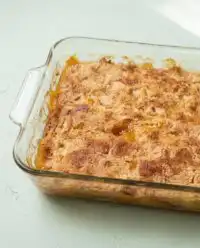
There is a quiet comfort in knowing that the simplest cakes on our kitchen tables are often the ones that treat us best.

When you need a dessert that feels familiar yet brings something fresh to the afternoon table, this Mango Upside Down Cake is exactly what you should bake. It takes the classic pattern of caramelized fruit upside down on a tender crumb and gives it a warm tropical spin. You do not need any fancy tools or chef-level skills to make this turn out beautifully on your first try. It is a humble cake that is meant for slicing and sharing with the people you love.
Why This Mango Upside Down Cake Has Stayed in the Family
Prep: 20 min · Serves: 8 · Difficulty: Easy
- Rich caramel and sweet tropical fruit combine.
- Standard pantry ingredients you already own.
- No fancy mixing tools are required.
- Warm buttery cake with a soft crumb.
- The slice tastes even better tomorrow morning.
This sweet cake will become a new tradition in your kitchen.
Baking a fruit cake this way brings back memories of simpler days in the kitchen. When you want that classic upside-down texture but with a different fruit, this recipe is a lovely alternative to a peach upside down cake recipe. The mangoes soften beautifully under the oven’s heat, soaking deep into the batter while it bakes. It creates a rustic, jammy topping that looks like a stained-glass window when flipped.
It is the kind of cake that waits quietly on your counter under a glass dome. Neighbors who drop by for a chat will always accept a small slice when they smell the warm butter. You do not need to wait for a special holiday to share this simple comfort. It fits beautifully into a quiet Sunday afternoon when the radio is playing low in the background.
Our reliable dessert is easy to put together when you have a few ripe fruits on hand. The caramelized sugar creates a sticky glaze that keeps the cake moist for days. You will love how the sweet juices run into the rich cake layer. Every bite offers a comforting balance of deep caramel flavor and soft, buttery cake.
Many families have their own cherished baking traditions that they pass down through generations. This particular recipe has been a favorite in our family because it combines familiar comfort with a bright fruit topping. It is simple to make and always brings a smile to those sitting around the kitchen table. You do not need any modern equipment or chef-level expertise to make it.
The beauty of this baking style lies in how forgiving and welcoming it is for new bakers. If your fruit slices are not cut exactly even, the caramelized sugar will cover any small mistakes. It is a reliable cake made with plain ingredients, real comfort. You will find yourself returning to this recipe whenever mangoes are in season.
Get The Full Cake Recipe
Print
Mango Upside Down Cake
- Total Time: 1 hour
- Yield: 8 servings
Description
This Mango Upside Down Cake features a tender, buttery crumb topped with caramelized tropical fruit. It is a simple yet elegant dessert perfect for quiet afternoons and sharing with loved ones.
Ingredients
- Fresh mangoes
- Unsalted butter
- Powdered sugar
- All-purpose flour
- Baking powder
- Whole milk
- Vanilla essence
- White sugar
- Water
- Salt
Instructions
- Caramelize the sugar. Cook white sugar and water in a saucepan over low heat for 12 to 15 minutes without stirring until a deep amber syrup forms.
- Prepare the pan. Pour the caramel into an eight-inch square baking pan and arrange fresh mango slices in a single, tight layer on top.
- Beat the butter. In a large bowl, beat room temperature unsalted butter with a heavy spoon for one minute until pale and creamy.
- Cream sugar and eggs. Add powdered sugar and beat until fluffy, then incorporate room temperature eggs one at a time, mixing well after each.
- Sift dry ingredients. Sift the flour, baking powder, and a pinch of salt directly into the creamed mixture to ensure even distribution.
- Combine the batter. Stir in the milk and vanilla until smooth, then pour the batter over the prepared mangoes, spreading it evenly to the corners.
- Bake until golden. Bake at 350°F for 35 to 40 minutes until a toothpick inserted into the center comes out clean.
- Loosen and flip. Run a knife around the edges, invert onto a serving plate carefully, and allow the cake to cool fully before slicing.
Notes
- Use mangoes that are firm to the touch to ensure they hold their shape during the baking process.
- Allow the caramel to cool slightly in the pan for two minutes before layering the fruit to prevent sogginess.
- Ensure all ingredients, especially eggs and butter, are at room temperature to achieve a smooth, stable batter.
- Avoid opening the oven door during the first 30 minutes of baking to prevent the cake from sinking in the center.
- Measure your flour by spooning it into the cup rather than scooping directly from the bag to keep the crumb light.
- Prep Time: 20 mins
- Cook Time: 40 mins
- Category: Dessert
- Method: Baking
- Cuisine: Tropical
Pantry Basics

Gathering the ingredients for this dessert is as simple as opening your kitchen cupboards. You do not need to make a special trip to a gourmet grocery store for fancy additions. These basic items come together to create a cake that is far greater than the sum of its parts.
- Fresh Mangoes: Slice these sweet fruits evenly to create a beautiful, jammy pattern at the very bottom of your baking pan. They should be firm enough to hold their shape under heat without turning into mush. The natural sugars in the fruit meld with the caramel glaze to form a rich topping.
- Unsalted Butter: Using room temperature butter helps you achieve a soft, light texture when beating it with the sweet sugar. It forms the rich foundation of our humble cake and keeps the crumb soft. Be sure to let it sit on the kitchen counter until it is completely soft to the touch.
- Powdered Sugar: This fine ingredient dissolves easily into the butter to create a batter that is incredibly smooth and light. It helps avoid a heavy texture in the crumb, ensuring a clean rise in the oven. Using powdered sugar instead of granulated sugar in the batter is an old family secret.
- All-Purpose Flour: The honest foundation of our cake provides a sturdy yet wonderfully tender structure for the heavy fruit. Always measure it carefully with a spoon rather than scooping directly from the bag. This prevents the cake from becoming dry or dense after baking.
- Baking Powder: Giving the batter its gentle rise, this leavening agent ensures the cake does not turn out too heavy or dense. It is vital for a light bake that rises evenly around the fruit. Check your baking powder to ensure it is fresh before starting.
- Whole Milk: Adding a small splash of milk brings moisture and richness to the batter, binding our dry ingredients together beautifully. It keeps the crumb soft and prevents the cake from drying out. A little splash goes a long way in creating a smooth batter.
- Vanilla Essence: A tiny splash of this sweet extract rounds out the tropical fruit notes with a warm, comforting aroma. It smells like home as it bakes and fills your kitchen with a cozy scent. A single teaspoon is all you need to bring out the butter flavors.
| Ingredient | Why It Matters |
|---|---|
| Fresh Mangoes | Creates the sweet, caramelized fruit layer on top of the cake |
| Unsalted Butter | Delivers a rich, traditional flavor and tender crumb structure |
| Powdered Sugar | Keeps the cake batter light and highly smooth during mixing |
| All-Purpose Flour | Provides the honest structure to support the heavy fruit pieces |
| Baking Powder | Helps the cake rise evenly around the heavy mango slices |
From Bowl to Pan
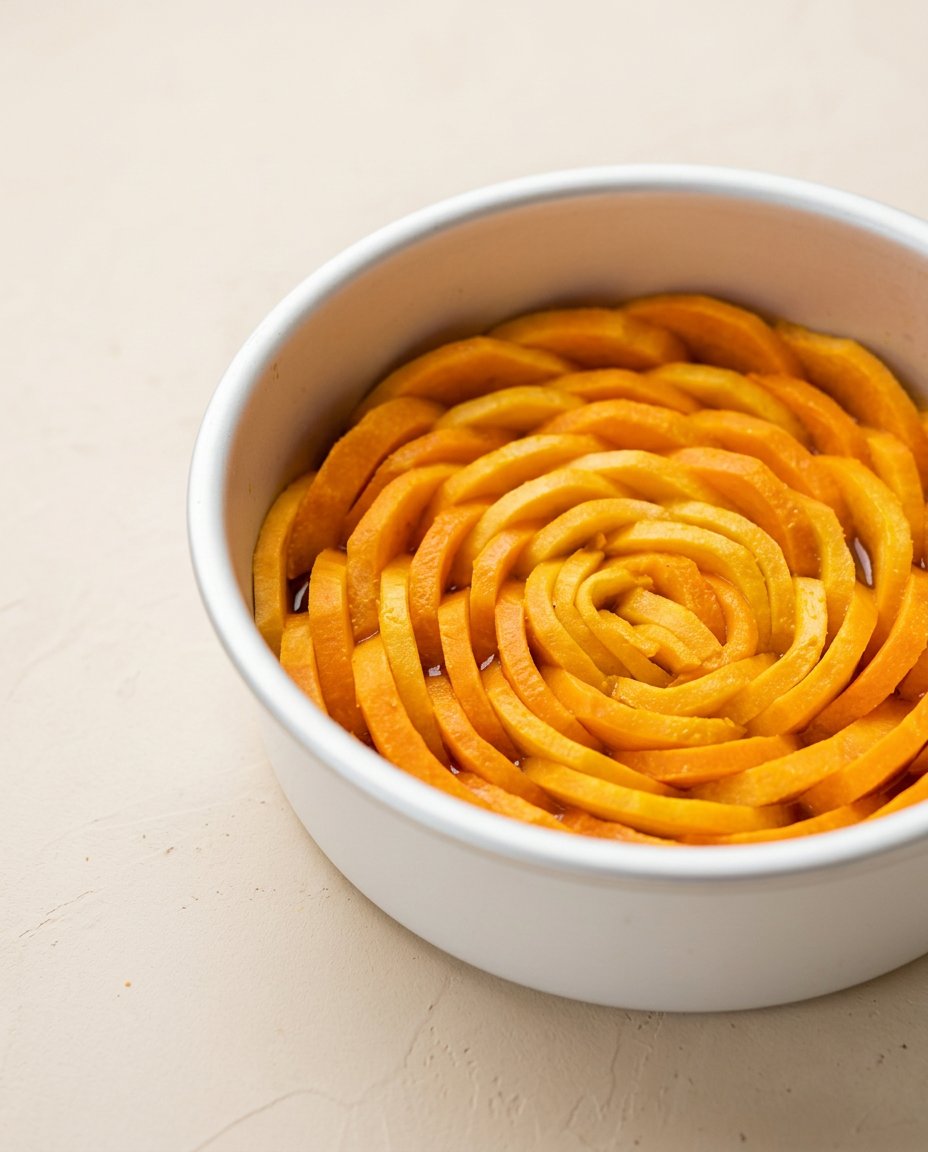
Step 1: Caramelize the Sugar
Place your saucepan over a very low flame and combine the white sugar with two tablespoons of plain water. Cook this mixture gently for twelve to fifteen minutes without stirring, letting the sugar slowly melt into a rich, deep amber syrup. You will smell the sweet, warm aroma of caramel as the sugar bubbles and darkens. Watch it closely near the end so it does not burn on the stove, as caramel can turn bitter quickly if left unattended.
Step 2: Prepare the Pan
Pour the warm caramelized sugar immediately into your standard eight-inch square baking pan, letting it coat the bottom evenly. Carefully arrange your fresh mango slices in a single layer on top of the sticky caramel, laying them close together. The fruit will look bright and glossy against the dark, sweet caramel layer. Set the pan aside in a safe spot so the sugar can cool and set before adding the batter.
Step 3: Beat the Softened Butter
Grab a large mixing bowl and add your room temperature unsalted butter. Beat the butter with a heavy spoon for a full minute until it looks creamy and pale yellow. You want it to be completely smooth with no cold lumps remaining in the bowl. This simple step lays the foundation for a cake with a wonderfully tender crumb, so take your time and do not rush the process.
Step 4: Cream the Sugar and Eggs
Measure your powdered sugar into the bowl and beat it into the butter until the mixture is light and fluffy. Add your room temperature eggs one at a time, beating thoroughly after each addition to combine them fully. The mixture should look pale, smooth, and slightly expanded in volume. If the batter looks curdled, your eggs were likely too cold, but keep stirring and it will come together naturally.
Step 5: Sift the Dry Ingredients
Set a basic sifter over your bowl and add the all-purpose flour, baking powder, and a pinch of salt. Sift them directly onto the creamed butter mixture to eliminate any lumps in the dry flour. Sifting makes sure that the rising agents are distributed evenly throughout your cake batter, preventing any uneven pockets. You will see a light, powdery flour blanket covering the sweet creamed butter mixture before you begin to fold them.
Step 6: Pour Your Mango Upside Down Cake Batter
Stir the sifted dry ingredients into the butter mixture while gently pouring in the whole milk and vanilla essence. Mix everything together with a sturdy spoon until the batter is smooth, thick, and completely uniform. Pour the thick cake batter over the prepared mangoes and caramelized sugar in your baking pan. Use the back of your spoon to spread it evenly into all four corners, ensuring the fruit remains undisturbed underneath.
Step 7: Bake Until Golden Brown
Slide the baking pan onto the center rack of your preheated oven at three hundred and fifty degrees. Bake the cake for thirty-five to forty minutes, enjoying the sweet tropical scent that fills your kitchen. The top will turn a beautiful golden brown, and a wooden toothpick inserted into the center will come out clean. Let the pan rest on a wire rack for a few minutes to cool slightly before attempting to flip it.
Step 8: Loosen and Flip the Cake
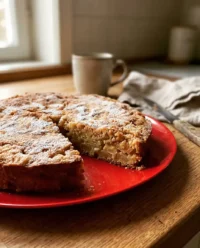
Run a butter knife gently around the inside edges of the baking pan to loosen the warm cake. Place your serving plate upside down over the pan, then carefully flip both over in one smooth, confident motion. Lift the pan slowly to reveal the glistening, caramelized fruit resting beautifully on top of the warm cake. Let the cake cool completely on your counter before slicing, allowing the caramel to set into a delicious glaze.
Plain-Kitchen Notes
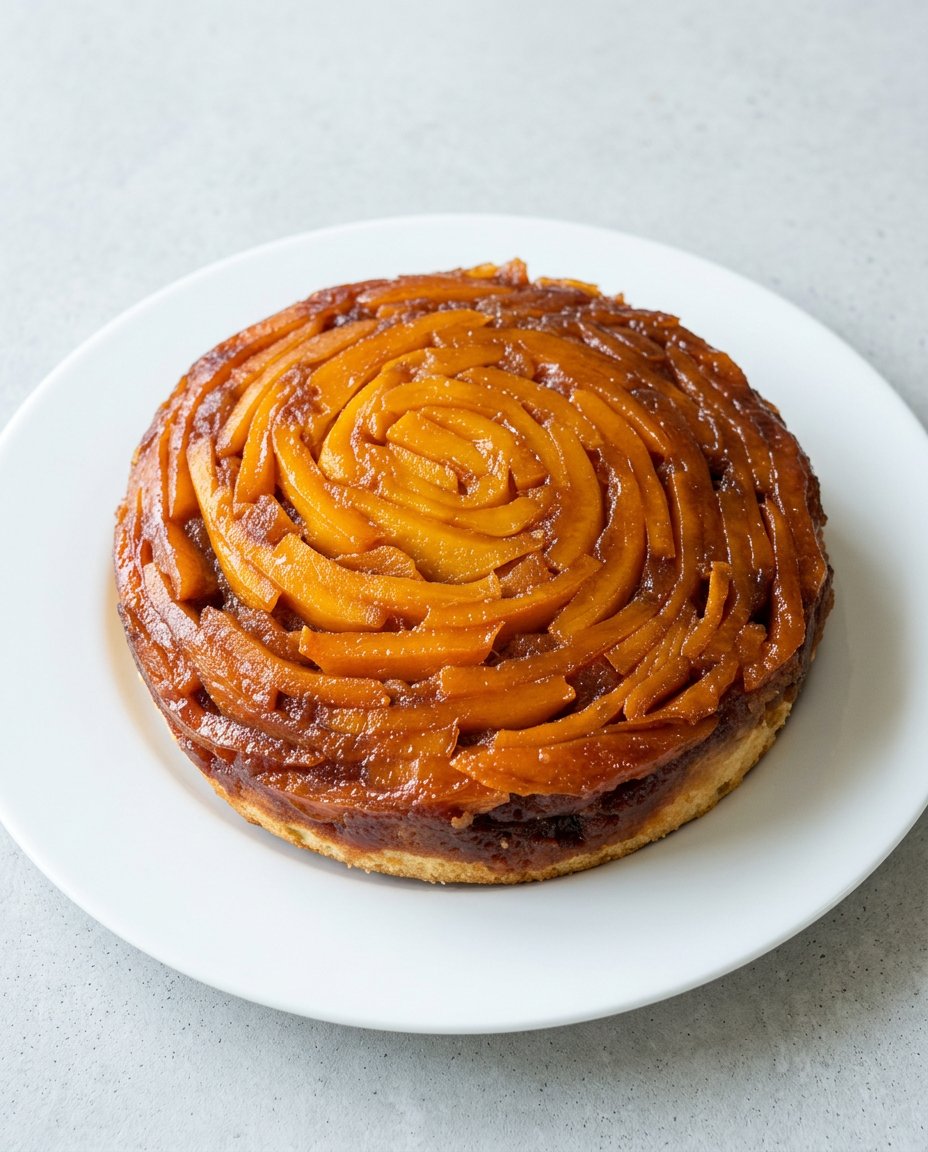
If your cake gets stuck to the bottom of the baking pan when you try to flip it, the sugar likely cooled down too much before you made the turn. To fix this common trouble, place the bottom of the baking pan over a warm stovetop burner for thirty seconds to melt the caramel again. The gentle heat will loosen the sugar instantly and allow the cake to slip out easily onto your serving plate. Always handle the hot pan with thick kitchen towels to keep your hands safe.
Easy preparation starts by setting your ingredients on the counter for an hour before you plan to start baking on a Sunday afternoon. Cold ingredients will cause your creamed butter to seize up, resulting in a dense cake with a heavy crumb. This small step guarantees a smooth, homogeneous batter that rises beautifully.
Choosing the right mangoes is essential for a sweet, caramelized topping that does not turn into mush. Look for fruit that is firm to the touch with just a slight give when pressed gently with your thumb. If you want to learn more about preparing simple tropical cakes, check out our easy mango butter cake story for more inspiration. This helps you understand how different mango varieties behave under heat.
Avoid opening the oven door too frequently during the first thirty minutes of the baking process. Doing this lets cold air rush into the oven chamber, which can cause the center of your cake to sink. Rely on your oven light to check the progress of the bake until the final ten minutes. Keeping a consistent temperature is the secret to an even rise and a beautiful golden top.
When measuring your all-purpose flour, use a spoon to scoop it gently into your measuring cup before leveling it off with a knife. Dipping the measuring cup directly into the flour bag packs the flour tightly, adding too much dry material to your cake. This small change keeps your crumb light and tender every single time you bake. It is a simple habit that makes a massive difference in your baking results.
Let the caramelized sugar cool slightly in the pan before you place your fresh mango slices on top. If the sugar is boiling hot, it will cook the fruit prematurely and make the mangoes release too much liquid. A brief resting time of two minutes guarantees the caramel forms a stable bed for your fruit layer. This prevents the cake from becoming soggy or losing its beautiful pattern.
For a truly smooth caramel, avoid stirring the sugar and water while they cook in the saucepan. Stirring can introduce cool air and cause the sugar to crystallize into hard, sandy lumps. Instead, gently swirl the pan by its handle if you see one side browning faster than the other. This keeps the caramel clear, liquid, and smooth as it melts.
Frequently Asked Questions
How do you flip an upside-down cake without breaking it?
To flip the cake cleanly, wait about five to ten minutes after removing it from the oven so the caramel is still warm but not boiling. Place your serving platter firmly over the top of the pan, grip both sides using thick oven mitts, and turn them over in one swift, confident motion. Leave the pan upside down for a full minute to let the caramel drip down before lifting it.
Should you eat mango upside-down cake warm or cold?
This cake is truly delicious when served warm, as the caramel remains soft and gooey over the fruit. However, letting it sit on the kitchen counter until the next morning allows the tropical flavors to meld together beautifully. It tastes wonderful when served at room temperature alongside a hot cup of black coffee on Sunday.
Can you make mango upside-down cake in a skillet?
Yes, a well-seasoned eight-inch cast-iron skillet is perfect for this type of baking. You can melt your sugar and caramelize it directly in the skillet on your stovetop before arranging the fruit and pouring the batter over the top. Slide the entire skillet straight into the oven to bake just like a traditional cake pan.
What is the best type of mango for upside-down cake?
Choose a firm but ripe mango variety like Tommy Atkins or Kent, which hold their shape well during the baking process. Avoid excessively stringy or overly soft mangoes, as they will release too much juice and make the cake bottom soggy. The ideal mango has a sweet fragrance and yields slightly to gentle pressure.
Can you use canned or frozen mangoes?
While fresh mangoes offer the best texture, you can certainly use frozen mango slices if you thaw them completely first. Be sure to pat the thawed slices very dry with a clean kitchen towel to remove any excess water before placing them in the pan. Avoid canned mangoes if possible, as they are often packed in heavy syrup and will make the cake too sweet.
Does mango upside-down cake turn brown when baked?
The cake batter itself will bake to a beautiful, light golden brown color on the edges and bottom. The mango slices on top will darken slightly and take on a rich, glistening amber hue from the caramelized sugar mixture. This contrast creates a highly appealing rustic appearance when you flip the cake onto a plate.
Can you make this cake eggless?
You can substitute the two large eggs with a half-cup of unsweetened applesauce or plain yogurt to make an eggless version. This substitution keeps the cake exceptionally moist and tender, though it may rise slightly less than the egg-based recipe. Be sure to mix the batter gently to avoid overworking the flour when using these damp substitutes.
What baking pan do you plan to use?
A standard eight-inch square baking pan with a fixed bottom is the ideal choice for this recipe. Avoid using a springform pan, as the liquid caramel will easily leak out of the bottom seams and burn on your oven floor. A solid metal or glass pan holds the sweet caramel syrup neatly where it belongs.
Simple Twists
If you prefer a deeper, more rustic caramel flavor, you can substitute the white sugar in the caramel with dark brown sugar. This brings a rich, molasses-like sweetness that pairs beautifully with the tropical fruit. It is a wonderful alternative that reminds me of our brown sugar peach upside down cake story which family bakers have loved for generations. The brown sugar creates a darker, stickier glaze that tastes wonderful.
Adding a pinch of ground cardamom or cinnamon to your dry flour mixture brings a lovely warmth to the finished cake. These cozy spices complement the natural sweetness of the mangoes without overwhelming the delicate butter flavor of the cake. It is a simple way to make the recipe feel cozy during the cooler autumn months of the year. Your kitchen will smell remarkably comforting while it bakes in the oven.
Grate a teaspoon of fresh lime or orange zest directly into your cake batter before sifting in the dry ingredients. The bright citrus oils cut through the rich sweetness of the caramelized topping and lift the overall flavor of the cake. This is an excellent choice when you are serving the cake during a warm summer evening on the porch. The citrus adds a refreshing brightness that everyone will enjoy.
For a unique preparation technique, you can check out how to make a classic caramel topping in this authentic mango baking preparation. This method shows another honest way to prepare the fruit layer. It is always helpful to see how other family cooks handle their caramel. Learning different ways to melt sugar can make you a more confident baker.
At the Kitchen Table
Serving this cake is all about simplicity and sharing comfortable moments with the people you care about. Cut the cake into neat squares while it is still slightly warm, letting the sweet caramel drizzle down the sides of each piece. This rustic dessert looks beautiful when presented on a plain white platter in the center of your table. If you love these tropical flavors, you might also enjoy reading our classic mango sponge cake recipe story for more baking ideas.
A dollop of unsweetened whipped cream or a small scoop of vanilla ice cream makes a lovely companion to a warm slice. The cold cream melts slowly into the warm caramel layer, creating a rich sauce that balances the tropical sweetness of the fruit. For a simpler afternoon treat, serve the cake completely plain alongside a hot pot of black tea or chicory coffee. The simplicity of the cake shines brightest when served without too much fuss or presentation.
This is the kind of dessert that feels right at home during a casual Sunday lunch or a quiet evening on the back porch. You do not need fancy plates or silver forks to enjoy its comforting, honest flavors. Just wrap a clean kitchen towel around the base of the platter and let everyone help themselves to a slice. It is always a welcoming sight for anyone who drops by your home unexpectedly.
If you have leftovers, they make a wonderful breakfast the next morning when warmed slightly in the oven. This sweet treat tastes even better the next day as the cake absorbs the caramelized juices overnight, making the crumb even softer and more flavorful. Enjoying a small slice with your first cup of coffee is a quiet pleasure that starts the day off beautifully. It is a sweet reminder of yesterday’s kitchen efforts.
For a larger gathering, you can arrange additional fresh mango slices around the base of the serving plate. This adds a fresh, juicy contrast to the rich, baked fruit on top of the cake. It is a lovely way to make the dish look bountiful without requiring any difficult decorating skills. Your guests will appreciate the simple, honest presentation.
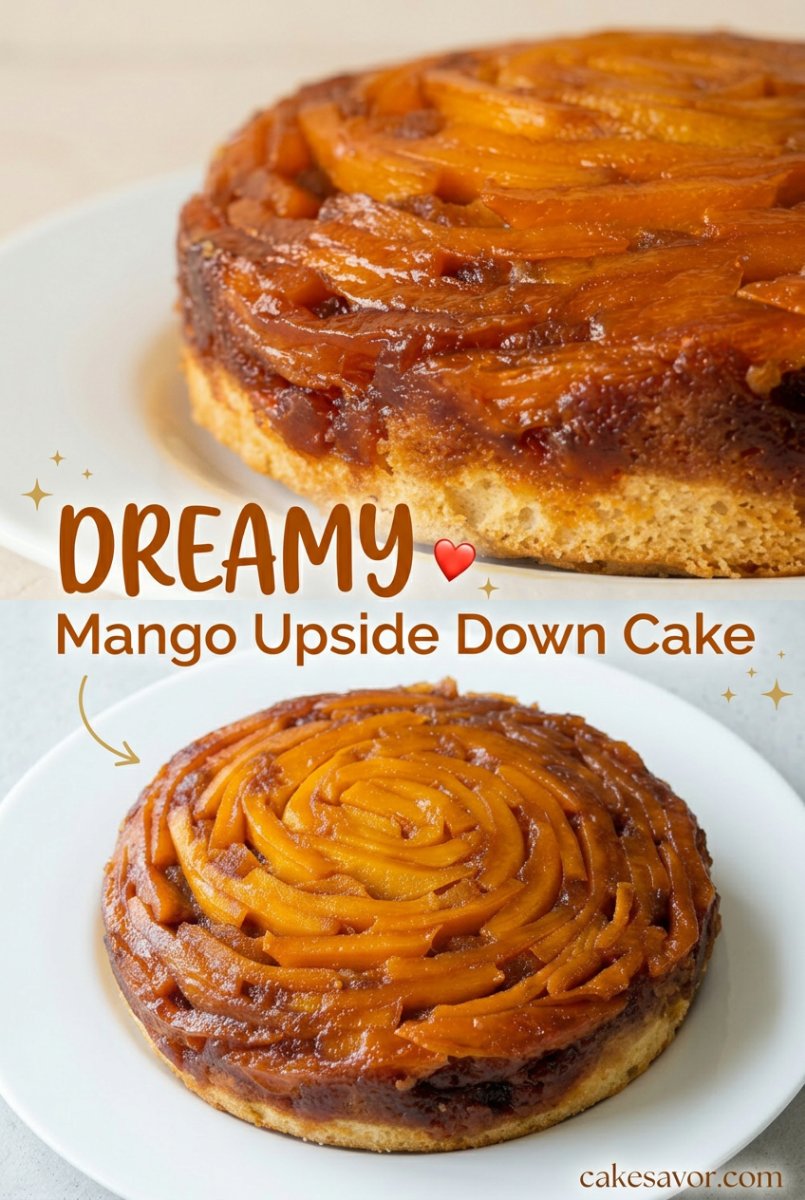
Keep This One Close
There is a special joy in pulling a warm cake out of the oven, knowing it was made with simple ingredients and honest care. This recipe brings a touch of the tropics to our traditional baking methods, showing that comfort food can always surprise us. If you find yourself craving even more fruit-filled desserts, you can read our classic mango mousse cake story for another sweet adventure.
We hope you find a quiet Sunday afternoon to bake this simple treat and share it with those you love. It is the kind of recipe that belongs on a handwritten card, tucked away in a kitchen drawer to be passed down. Once you see how easily it comes together, it will surely become a regular favorite in your home. It brings a bit of sweet sunshine to any table.
Please let us know how your cake turns out by leaving a comment or sharing your baking photos with our community. You can follow us on Pinterest, check out our updates on Facebook, and stay tuned on Telegram for more warm kitchen inspiration. We always love to hear about the sweet memories you create around your kitchen table.
Taking the time to bake from scratch is a beautiful way to show love to your family and friends. It connects us to the bakers who came before us, using the same simple pans and wooden spoons. May your kitchen always be filled with the warm, comforting scents of butter, caramel, and sweet fruit. Keep this recipe close, and let it bring comfort to your home for years to come.